Reimbursement Claim in Health Insurance: Process, Documents and Status
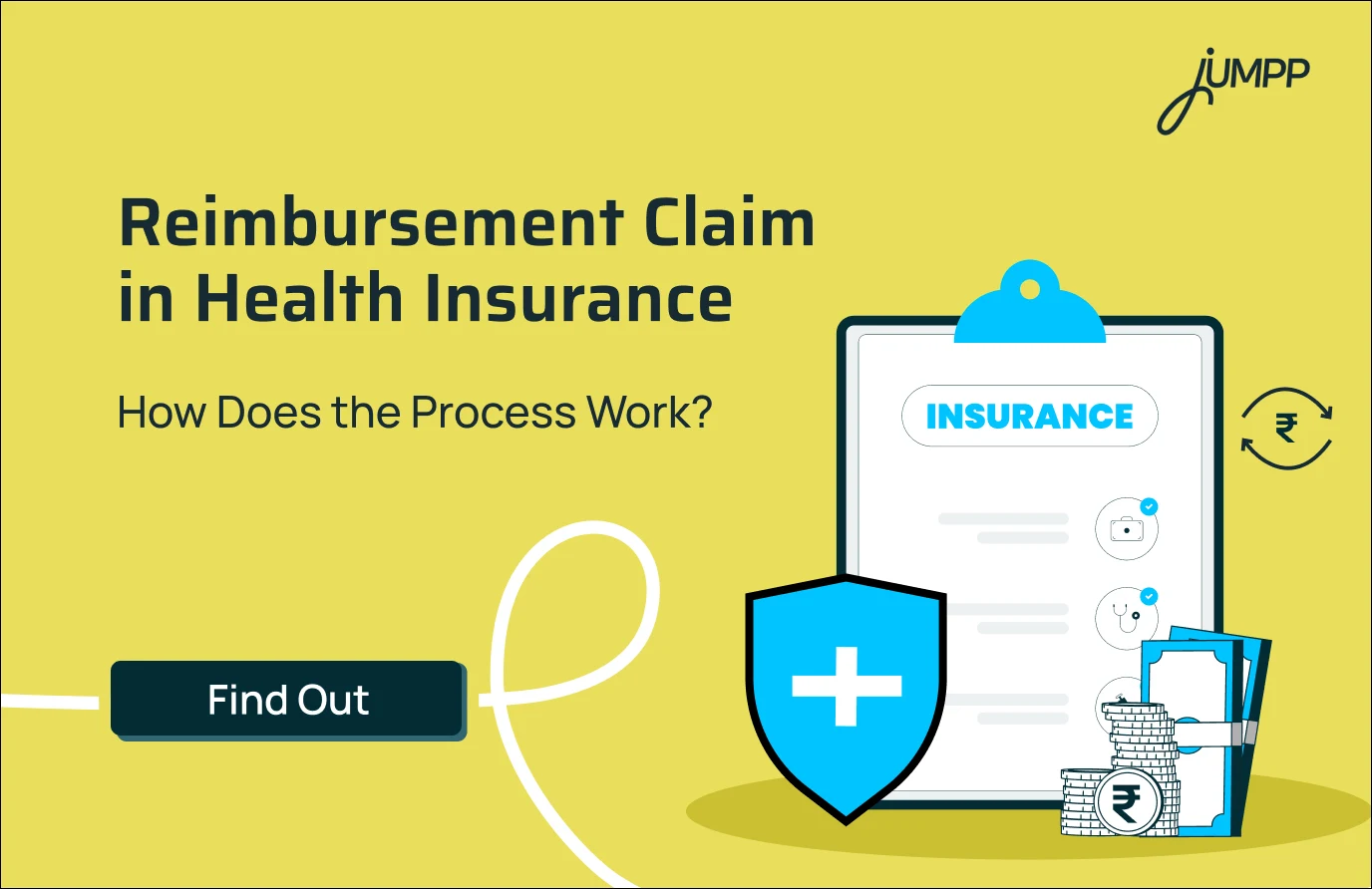
A hospital may not always offer a cashless facility under your health insurance policy. In such cases, you may have to pay the medical bills yourself and later submit them to your insurer for reimbursement.
A reimbursement claim allows you to request repayment of eligible medical expenses after you have paid them from your own pocket. The amount reimbursed depends on your policy coverage, exclusions, limits and other applicable terms.
What Is a Reimbursement Claim in Health Insurance?
A reimbursement claim is a type of health insurance claim where you first pay the hospital or medical expenses yourself and then submit a claim to your insurer to recover the eligible amount.
For example, suppose your eligible hospital bill is ₹90,000, and you pay it yourself. You can submit the required bills, medical records and reimbursement claim form to your insurer. The insurer reviews the claim and reimburses the admissible amount according to your policy terms.
How Does Reimbursement Work?
In a health insurance reimbursement process, you pay the medical expenses first and then submit a claim with the required documents.
Here’s how the process works:
- Get Treatment: Receive treatment at a hospital. Reimbursement claims can generally be used for eligible treatment at network or non-network hospitals, subject to your policy terms.
- Pay the Medical Bills: Pay the hospital and other eligible medical expenses yourself and collect the bills, receipts and medical records.
- Inform the Insurer: Notify your insurer or TPA about the hospitalisation within the timeframe specified in your health insurance policy.
- Submit the Claim: Complete the reimbursement claim form and submit it with the required bills, discharge summary, receipts and other supporting documents through the insurer’s prescribed channel.
- Verification and Reimbursement: The insurer reviews the claim against your policy terms. If approved, the eligible reimbursement amount is transferred to your registered bank account.
What Documents Are Required for a Reimbursement Claim?
The exact reimbursement claim documents required vary by insurer, policy and type of treatment.
Common documents can include:
- Completed and signed claim form
- Hospital discharge summary
- Final hospital bill with detailed breakdown
- Payment receipts
- Doctor’s prescriptions
- Pharmacy bills
- Diagnostic and investigation reports
- Pre-hospitalisation treatment records, where applicable
- Identity and policy details
- Cancelled cheque or bank details
- Other documents requested by the insurer or TPA
Your supplied reference similarly identifies the claim form, hospital bills, receipts, discharge summary, prescriptions, diagnostic reports and banking information as common documentation. RBI/IRDAI-hosted policy documents also show that exact documentation requirements can vary by policy.
Also read: Financial Health Indicators: How to Measure Your Financial Health in 2026
How to Submit a Reimbursement Claim
To submit a reimbursement claim, follow the claim procedure specified in your health insurance policy.
While the exact steps and timelines vary by insurer, the general process is:
- Inform your insurer: Notify the insurer or TPA about the hospitalisation within the applicable timeframe mentioned in your policy.
- Pay and collect the bills: Settle the medical expenses and keep the hospital bills, receipts and relevant medical records.
- Complete the claim form: Fill in the required policyholder, patient, hospitalisation, treatment and claim details.
- Prepare the required documents: Gather the discharge summary, hospital bills, payment receipts, prescriptions, diagnostic reports and any other documents required under your policy.
- Submit the claim: Send the completed claim form and supporting documents through a submission channel accepted by your insurer.
- Keep the acknowledgement: Save the claim reference number or acknowledgement provided after submission.
- Provide additional information if required: The insurer may request additional documents or clarification while reviewing the claim.
- Track the claim status: Check the progress of your claim through the tracking options provided by your insurer.
How to Check Reimbursement Claim Status
After submitting the claim, you can usually track your reimbursement claim status using the facility provided by your insurer.
Depending on the insurer, the status may appear as:
| Claim Status | What It Generally Means |
| Submitted/Registered | The insurer has received the claim |
| Under Review | Documents and claim details are being assessed |
| Query Raised | Additional information or documents are required |
| Approved | The claim has been accepted for the admissible amount |
| Settled | The approved payment has been processed |
| Rejected/Repudiated | The claim has not been accepted |
When Can You Make a Reimbursement Claim?
A reimbursement claim may be relevant when you have paid eligible medical expenses yourself instead of using a cashless facility.
For instance, it may apply when:
- You receive treatment at a non-network hospital.
- A cashless facility is not available for the treatment.
- You choose to settle the hospital bill yourself and claim eligible expenses later, where permitted.
- A cashless authorisation is not obtained, but the expenses may still be considered for reimbursement under the policy.
A cashless request not being approved does not necessarily mean that the underlying insurance claim is automatically rejected. Eligibility for reimbursement is assessed according to the policy terms.
How Much Money Is Reimbursed?
The reimbursement claim amount you receive depends on the eligible medical expenses and the terms of your health insurance policy, including:
- Eligible Medical Expenses: Only expenses covered under the policy are considered.
- Available Sum Insured: Reimbursement is limited to the available coverage.
- Deductible or Co-pay: You may have to bear a specified amount or percentage of the expenses.
- Sub-limits and Exclusions: Certain treatments or expenses may have limits or may not be covered.
The remaining eligible amount is reimbursed according to the policy terms.
Why Can a Reimbursement Claim Be Rejected?
A reimbursement claim can be rejected when the claim does not meet the applicable policy conditions.
Common reasons may include incomplete documents, treatment not covered by the policy, applicable exclusions, incorrect claim information, failure to meet policy conditions or insufficient evidence supporting the claimed expenses.
If a claim is rejected, check the reason communicated by the insurer and the grievance-redressal options available under your policy.
Reimbursement Claim vs Cashless Claim
The main difference is who pays the hospital initially.
| Reimbursement Claim | Cashless Claim |
| You initially pay the hospital bill | Insurer/TPA settles eligible expenses directly with the hospital |
| Claim is submitted after paying the expenses | Cashless authorisation is generally obtained through the hospital |
| Can be relevant for non-network treatment, subject to policy terms | Generally available through eligible network arrangements |
| Eligible amount is reimbursed after assessment | Admissible amount is settled directly with the hospital |
| You need funds to meet the initial medical expenses | You generally pay only applicable non-covered amounts |
Want to explore other types of insurance? Learn how pay-as-you-drive insurance works, including its benefits, eligibility and how premiums can be linked to your driving habits.
Since reimbursement policy conditions, submission timelines, and document requirements can differ between insurers, always check your specific policy wording before filing a claim.
FAQs
A reimbursement claim allows you to request repayment of eligible medical expenses that you initially paid yourself. The insurer reviews the claim and reimburses the admissible amount according to the policy terms.
Reimbursement claims are commonly used for eligible treatment at non-network hospitals. You generally pay the expenses first and then submit the required documents to the insurer for assessment.
Inform your insurer as required, pay the hospital expenses, collect the necessary medical documents and bills, complete the claim form and submit the reimbursement request through the insurer’s prescribed channel.
Common documents include the completed claim form, discharge summary, hospital bills, payment receipts, prescriptions, pharmacy bills, diagnostic reports and bank details. Exact requirements depend on the insurer and policy.
Not necessarily. The insurer pays the admissible amount according to policy coverage. Co-payments, deductibles, exclusions, sub-limits and non-covered expenses can reduce the final reimbursement.
You may be able to track it through your insurer’s website, app or customer-support facility using details such as your policy or claim reference number. The exact process varies by insurer.