What Is the Grace Period in Insurance? Know the Rules Before Your Policy Lapses
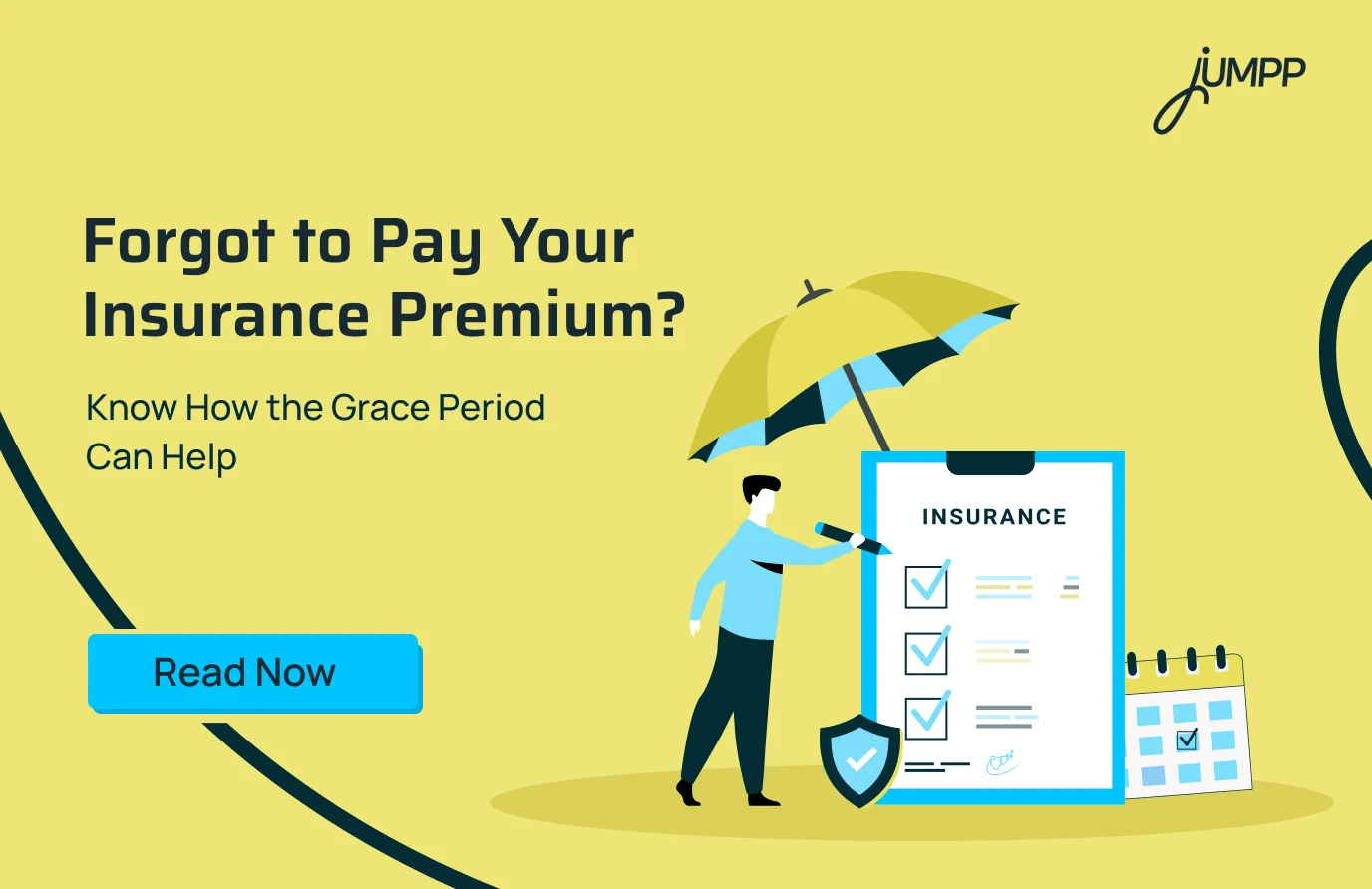
Forgot to pay your insurance premium on time? Do not panic. Most insurance policies come with a grace period that gives you additional time to pay without an immediate policy lapse.
Here is everything you need to know.
What is a Grace Period in Insurance?
An insurance grace period is the extra time your insurer gives you after the premium due date to pay your premium while keeping your policy active. If you pay within this period, your coverage generally continues without interruption.
- Allows you to pay after the due date without immediate policy lapse
- Coverage usually remains active during the grace period
- The grace period length depends on the insurer and policy type
- Failure to pay before the grace period ends may result in policy termination
Grace Period After Premium Due Date
The grace period begins immediately after your premium due date if the payment has not been made. During this period, you can renew your policy without purchasing a new one, subject to the insurer’s terms.
| Stage | What Happens |
| Premium due date | Payment becomes due |
| Grace period starts | Policy generally remains active |
| Premium paid | Policy continues without interruption |
| Grace period expires | Policy may lapse if payment is not received |
How Does the Insurance Grace Period Work?
The insurance grace period keeps your policy active for a limited time after the premium due date, allowing you to make the pending payment without immediately losing coverage.
- Pay within the grace period to continue your policy
- Some insurers may deduct unpaid premiums from claim settlements, depending on the policy terms
- If the grace period ends without payment, the policy may lapse
While understanding premium payments and policy continuity is important, knowing key insurance terms can help you make better decisions. Learn more about proposer in insurance and understand the role of a proposer in an insurance policy.
How Long is the Grace Period in Insurance?
The grace period varies depending on the type of insurance policy, premium payment frequency, and the insurer’s terms.
| Policy Type | Typical Grace Period* |
| Monthly premium | 15 to 30 days |
| Quarterly, half-yearly or yearly premium | Around 30 days |
| Life insurance | Usually 15 or 30 days, depending on premium frequency |
| Health insurance | Varies by insurer and policy |
Always check your policy document for the exact duration.
Health Insurance Grace Period
A health insurance grace period gives you additional time after the renewal due date to pay your premium while helping you maintain policy continuity.
- Helps avoid policy lapse due to delayed payment
- Coverage and renewal rules vary across insurers
- Missing the grace period may require buying a new policy or affect continuity benefits
Life Insurance Grace Period
A life insurance grace period allows policyholders to pay the overdue premium within a specified period without immediately losing the policy benefits.
- Generally available for 15 to 30 days, depending on the payment mode
- Death benefits may remain payable during the grace period, subject to policy conditions
- If payment is not made within the grace period, the policy may lapse
What are the Benefits of an Insurance Grace Period
An insurance grace period gives policyholders extra time to pay overdue premiums while reducing the risk of losing coverage.
- Prevents immediate policy lapse
- Helps maintain continuous insurance protection
- Gives flexibility during temporary financial difficulties
- Reduces the need to buy a new policy after a missed payment
- Preserves policy benefits, subject to insurer terms
The insurance grace period acts as a safety net when you miss a premium payment. While it offers additional time to renew your policy, it is only a temporary window. Paying your premium before the grace period ends helps you maintain uninterrupted coverage and continue enjoying your policy benefits.
Also read: What is health insurance and how can you choose the right one for yourself and your family?
FAQs
Yes, many insurance policies offer a 30-day grace period for quarterly, half-yearly, or annual premium payments. Monthly premium plans usually have a shorter grace period, depending on the insurer.
Yes, you can usually pay your premium after the due date if it falls within the grace period. Paying within this period helps you keep your policy active without interruption.
In most cases, your policy remains active during the grace period. However, coverage and claim settlement are subject to your policy terms and insurer guidelines.
If you do not pay the premium before the grace period ends, your policy may lapse. You may lose coverage and could be required to renew or reinstate the policy.
No. The grace period is not always the same for health and life insurance. It depends on the insurer, policy type, and premium payment frequency. Many policies offer a 15-day grace period for monthly premiums and 30 days for quarterly, half-yearly, or annual premiums, but the exact duration and terms may vary.
In many cases, claims can be considered during the grace period, subject to your policy terms and insurer rules. Confirm the applicable conditions with your insurer before filing a claim.