Got Into an Accident? Follow This Car Insurance Claim Process
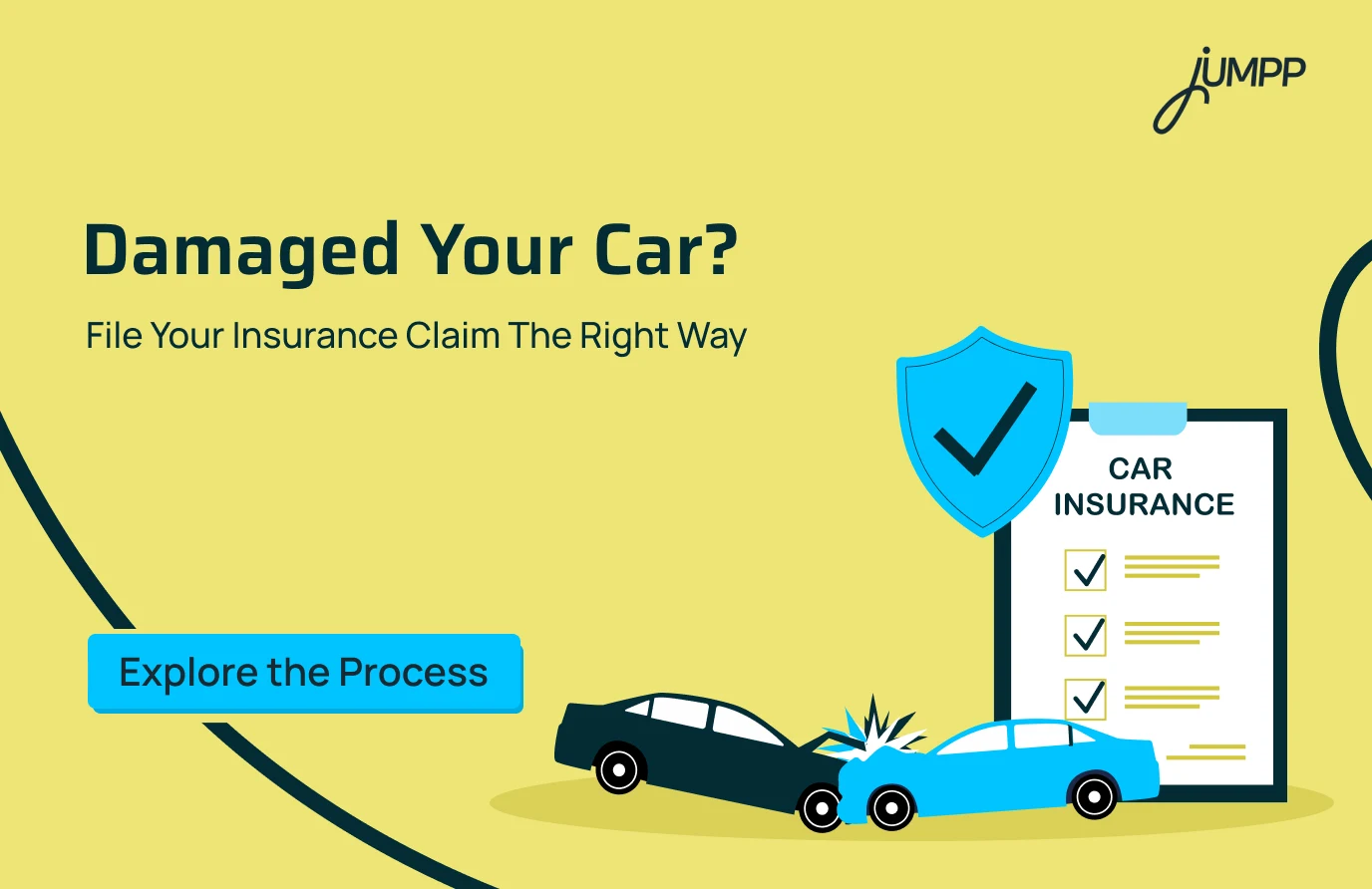
Whether it is a minor dent, a major collision, or vehicle theft, knowing how to file a car insurance claim can save both time and money. While insurers may have different procedures, the overall claim process generally follows a similar sequence of steps.
In this article, learn how the car insurance claim process works, what documents are required, and how cashless and reimbursement claims differ.
What is a Car Insurance Claim?
A car insurance claim is a request you make to your insurance provider for financial assistance when your insured vehicle suffers damage, is involved in an accident, gets stolen, or faces other covered losses.
Once the claim is approved, the insurer helps cover the repair costs, replacement expenses, or compensation as per the terms of your policy.
What are the Different Types of Car Insurance Claims?
Car insurance claims can be categorised based on the type of coverage and the nature of the loss.
The following table outlines the common types of car insurance claims and what they typically cover.
| Claim Type | What It Covers |
| Third-Party Liability Claim | Injury, death, or property damage caused to a third party by the insured vehicle |
| Own Damage Claim | Damage to the insured vehicle due to accidents, theft, fire, natural disasters, or other covered events |
| Personal Accident Claim | Accidental injury, disability, or death of the owner-driver, subject to policy terms |
| Cashless Claim | Repairs are carried out at a network garage, where the insurer settles the approved repair costs directly |
| Reimbursement Claim | Repair costs paid by the policyholder and later reimbursed by the insurer after claim approval |
| Add-On Cover Claim | Claims related to optional covers such as zero depreciation, engine protection, roadside assistance, or return-to-invoice cover |
Note: The availability of claim types depends on the car insurance policy and the coverage selected by the policyholder.
Confused about which car insurance policy offers better protection?
Before filing a claim, it’s important to understand the coverage differences between policy types. Read our detailed guide on Comprehensive vs Third-Party Insurance to compare benefits, coverage, and claim eligibility so you can choose the right protection for your vehicle.
What is the Car Insurance Claim Procedure?
The car insurance claim process involves notifying your insurer about the incident, submitting the required documents, completing the vehicle inspection process, and receiving claim settlement based on your policy coverage.
Follow these steps to file a car insurance claim:
1. Inform Your Insurance Provider
Contact your insurer as soon as possible after the accident, theft, or damage. Most insurers allow claim registration through their website, mobile app, customer care number, or branch office.
2. Document the Incident
Take photographs and videos of the vehicle damage, accident location, and surrounding conditions. If another vehicle is involved, collect details such as the vehicle registration number and the driver’s contact information.
3. File an FIR if Required
An FIR may be required in cases involving vehicle theft, third-party injuries, major accidents, or significant property damage. Check your insurer’s requirements for claim processing.
4. Submit the Required Documents
Provide the necessary documents, which may include:
- Insurance policy details
- Vehicle Registration Certificate (RC)
- Driving licence
- Claim form
- FIR copy (if applicable)
- Photographs of the damage
5. Allow Vehicle Inspection
The insurer may appoint a surveyor to assess the extent of the damage and verify the claim details before approving repairs.
6. Get the Vehicle Repaired
Depending on your policy and preference, you can choose:
- Cashless claim: Repairs are carried out at a network garage, and the insurer settles the approved amount directly with the garage.
- Reimbursement claim: You pay for repairs upfront and submit the bills to the insurer for reimbursement.
7. Receive Claim Settlement
Once the claim is approved and all formalities are completed, the insurer processes the settlement according to the policy terms and coverage conditions.
What Documents Are Required for a Car Insurance Claim?
The documents required for a car insurance claim may vary depending on the type of claim and the insurer. However, policyholders are generally required to submit the following documents during the claim process.
| Document | Purpose |
| Insurance Policy Document | Verifies policy details and coverage |
| Duly Filled Claim Form | Initiates the claim request with the insurer |
| Vehicle Registration Certificate (RC) | Confirms vehicle ownership and registration details |
| Driving Licence | Verifies the driver’s eligibility at the time of the incident |
| Photographs or Videos of Damage | Supports damage assessment and claim verification |
| Repair Estimate | Provides an estimate of repair costs from the garage |
| Original Repair Bills and Receipts | Required for reimbursement claims |
| FIR or Police Report (if applicable) | May be required in cases involving theft, major accidents, third-party liability, or bodily injury |
| Bank Account Details | Enables claim settlement and reimbursement |
| Additional Documents Requested by the Insurer | May be required depending on the nature of the claim |
Note: The exact document requirements may differ based on the insurer, policy type, and nature of the claim. Policyholders should verify the latest requirements with their insurance provider before filing a claim.
Understanding your policy details is just as important as filing a claim. Learn the role of a nominee in insurance and how it helps during the claim settlement process.
How to Claim Third-Party Car Insurance?
To claim third-party car insurance, the accident must be reported to the insurer and relevant authorities, followed by the submission of supporting documents and claim-related information.
The exact process may vary depending on whether you are filing the claim or seeking compensation from another driver’s insurer.
Follow these steps to claim third-party car insurance:
- Ensure everyone’s safety and document the accident scene with photographs or videos.
- Exchange contact, vehicle, and insurance details with the other party involved.
- File an FIR if required and obtain a copy of the report.
- Inform the insurance company about the accident as soon as possible.
- Submit the required documents, including the FIR, policy details, vehicle documents, and claim form.
- Cooperate with the insurer’s investigation and damage assessment process.
- Follow the claim settlement process as guided by the insurer or relevant authorities.
Note: Third-party claims involving injury, death, or property damage may require additional legal procedures and documentation depending on the circumstances of the accident.
What is the Difference Between Cashless and Reimbursement Claims?
The main difference between cashless and reimbursement claims lies in who pays for the vehicle repairs initially.
While cashless claims allow approved repair costs to be settled directly between the insurer and a network garage, reimbursement claims require policyholders to pay the repair bill first and recover eligible expenses later.
| Feature | Cashless Claim | Reimbursement Claim |
| Initial Payment | Insurer settles approved costs directly with the network garage | Policyholder pays for repairs first |
| Garage Selection | Limited to network garages | Freedom to choose a garage |
| Claim Submission | Fewer formalities after approval | Requires repair bills and supporting documents |
| Settlement Process | Completed during vehicle repair | Processed after document verification |
| Convenience | Generally more streamlined | May involve additional documentation |
Unexpected repair costs can affect your monthly budget. Use jAI’s expense analytics and budgeting tools to track vehicle-related expenses, monitor spending patterns, and stay on top of your financial goals. Explore the AI Expense Tracker App.

How Long Does a Car Insurance Claim Take?
The time required to settle a car insurance claim depends on factors such as the type of claim, the extent of vehicle damage, document submission, and the insurer’s verification process.
While some claims may be processed within a few days, others can take longer if additional inspections or documents are required.
| Claim Stage | Typical Timeline |
| Claim Registration | Usually completed on the same day the claim is reported |
| Vehicle Inspection | Typically scheduled within a few days of claim registration |
| Claim Assessment and Approval | Varies based on the extent of damage and document verification |
| Cashless Claim Settlement | Generally completed after repair approval and vehicle servicing |
| Reimbursement Claim Settlement | Processed after the insurer verifies repair bills and supporting documents |
Note: Claim settlement timelines may vary across insurers and policy types. Delays can occur if documents are incomplete, inspections are pending, or additional verification is required.
What are Common Reasons for Car Insurance Claim Rejection?
Car insurance claims may be rejected if they do not meet the insurer’s policy terms, coverage conditions, or documentation requirements.
- Expired or lapsed policy: The insurance policy was inactive when the incident occurred.
- Delayed claim intimation: The insurer was not informed about the incident within the required timeframe.
- Incomplete documentation: Required documents were missing or incorrectly submitted.
- Invalid driving licence: The driver did not possess a valid licence at the time of the incident.
- Driving under the influence: The accident occurred while the driver was under the influence of alcohol or prohibited substances.
- Unauthorised repairs: Vehicle repairs were completed before the insurer’s inspection or approval.
- Incorrect information: False or misleading details were provided during the claim process.
- Commercial use of a private vehicle: The vehicle was used for purposes not covered under the policy.
- Undisclosed modifications: Vehicle modifications were not reported to the insurer.
- Policy exclusions: The loss or damage was not covered under the insurance policy.
Things to Keep in Mind for a Smooth Car Insurance Claim Process
A few simple steps can help make the car insurance claim process smoother and reduce the chances of delays or claim rejection.
- Inform your insurer as soon as possible after the accident or damage.
- Do not forget to take clear photographs and videos of the vehicle damage, accident scene, and surrounding area.
- Keep your policy document, RC, driving licence, and other required documents readily available.
- Avoid getting the vehicle repaired before the insurer completes the inspection or provides approval.
- Consider using a network garage if you want to opt for a cashless claim.
- Make sure all information shared with the insurer is accurate and complete.
- Keep copies of repair bills, receipts, and claim-related documents for future reference.
- Track your claim status regularly through the insurer’s website, mobile app, or customer support channels.
- If an FIR is required, file it promptly and keep a copy for claim submission.
- Stay in touch with the insurer or surveyor to address any document or verification requests quickly.
A car insurance claim can help cover repair costs, but maintaining an emergency fund can provide additional financial flexibility during unexpected situations. With jUMPP’s zero-balance savings account, you can start building a financial cushion while managing everyday payments in one place. Open a Zero-Balance Savings Account Online.
FAQs
Insurance companies generally do not charge a separate fee for filing a car insurance claim. However, policyholders may need to bear applicable deductibles, depreciation costs, or other charges according to the policy terms.
An FIR is generally not required for own-damage claims involving minor accidents or vehicle damage without third-party involvement. In such cases, policyholders can report the incident to the insurer, submit photographs of the damage, complete the claim form, and follow the insurer’s claim process.
The car insurance claim process typically involves notifying the insurer, submitting the required documents, completing a vehicle inspection, obtaining claim approval, and receiving settlement through either a cashless or reimbursement claim.
Policyholders are generally required to inform the insurer promptly, provide accurate information, submit the necessary documents, and allow the insurer to inspect the vehicle before repairs begin. Additional requirements may apply depending on the policy and nature of the claim.
The time required to settle a car insurance claim depends on factors such as the extent of vehicle damage, document verification, inspection requirements, and the insurer’s claim process. Timelines may vary across insurers and claim types.