Comprehensive vs Third-Party Insurance: What Is the Better Option?
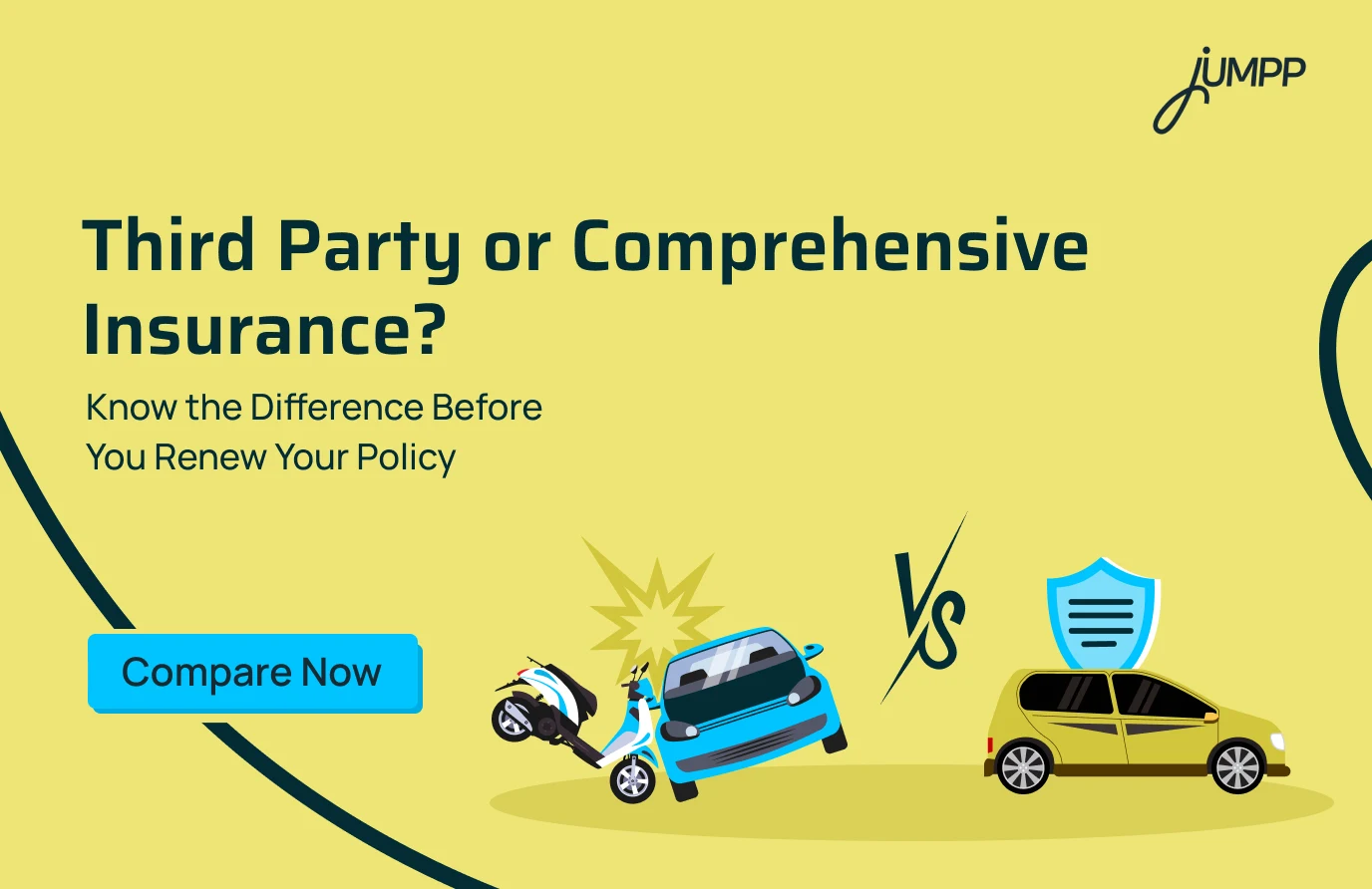
Not all car insurance policies protect you in the same way. While third-party insurance keeps you legally compliant, it does not protect your own vehicle at all. This is where comprehensive insurance becomes important, especially when repair costs and risks continue to rise. In this blog, understand comprehensive vs third-party insurance.
Comprehensive vs Third-Party Insurance: Coverage, Cost, and Benefits
Comprehensive insurance covers both your vehicle and third-party damages, while third-party insurance only covers damage or injury caused to others and is the minimum legal requirement in India.
Here’s the Difference Between Comprehensive and Third-Party Insurance in India:
| Basis | Comprehensive Insurance | Third-Party Insurance |
| Coverage | Covers own vehicle + third-party liabilities | Covers only third-party damage or injury |
| Own Vehicle Damage | Covered (accident, theft, fire, natural disasters) | Not covered |
| Legal Requirement | Not mandatory, but recommended | Mandatory under law |
| Cost | Higher premium | Lower premium |
| Add-ons | Available (zero depreciation, roadside assistance, engine cover) | Not available |
| Protection Level | Complete protection | Basic protection |
| Best For | New or high-value vehicles | Old vehicles or budget constraints |
What is Comprehensive Insurance?
Comprehensive insurance is a type of motor insurance that covers both damage to your own vehicle and third-party liabilities, including accidents, theft, fire, and natural disasters.
What are the Benefits of Comprehensive Insurance?
Comprehensive insurance offers wider financial protection by covering both your own vehicle and third-party liabilities.
- Own vehicle damage after accidents is covered.
- Third-party injury and property damage protection is included.
- Theft, fire, floods, and natural disasters are covered.
- Add-ons like zero depreciation and roadside assistance are available.
- New and high-value vehicles usually benefit more from this coverage.
What are the Disadvantages of Comprehensive Insurance?
Comprehensive insurance provides broader coverage, but higher premiums and certain exclusions still apply. Additional add-ons may also increase the total policy cost.
- Premium costs are higher than third-party insurance.
- Full depreciation costs may not be covered without add-ons.
- Regular wear and tear remains excluded.
- Mechanical and electrical breakdowns may not be covered.
- Extra add-ons can increase the final premium amount.
Looking for wider protection with lower repair worries? Compare comprehensive car insurance plans with zero depreciation cover and choose a policy that helps protect both your car and your finances during unexpected accidents.
Is Comprehensive Insurance Full Coverage?
No, comprehensive insurance is not full coverage. It offers broad protection, but it does not cover every possible situation unless combined with additional coverage.
- What it covers:
It includes damage to your vehicle from accidents, theft, fire, and natural disasters, along with third-party liability.
- What it may not fully cover:
It may not cover all expenses, such as full depreciation, certain mechanical failures, or specific exclusions, unless add-ons are included.
- What “full coverage” actually means:
Full coverage is not a single policy. It usually refers to a combination of comprehensive insurance plus add-ons like zero depreciation, engine protection, and roadside assistance for wider protection.
What is Third-Party Insurance?
Third-party insurance is a basic motor insurance policy that covers damage, injury, or death caused to another person or their property by your vehicle. It does not cover your own vehicle.
Third-party insurance is the minimum legal requirement for driving in India. It focuses only on protecting others in case of an accident caused by you.
What are the Benefits of Third-Party Insurance?
Third-party insurance is the minimum legally required motor insurance in India and provides basic financial protection against liabilities caused to others.
- Legal compliance for driving in India is maintained.
- Injury, death, or property damage caused to others is covered.
- Premium costs remain lower than comprehensive insurance.
- Financial liability during third-party claims gets reduced.
- Older or low-value vehicles are commonly insured through this plan.
What are the Disadvantages of Third-Party Insurance?
Third-party insurance offers only limited protection and does not cover your own vehicle damage.
- Theft, fire, floods, and natural disasters remain excluded.
- Add-ons like zero depreciation are not available.
- Financial protection during major accidents remains limited.
- Personal repair expenses must be paid by the vehicle owner.
Read more about the third-party insurance in detail!
For anyone comparing comprehensive vs third-party insurance, the right choice usually depends on the vehicle’s age, usage, budget, and risk exposure. A policy that looks cheaper today may not always offer enough protection during emergencies, which is why understanding the coverage difference before renewal becomes important.
Comprehensive vs Third-Party Insurance- FAQs
Comprehensive car insurance includes own vehicle damage, third-party liability, personal accident cover for the owner-driver, and optional add-ons like zero depreciation and engine protection.
Comprehensive insurance is better as it covers both your vehicle and third-party damages, while third-party insurance only covers legal liability to others.
Comprehensive insurance is the base policy, while zero depreciation is an add-on, and the best option is comprehensive insurance with zero depreciation for maximum claim benefits.
Comprehensive insurance is better in India because it already includes accident-related damage along with risks like theft and natural disasters.
Comprehensive car insurance is a motor insurance policy that covers both damage to your own car and third-party liabilities, including accidents, theft, fire, and natural disasters.
No, car insurance in India is vehicle-specific, so you are only covered for the insured car.
Yes, third-party insurance is mandatory under Indian law for all vehicles driven on public roads. Driving without valid third-party insurance can lead to penalties and legal consequences.
Third-party insurance does not cover damage to your own vehicle, theft, fire, natural disasters, or personal repair expenses. It only covers legal liability caused to others.