Does Closing a Credit Card Affect Your CIBIL Score? What You Need to Know Before Cancelling
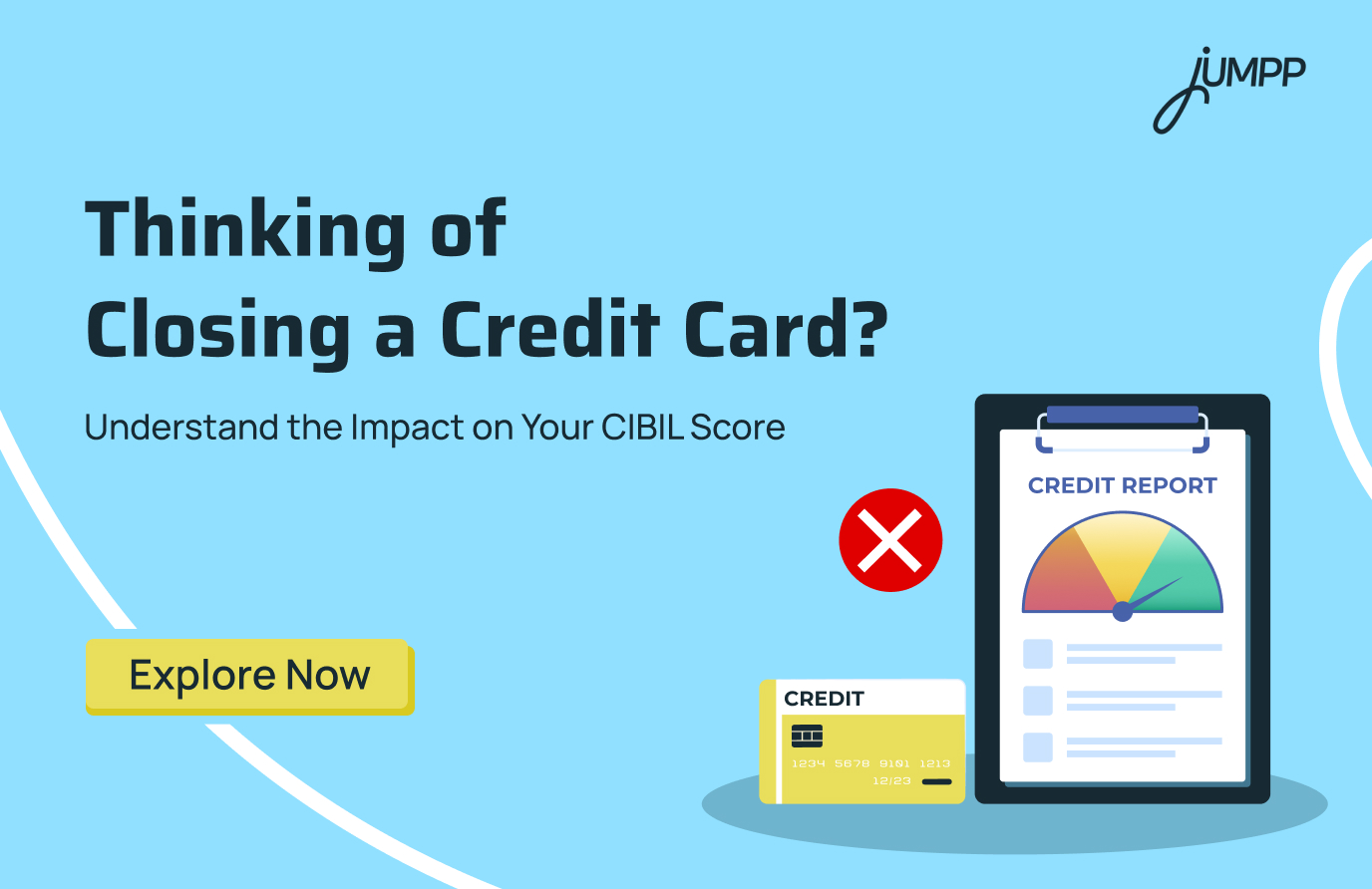
A credit card that is no longer useful can feel like unnecessary baggage. Maybe it comes with an annual fee, maybe you have stopped using it, or maybe you simply want fewer cards to manage. In such situations, many people assume that closing the card is the obvious choice. What they often do not realise is that a credit card is also a part of your credit history.
Closing a card can change how lenders view your credit profile and, in some cases, affect your CIBIL score.
Before submitting a card closure request, it is worth understanding exactly how the decision can influence your credit score and whether keeping the card open may actually be the better option.
Does Closing a Credit Card Affect CIBIL Score?
Yes, closing a credit card can affect your CIBIL score.
The impact is usually linked to three factors:
- Your credit utilisation ratio
- The length of your credit history
- Your overall credit mix
For some people, the impact may be minimal. For others, especially those with only one or two credit cards, the effect can be more noticeable.
Managing credit card payments effectively is just as important as maintaining a good score. See how to pay a credit card bill from another credit card to understand the available methods, costs, and considerations before choosing this option.
What Is the Impact of Closing a Credit Card on Credit Score?
Closing a credit card can affect your credit score by increasing your credit utilisation ratio, reducing the average age of your credit accounts, and impacting your credit mix.
The effect is usually greater when you close an older card or a card with a high credit limit.

Closing a Credit Card Can Increase Your Credit Utilisation Ratio
Credit utilisation ratio refers to how much credit you are using as compared to the total credit available to you.
This is one of the most important factors influencing a credit score.
For example:
| Particulars | Before Closure | After Closure |
| Total Credit Limit | ₹2,00,000 | ₹1,00,000 |
| Outstanding Balance | ₹20,000 | ₹20,000 |
| Credit Utilisation Ratio | 10% | 20% |
Nothing changed except the available credit limit. Yet your utilisation ratio doubled.
Lenders generally prefer borrowers who use a relatively small portion of their available credit. A lower utilisation ratio often signals disciplined credit management.
That is why closing a card with a significant credit limit can sometimes reduce your score.
If your credit card usage is becoming difficult to manage, learning structured repayment strategies can help you improve your financial health faster. Explore practical methods in this guide on how to pay off debt fast and take control of your repayments effectively.
Closing a Credit Card May Reduce the Average Age of Your Credit Accounts
Credit scores reward consistency.
A person who has managed credit responsibly for several years generally appears less risky than someone with a very short credit history.
If you close one of your oldest credit cards, the average age of your active accounts may decrease.
This can have a negative impact because lenders often view a longer credit history as a sign of stability and responsible borrowing.
Closing a Credit Card Can Affect Your Credit Mix
Credit mix refers to the various types of credit accounts you maintain.
Examples include:
- Credit cards
- Personal loans
- Home loans
- Auto loans
A healthy mix demonstrates that you can manage different forms of credit responsibly.
If you close your only credit card, your credit profile may become less diverse, which could slightly affect your credit score.
If you are new to credit, learn how to get a credit card without a CIBIL score and explore the options available for first-time applicants.
What If I Do Not Use My Credit Card?
Not using a credit card does not directly affect your credit score. However, if you leave an unused card inactive for a long period, it can create issues if the card issuer reduces your credit limit or closes the account.
Here is what can happen if you do not use your credit card:
- The issuer may close the account due to inactivity.
- Your credit limit may be reduced, which can increase your credit utilisation ratio.
- Your credit score may be affected if the account is closed and your available credit decreases.
- The average age of your credit accounts may decline if an older card is closed.
- Annual fees or maintenance charges may still apply, even if you are not using the card.
- Fraudulent transactions may go unnoticed if you are not checking statements regularly.
- You may miss out on rewards, cashback, or other card benefits.
To keep a credit card active, you must consider using it occasionally for a small recurring expense and paying the balance in full before the due date. This can help maintain your credit history and available credit limit while avoiding inactivity-related issues.
Should You Keep Unused Credit Cards Open?
Yes, keeping an unused credit card open can be beneficial if it has no significant annual fee and contributes positively to your credit history and available credit limit.
An unused credit card can support your credit profile by:
- Increasing your total available credit, which can help keep your credit utilisation ratio low.
- Contributing to a longer credit history, especially if it is one of your oldest accounts.
- Supporting your overall credit score by maintaining an established credit record.
How to Cancel a Credit Card Without Affecting Credit Score
To cancel a credit card without significantly affecting your credit score, you must focus on maintaining a low credit utilisation ratio, preserving your credit history, and ensuring the account is closed correctly.
Before closing your credit card, you should do the following –
- Pay off all outstanding dues, including EMIs, interest charges, and pending transactions.
- Keep your credit utilisation ratio low, ideally below 30% across your remaining cards.
- Avoid closing your oldest credit card, as it contributes to the length of your credit history.
- Consider downgrading to a no-fee card instead of closing the account altogether.
- Move recurring payments and auto-debits to another active card.
- Redeem any reward points, cashback, or vouchers before requesting closure.
Once you are ready to proceed:
- You should submit a closure request through the card issuer’s app, website, branch, or customer care channel.
- It is important to verify that the outstanding balance is zero before the closure is processed.
- Request written confirmation stating that the account has been closed at your request with no pending dues.
- Don’t forget to destroy the physical card securely after receiving confirmation.
After the card is closed:
- You can review your credit report after 30 to 45 days to ensure the account is reported correctly.
- Monitor your credit utilisation ratio on remaining cards to minimise any impact on your credit score.
If maintaining your credit score is a priority, it is often better to close a newer card rather than an older one, especially when the older card contributes significantly to your credit history and available credit limit.
How to Improve Credit Score With a Credit Card
You can improve your credit score with a credit card by paying your bills on time, keeping your credit utilisation low, and using credit responsibly over a long period.
Here are some practical ways to do that:
- Never miss a payment. Your payment history is one of the biggest factors affecting your credit score. Setting up auto-pay can help ensure bills are paid on time.
- Pay the full outstanding amount whenever possible. Paying only the minimum due may keep the account in good standing, but it can lead to high interest charges and growing debt.
- Keep your credit utilisation ratio below 30%. If your credit limit is ₹1 lakh, try not to use more than ₹30,000 at a time. Lower utilisation generally looks better to lenders.
- Avoid using your entire credit limit. Frequently maxing out your card can signal higher credit risk, even if you pay the bill later.
- Keep older credit cards open. A longer credit history can strengthen your credit profile, especially if the account has been managed responsibly.
- Use inactive cards occasionally. A small recurring payment, such as a utility bill or subscription, can keep the account active and help preserve its contribution to your credit history.
- Limit new credit applications. Applying for several credit cards or loans within a short period can lead to multiple hard inquiries and temporarily affect your score.
- Consider a credit limit increase. If your income and repayment track record are strong, a higher credit limit can help lower your credit utilisation ratio without increasing your spending.
Final Thoughts
Before requesting credit card closure, you should evaluate how the decision affects your credit utilisation ratio, account age, and borrowing profile. In many cases, keeping an old, no-fee credit card open may be more beneficial than closing it.
The goal should not simply be to reduce the number of cards you own. It should be to maintain a healthy credit profile that supports your future financial goals.
Disclaimer– The rankings and figures in this article have been compiled from multiple verified reports, credible news sources, and public financial data available as of 2026.
All values are approximate and may vary with newer updates, revisions, or changes in official records.
FAQs
No, closing a credit card does not usually increase your CIBIL score. In fact, it is more likely to cause a temporary drop because your total available credit decreases, and your credit utilisation ratio may increase.
Yes, closing a credit card can affect your CIBIL score. The impact is typically linked to three factors: your credit utilisation ratio, the length of your credit history, and your overall credit mix.
There is no fixed number. Some people may see little to no change, while others may experience a noticeable drop. The impact depends on factors such as the age of the card, its credit limit, and your overall credit profile.
In most cases, keeping a credit card open with a zero balance is better. An active account contributes to your available credit limit and credit history, both of which can support your credit score.
Closing your first credit card can affect your credit score more than closing a newer card. Since it is often your oldest account, closing it may reduce the average age of your credit history and weaken an important part of your credit profile.
Cancelling a credit card does not directly help your credit score. If your score improves after closing a card, it is usually because of positive financial habits adopted afterwards, such as reducing debt or making timely payments.
Generally, no. Paying off a credit card balance is beneficial, but closing the account afterwards may reduce your available credit and increase your credit utilisation ratio. Keeping the card open can often be the better option, especially if there are no significant fees involved.
You can improve your credit score by paying all bills on time, keeping your credit utilisation ratio below 30%. Avoiding multiple credit applications in a short period and maintaining older credit accounts, etc.
A 20-point drop is usually not considered major, but its impact depends on your starting score. A drop from 800 to 780 may have little effect, while a drop from 700 to 680 could influence loan approvals or interest rates.