How to Pay Off Debt Fast: 10 Best Debt Payoff Methods That Can Work
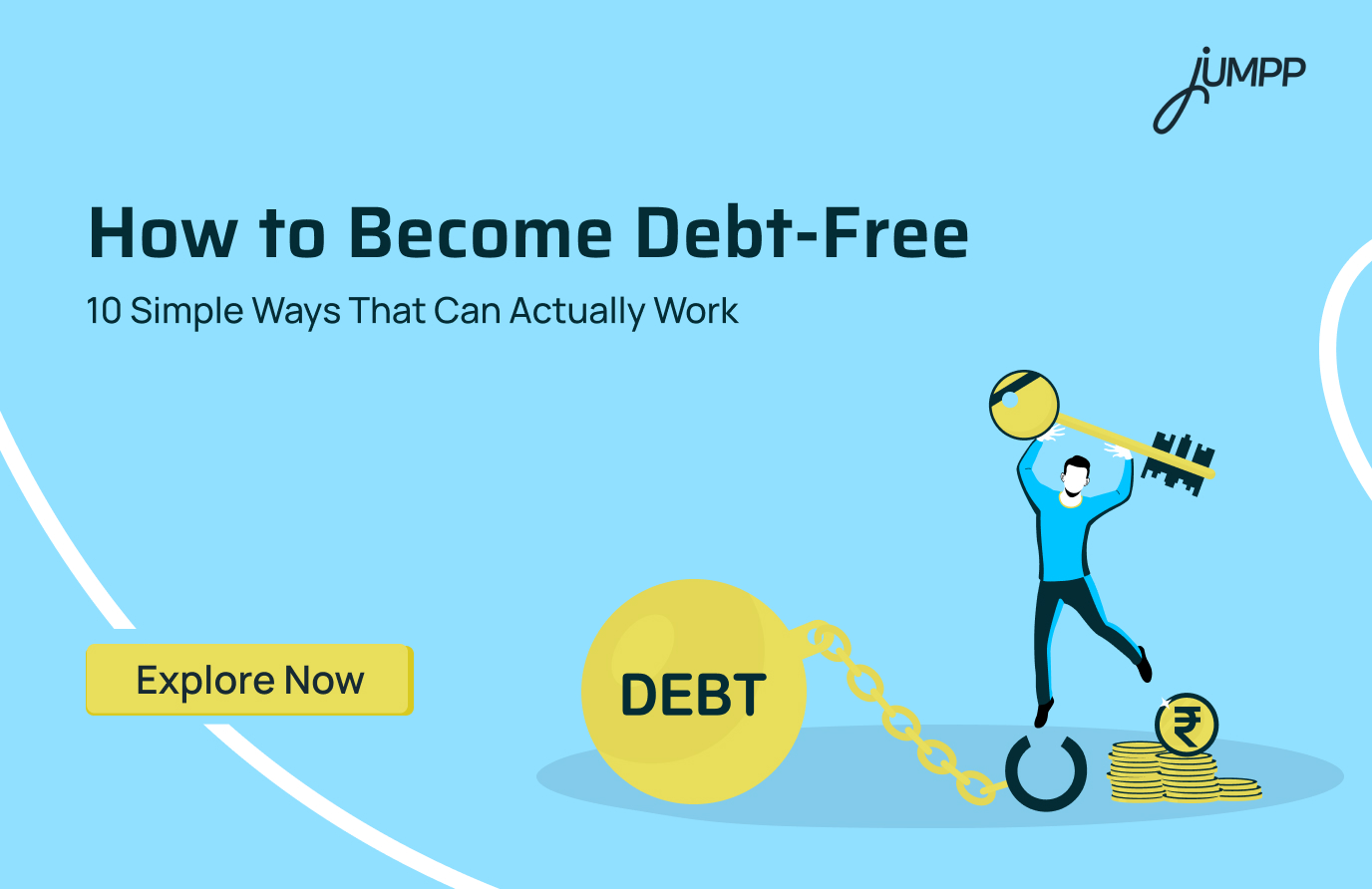
Debt usually does not begin with one big mistake. It starts with bad money management habits. “That ‘₹2,999 per month’ EMI felt like a great deal when you swiped your card for that new phone or vacation. But fast forward six months, and that one choice has multiplied into a mountain of debt that feels impossible to climb. In India, we are raised to be savers, yet we find ourselves trapped in a ‘debt-first’ lifestyle where our monthly income barely covers the interest. But, how to pay off debt fast?
Most debt problems can be solved with a smart debt repayment strategy, consistent budgeting, and a few difficult but important financial decisions.
In this blog, check out a few debt management tips that you can follow.
How to Pay Off Debt Faster in India – 10 Best Ways to Repay Debt
To pay off debt fast, you need to focus on clearing high-interest loans first, stopping new debt immediately, increasing EMI payments whenever possible, following a strict budget, and increasing your income alongside repayment efforts.
Here are 10 practical ways that actually help people pay off debt faster in India.
1. Stop Ignoring the Actual Numbers
A lot of people in India know they are “in debt”, but they do not actually know how much interest they are paying every month. That is where the problem starts.
One credit card at 36% interest can quietly become more dangerous than a bigger home loan. Sit down once, write every EMI, credit card bill, app loan and borrowed amount in one place. The moment people see the real numbers together, they usually realise where the biggest financial leak actually is.
If you don’t track your money, you can’t control your debt.
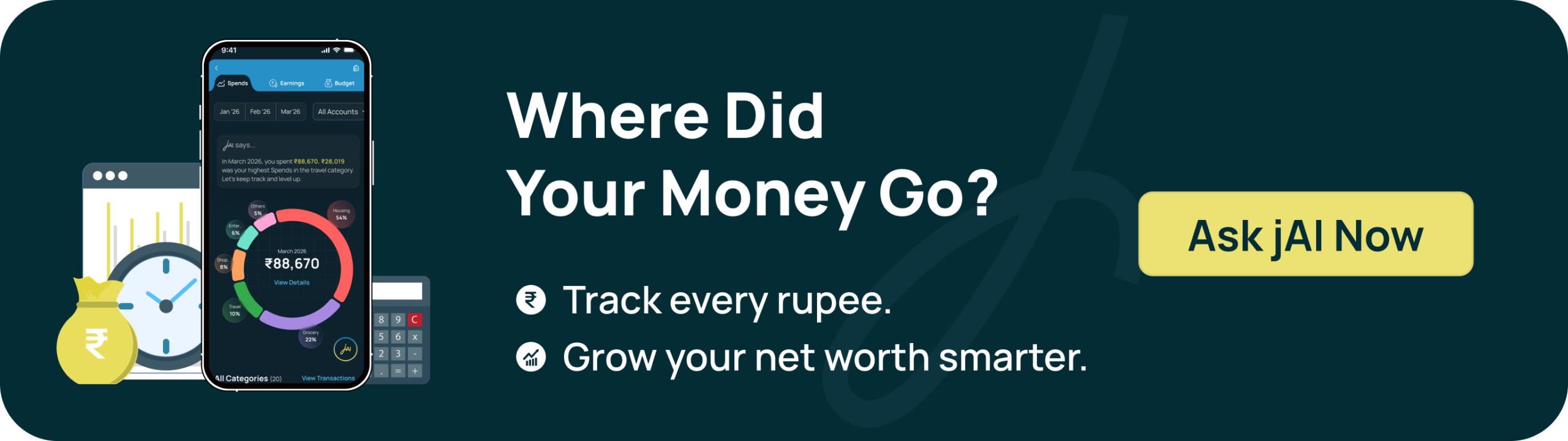
If you’re struggling to track everything manually, consider using a wealth management app. It’s a great way to see your assets and liabilities side-by-side and finally understand your true financial standing
2. Attack the Costliest Loan First
Not every loan deserves equal attention. A ₹2 lakh personal loan at 14% is still less damaging than a ₹70,000 credit card balance at 42% yearly interest.
That is why many financial experts recommend the avalanche method, where extra money goes towards the highest-interest loan first.
If your current personal loan interest rate feels too high, switching to a lower-interest lender can reduce your EMI burden and help you repay debt faster. Learn how a personal loan balance transfer works and when it actually makes financial sense.
3. Stop Paying Only the Minimum Due
This is probably one of the biggest debt traps today. Many salaried people pay only the minimum due on credit cards, thinking they are “managing” the debt.
In reality, the bank keeps charging heavy interest on the remaining balance every month. Even adding ₹2,000 or ₹5,000 extra above the minimum payment can reduce repayment years dramatically.
4. Cut Lifestyle Expenses Temporarily, Not Forever
Most people fail debt repayment because they try to clear loans while still spending like nothing is wrong. Expensive food deliveries, impulse shopping, random Amazon orders, subscriptions nobody uses anymore, all of it quietly delays financial freedom.
Nobody is saying stop living life. But even a temporary six-month spending reset can free up enough cash to aggressively close one major loan.
5. Use Every Extra Income for Debt, Not Shopping
Bonus came? Tax refund arrived? Freelance payment credited?
Also, check – how to do budgeting for freelancing!
Most people immediately think about vacations, phones or shopping. But financially smart people use windfall money to reduce the loan principal first. A single ₹50,000 prepayment on a personal loan can save thousands in future interest and reduce mental stress much faster.
6. Close Small Loans for Mental Relief
Sometimes the smallest loan creates the biggest emotional burden. Maybe it is a BNPL app repayment or a consumer durable EMI that keeps irritating you every month. Clearing one small debt quickly gives psychological momentum.
Suddenly, one EMI disappears, one due date disappears, and the repayment journey starts feeling manageable again. That confidence matters more than people realise.
7. Increase Income for One Year Aggressively
Debt repayment becomes much faster when income rises, not just when expenses reduce. Many Indians today are taking weekend freelance work, online tutoring, consulting projects or selling unused items to generate extra cash flow. Even an additional ₹10,000 monthly pushed directly into loan repayment can shorten years of debt burden.
8. Stop Taking Fresh EMIs During Repayment
This sounds simple, but this is where most people fail. They repay one debt and immediately finance a new phone, bike, vacation or shopping purchase. Debt freedom only works when borrowing slows down at the same time.
Otherwise, people stay trapped in a cycle where one EMI replaces another endlessly.
9. Automate Payments So You Do Not Miss Dates
Late fees and penalties quietly make debt worse. Many people are already financially stretched, and then extra penalties get added because they forgot one due date. Auto-debit systems, reminders and fixed repayment dates remove that risk.
10. Accept That Debt Repayment Is a Lifestyle Shift
The people who successfully become debt-free usually change their behaviour completely. They become more conscious about spending, more careful with credit cards, and more disciplined with budgeting.
Debt repayment is rarely solved by one big salary jump alone. It is usually solved by dozens of small financial decisions repeated consistently for 12 to 24 months.
Common Mistakes That Keep People in Debt
People stay trapped in debt because of their spending habits rather than just their income. If you are struggling to make progress, it’s likely because you are falling into one of these common, invisible traps:
- The “Minimum Due” Illusion: This is the most dangerous habit in Indian personal finance. By paying only the minimum, you are barely covering the interest, while the principal remains untouched.
You aren’t “paying off” the card; you’re effectively subscribing to a high-interest service that can keep you in debt for decades.
- Lifestyle Inflation (The “Salary Hike” Trap): Every time there’s a bonus or a salary hike, our spending threshold moves up instantly.
If your EMIs increase at the same rate as your income, you are trapped in a loop where your lifestyle, not your goals, dictates your bank balance.
- Using Debt as a “Safety Net”: When people treat credit cards or “Buy Now, Pay Later” (BNPL) apps as an emergency fund, they lose their financial independence.
A true emergency fund is cash in a savings account; using credit for emergencies is just borrowing future income at a massive premium.
- Ignoring the CIBIL Impact: Many people don’t realise that missing even one small EMI payment hurts their CIBIL score. A low score doesn’t just block future loans; it forces you to accept higher interest rates on future borrowing, making your debt more expensive than it needs to be.
Know how to get a credit card with a low CIBIL score!
- The “One-Size-Fits-All” Budgeting Failure: Many try to cut everything to pay off debt, only to burn out and binge-spend two months later. If your repayment plan doesn’t allow for small, controlled “lifestyle” costs, it isn’t sustainable. Strictness without balance is the fastest way to fail.
Final Thoughts
The fastest way to pay off debt is through proper financial planning for debt repayment. It must involve the following –
- disciplined budgeting
- aggressive repayment
- fewer emotional purchases
- better money management
- increased income
- consistent monthly progress
And honestly, becoming debt-free changes more than finances.
It changes how peacefully you sleep, how confidently you plan your future, and how much freedom your salary actually gives you.
Disclaimer– The rankings and figures in this article have been compiled from multiple verified reports, credible news sources, and public financial data available as of 2026.
All values are approximate and may vary with newer updates, revisions, or changes in official records.
How To Become Debt Free Faster – FAQs
The fastest way to pay off debt is by focusing on high-interest loans first, increasing EMI payments whenever possible, reducing unnecessary expenses, and using extra income like bonuses or freelance earnings towards repayment.
To become debt-free faster in India, create a strict monthly budget, avoid taking new loans, prioritise credit card debt repayment, track your EMIs carefully, and follow a smart debt repayment strategy consistently.
The quickest way to pay off debt is to stop taking new loans, prioritise high-interest debt first, and increase monthly repayments through strict budgeting and extra income wherever possible.
The debt avalanche method is considered the fastest debt payoff method because it focuses on clearing the highest-interest debt first while continuing minimum payments on other loans.
The 5 C’s used by lenders are Character, Capacity, Capital, Collateral, and Conditions. These factors help financial institutions assess repayment ability before approving loans.
The debt avalanche method is best for saving money on interest, while the debt snowball method works better for people who stay motivated by clearing smaller debts quickly.
Debt cannot usually be cleared immediately unless there is access to a lump sum amount, debt consolidation, or a negotiated settlement with the lender.
Yes, depending on the country, type of debt, and legal status, lenders may still attempt debt recovery even after several years. Ignoring debt is usually not advisable.