Underinsured Meaning: What Happens When Coverage Falls Short
Having insurance gives financial protection, but what happens when the coverage amount is not enough during an emergency? Many people realise this gap only when they make a claim and still have to pay extra expenses from their own pocket.
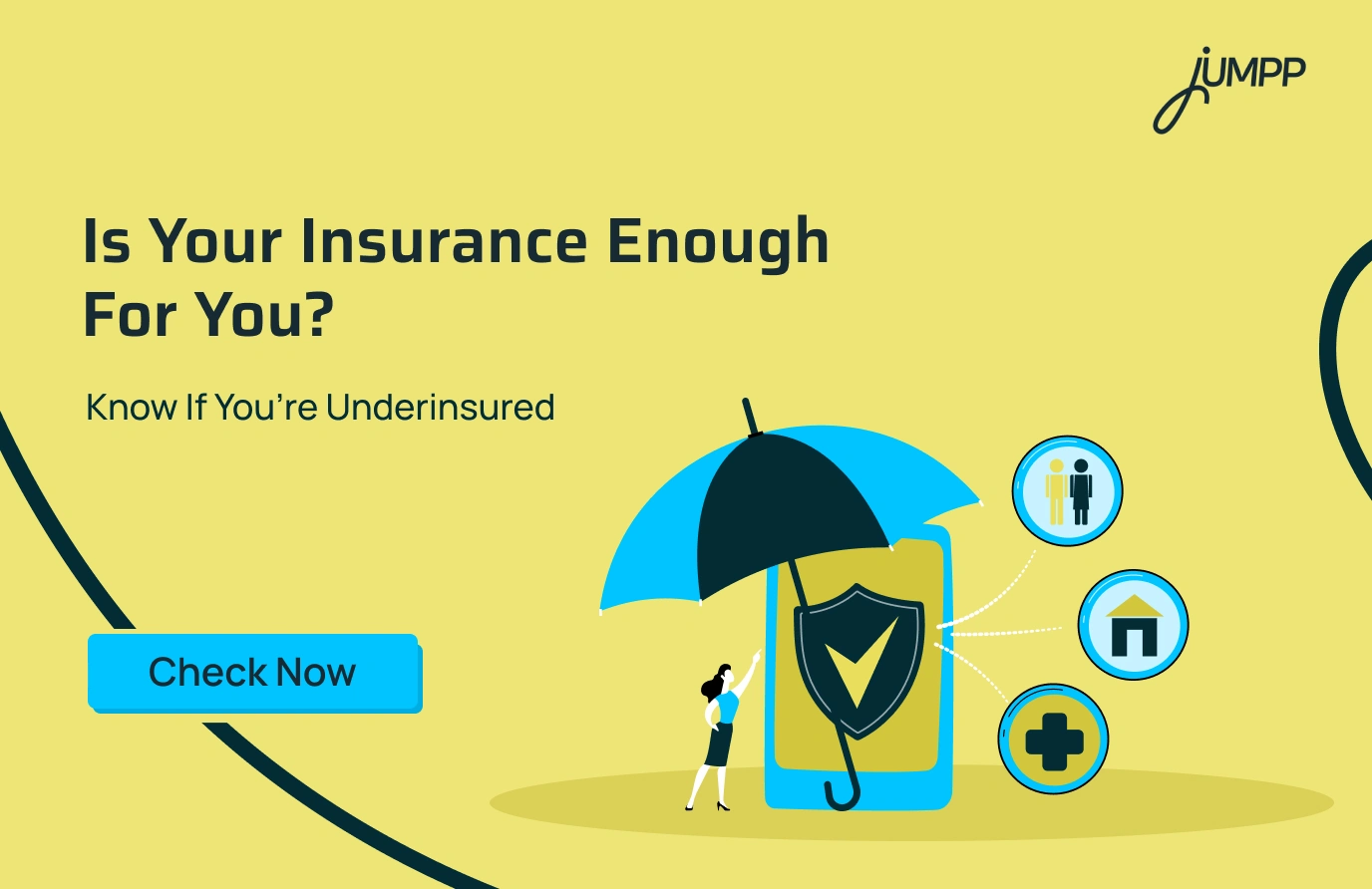
This situation is known as being underinsured. It means you have an insurance policy, but the coverage limit may not be sufficient to cover the actual financial loss.
Let us understand the common reasons behind underinsurance and how to know if you are underinsured.
Underinsured Meaning in Insurance
Underinsured means having insurance coverage that is lower than the amount required to cover a financial loss, medical expense, or other insured event.
For example, if your medical expenses are ₹10 lakh but your health insurance coverage is only ₹5 lakh, the remaining amount may have to be paid from your own pocket. This difference between required coverage and available coverage is known as underinsurance.
Underinsurance can happen in different types of insurance, such as:
- Health Insurance: When your health insurance coverage is not enough to manage high medical bills or treatment costs.
- Life Insurance: When the insurance amount is not enough to support your family’s financial needs after an unexpected event.
- Home Insurance: When your home insurance amount is lower than the actual cost needed for repairs or rebuilding.
- Vehicle Insurance: When your policy does not provide enough coverage for damages or losses after an accident.
Common Causes of Being Underinsured
Here are some reasons why people may become underinsured:
1. Choosing Lower Coverage
Some people choose a lower insurance cover to reduce premium costs. However, the coverage may not be enough during a major claim.
2. Increase in Expenses Over Time
Rising healthcare costs, inflation, and lifestyle changes can increase financial requirements. An old insurance cover may become insufficient over time.
3. Not Reviewing Insurance Policies
Many people buy insurance once and do not review their coverage regularly. Changes in income, family size, or responsibilities can increase insurance needs.
4. Not Understanding Policy Coverage
Sometimes people focus only on buying insurance without checking coverage limits, exclusions, and benefits.
Unexpected expenses can affect your financial planning. Learn about hospital cash insurance and how it helps manage additional costs during medical emergencies.
How to Know if You Are Underinsured
You can identify possible underinsurance by checking these factors:
- Your insurance coverage is much lower than your current expenses.
- Your financial responsibilities have increased since buying the policy.
- Your policy has not been reviewed for several years.
- You may need to pay a large amount yourself during a claim.
- Your coverage does not consider inflation or rising costs.
Reviewing your insurance needs regularly can help you understand whether your existing coverage is sufficient.
How to Avoid Being Underinsured?
Here are some ways that may help reduce the chances of underinsurance:
1. Review Your Insurance Needs Regularly
Check your insurance coverage whenever there are major financial or lifestyle changes.
2. Consider Future Expenses
While choosing coverage, consider future costs such as inflation, healthcare expenses, and family needs.
3. Understand Policy Terms
Read the policy details carefully, including coverage limits, exclusions, and claim conditions.
4. Update Coverage When Needed
As your financial responsibilities grow, review whether your existing insurance coverage still matches your requirements.
5. Compare Different Policies
Understanding different insurance plans can help you choose coverage based on your needs.
Managing financial risks starts with understanding different money concepts. Read about flat and reducing rate of interest and how they impact your borrowing decisions.
Underinsured vs. Uninsured Difference
Being uninsured means you do not have any insurance coverage and need to pay the entire cost yourself. Being underinsured means you have insurance, but the coverage amount may not be enough to cover the total expense during a claim.
| Basis | Underinsured | Uninsured |
| Meaning | Having insurance, but coverage may not be enough | Not having any insurance coverage |
| Policy Status | An insurance policy exists | No active insurance policy |
| Financial Impact | You may need to pay the remaining amount after the coverage limit | You may need to manage the entire expense yourself |
| Example | Having ₹5 lakh coverage for a ₹10 lakh expense | Having no insurance for the expense |
Conclusion
Insurance needs can change with time due to rising expenses, lifestyle changes, and growing financial responsibilities. Regularly reviewing your policy, understanding coverage limits, and updating your insurance when required can help reduce the chances of being underinsured.
Insurance is one part of financial planning, but tracking your overall finances is equally important. Learn what net worth means and why monitoring it helps you understand your financial position.
FAQs
An insurer is an insurance company or provider that offers insurance coverage, collects premiums, and handles claims according to the terms of the policy.
Insurance is a financial agreement between an individual and an insurance provider. The individual pays a premium, and the insurer provides financial protection against covered losses as per the policy terms.
When a person is underinsured, the insurance coverage may not be enough to cover the entire loss or expense. The remaining amount may need to be paid by the insured person.
In some insurance policies, the underinsurance calculation may follow the average clause formula: Claim Amount = (Sum Insured ÷ Actual Value of Asset) × Loss Amount.
The exact calculation can vary depending on the policy terms.
Underinsurance can happen due to choosing insufficient coverage, rising costs, inflation, increase in financial responsibilities, or not reviewing and updating insurance policies regularly.
Overinsurance means having insurance coverage that is higher than the actual value or requirement of the insured asset. It is the opposite of underinsurance.
Insurance means transferring certain financial risks to an insurance company by paying a premium. It helps provide financial support against covered events or losses.
Being insured means having financial protection through an active insurance policy. The insurer provides coverage for specific risks according to the policy conditions.