Safe Online Banking Tips: 8 Ways to Protect Your Bank Account
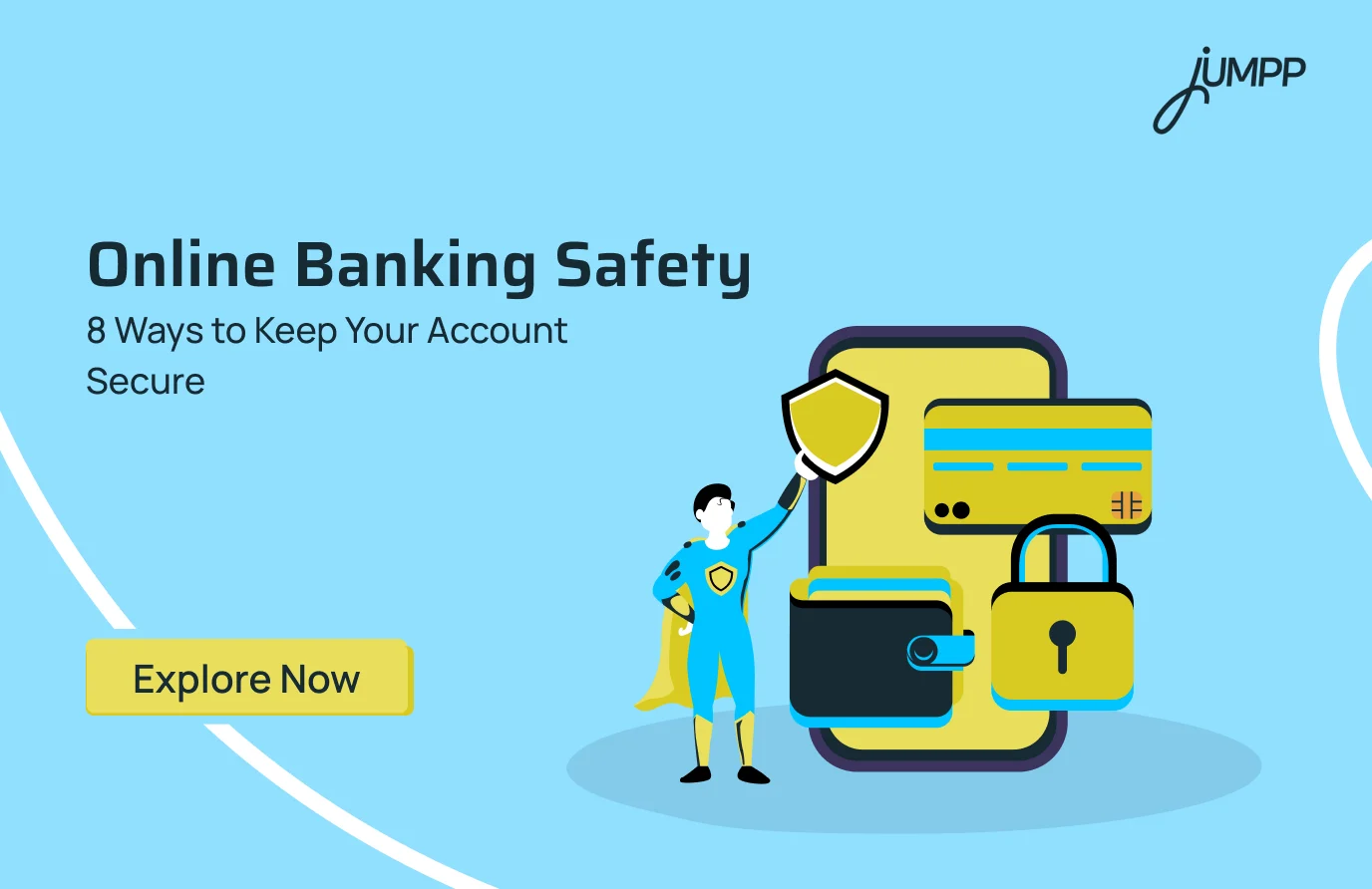
You check your balance, pay a bill or transfer money online, often without thinking twice. But one wrong link, fake call or shared OTP can put your bank account at risk. Online banking is convenient, but using it safely requires a few basic precautions.
Here are 8 safe online banking tips to help you protect your account and spot common fraud attempts.
What Is the Safety of Online Banking?
The safety of online banking refers to the security measures used by banks and customers to protect accounts, transactions and financial information from unauthorised access and fraud.
Banks provide different online banking security measures, but customers also need to protect their login credentials, use trusted devices and stay alert to suspicious messages or transactions.
8 Safe Online Banking Tips You Should Follow
Following a few safe online banking tips can help protect your account, money and personal information from common digital threats.
Now, how to protect a bank account online?
These simple online banking safety measures can also reduce the risk of online banking fraud.
1. Use a Strong and Unique Password
Your password is one of the first layers of online banking security. Avoid using easily guessed information such as your name, birth date or mobile number.
Create a strong password and keep it different from passwords used for email, social media or other accounts. Never share your banking password, PIN, OTP or other confidential information with anyone.
Now, open a free zero-balance savings account online!
2. Always Use the Bank’s Official Website or App
Fake banking websites can look similar to genuine ones and may be designed to steal your login details.
For secure online banking, type your bank’s official website address directly into your browser or use its official mobile app. Avoid accessing your account through links received in unexpected emails, SMS messages or social media messages.
Also explore: beneficiary meaning in bank and why is it important for you!
3. Avoid Online Banking on Public Computers
Avoid logging in to your bank account from shared computers at places such as cyber cafés, libraries or other public locations. Your credentials could be exposed or saved on the device.
If using an unfamiliar device is unavoidable, do not allow the browser to save your login ID or password. It is always recommended to clear browsing history, cache and temporary files when a public computer has been used.
4. Never Share Your Banking Credentials
One of the most important safe online banking practices is keeping confidential banking information private.
Do not share your:
- Internet banking password
- Debit or credit card PIN
- OTP
- CVV
- Login ID or other confidential credentials
Be cautious if someone contacts you claiming to represent your bank and asks for sensitive information. You should never provide login information in response to calls or emails requesting confidential details.
Explore: From Swiping to Tapping: How Plastic Money Changed the Way We Pay
5. Check Your Account and Transactions Regularly
Regularly reviewing your bank account can help you spot an unfamiliar transaction quickly.
Check transaction alerts, account statements and recent activity. If you notice a transaction you do not recognise, contact your bank promptly. Regular account monitoring is an important part of online banking fraud prevention.
6. Keep Your Device and Security Software Updated
Another important aspect of internet banking security is protecting the device you use to access your account.
Keep your operating system, browser, banking app and security software updated. It is always recommended to use licensed antivirus software and keep it updated to protect confidential information.
7. Be Alert to Phishing and Fake Messages
Phishing is one of the online banking risks you should watch for. Fraudsters may impersonate banks through emails or messages and direct you to fake websites designed to capture your banking information.
Check the sender and destination carefully before clicking a banking-related link. If a message seems suspicious, access your account directly through your bank’s official website or app instead.
8. Log Out After Completing Your Banking Activity
Once you finish a transaction or other banking activity, log out of your internet banking session, particularly when using a device that other people can access.
Avoid leaving your banking account open unnecessarily. This simple precaution can help protect your online banking account from unauthorised access.
These precautions for online banking can reduce exposure to common security threats.
Common Online Banking Risks You Should Know
While banks use multiple security measures to protect digital transactions, users can still face risks from scams, malicious software and stolen credentials.
Some common online banking risks include:
- Phishing, vishing and smishing: Fraudsters may impersonate banks through emails, phone calls or text messages to obtain passwords, PINs, OTPs or other sensitive details.
- Malware and fake apps: Malicious software and imitation banking apps may be used to capture login credentials, monitor activity or access sensitive information on your device.
- Account takeover: Stolen passwords, compromised credentials or SIM-related fraud can allow criminals to gain unauthorised access to a bank account and potentially carry out transactions.
- Unsafe public Wi-Fi: Unsecured networks can expose banking activity to security threats, particularly when users access sensitive accounts over unknown or untrusted connections.
- AI-enabled scams: Fraudsters may use AI-generated voices, videos or other impersonation techniques to make fraudulent requests appear more convincing.
See how AI in banking is helping in online banking fraud prevention!
Final Thoughts
Following simple security practices, checking your account regularly and staying alert to suspicious communication can make online banking safer.
Make online banking safety part of your everyday banking habits rather than something you think about only after noticing suspicious activity.
Disclaimer- The rankings and figures in this article have been compiled from multiple verified reports, credible news sources, and public financial data available as of 2026.
All values are approximate and may vary with newer updates, revisions, or changes in official records.
FAQs
Yes, online banking in India can be safe when you use your bank’s official website or app and follow basic security practices. Banks use multiple security controls, but users must also protect passwords, PINs and OTPs and stay alert to fraud.
Internet banking uses security measures to protect account access and transactions. However, its safety also depends on how you use it, such as avoiding suspicious links, keeping login details private and accessing your account through trusted devices and networks.
Common online banking risks include phishing, vishing, smishing, fake banking websites or apps, malware, account takeover and fraud over unsecured networks. AI-generated voices and videos may also be used in impersonation scams.
Use a strong password, access your account only through official banking channels and never share your PIN, password or OTP.
Both can be secure when used correctly. Mobile banking apps may provide additional protections such as biometric login and device-specific security, while internet banking security depends on factors such as browser, device and network safety.
Contact your bank immediately to block or secure the affected account and payment instruments. Report any unauthorised transactions promptly and change compromised login credentials. You can also report financial cyber fraud through the national cybercrime helpline 1930 or the National Cyber Crime Reporting Portal.
For online banking fraud prevention, avoid unknown links, verify banking websites and apps, keep your credentials confidential and regularly check account activity. Never approve a transaction or share an OTP unless you initiated the activity yourself.
It is safer to avoid banking transactions over unknown or unsecured public Wi-Fi networks. Use a trusted private connection or your mobile data when accessing sensitive financial accounts.
Banks may use measures such as encrypted connections, passwords, OTP-based authentication, transaction alerts, device controls and fraud-monitoring systems. The exact online banking security measures vary by bank and service.
Check the website address carefully and access your bank through its official website rather than unfamiliar links. For banking apps, use trusted app stores and verify the app and developer details before installing.