ATM Security: 5 Ways to Protect Your Card, PIN and Money
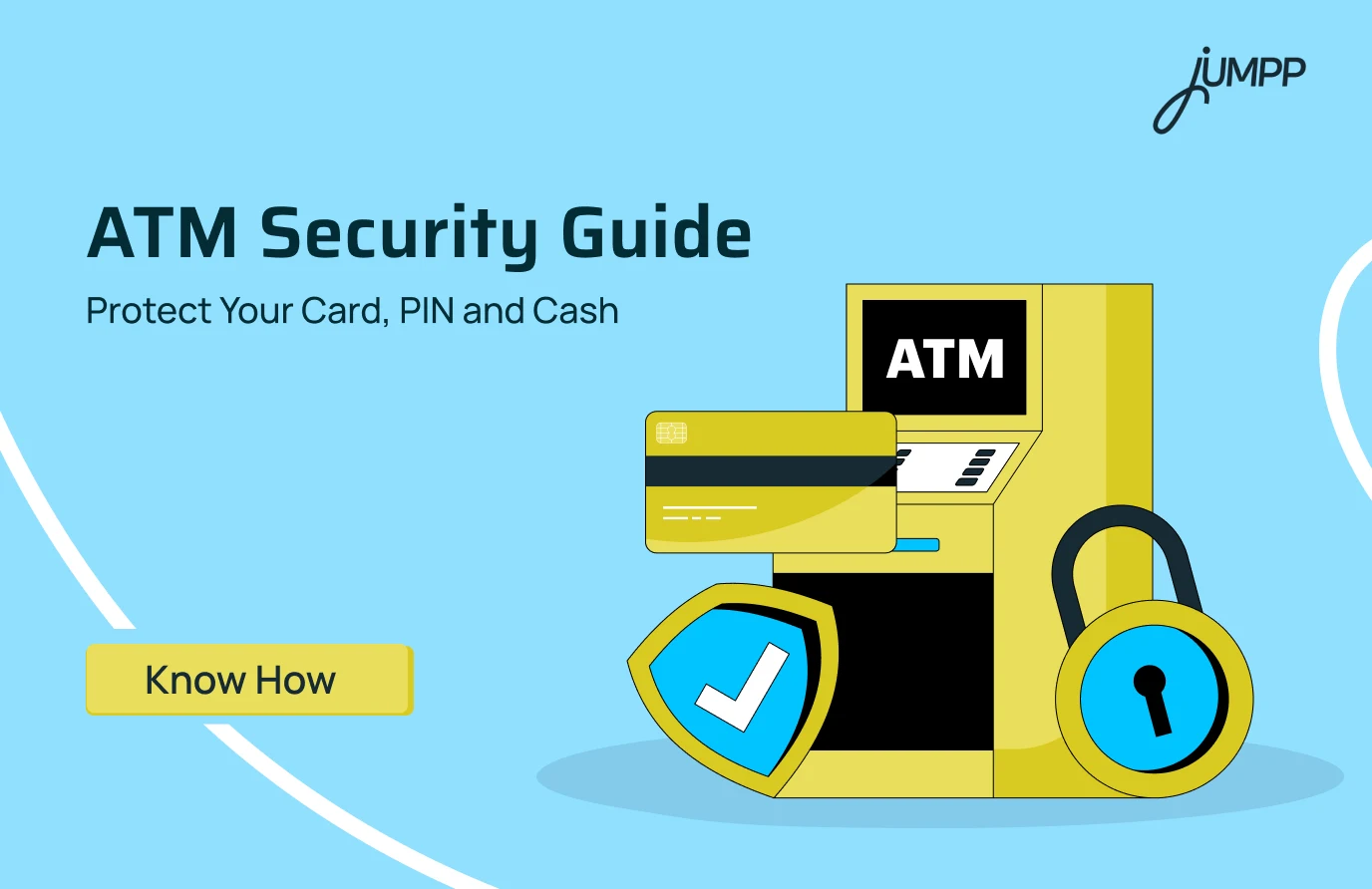
ATMs provide quick and convenient access to cash, but they can also be targeted by fraudsters using methods such as card skimming, PIN theft, card swapping and scams. Fortunately, you do not need complicated security procedures to stay protected.
A few simple habits before, during and after a transaction can make a significant difference.
Here are five practical ATM safety tips to help protect your money and banking information.
1. Choose a Safe Location and Stay Aware of Your Surroundings
One of the most important ATM security tips is to choose a secure, well-lit location and remain aware of your surroundings. Staying alert can improve ATM transaction safety and help you avoid situations that may put your cash or card at risk.
Follow these safe cash withdrawal tips:
- Choose ATMs located in well-lit and busy areas whenever possible.
- Avoid using a machine if you notice suspicious people or unusual activity nearby.
- Keep your belongings close while waiting for or completing a transaction.
- Do not allow strangers to stand too close while you are entering your PIN.
- Put your cash and card away securely before leaving the ATM.
These basic ATM safety precautions can help make safe ATM transactions and secure cash withdrawals part of your regular banking routine.
Know what MPIN is and how it works!
2. Inspect the ATM Before Inserting Your Card
Inspecting the machine before using it is one of the most effective ATM security measures. A quick check can support ATM skimming prevention by helping you identify signs that the card reader or keypad may have been tampered with.
Look at the card slot, keypad and surrounding parts of the machine before beginning your transaction. If anything appears loose, bulky, damaged or unusual, do not use the ATM.
Some useful ATM security best practices include:
- Check whether the card reader appears securely attached.
- Look for unusual devices or attachments around the card slot or keypad.
- Avoid using an ATM that appears damaged or poorly maintained.
- Do not force your card into a slot that does not feel normal.
- Cancel the transaction and use another machine if something seems suspicious.
These precautions are also relevant to ATM cybersecurity, as stolen card information can potentially be used to carry out fraudulent transactions.
3. Protect Your ATM Card and Keep Your PIN Private
ATM card security and ATM PIN security are essential because your card and PIN can provide access to your bank account. Keep your card in sight, shield the keypad while entering your PIN and never share confidential banking information.
The best way to protect your ATM card is to remain in control of it throughout the transaction. Be particularly cautious if someone offers unexpected help or tries to distract you while you are using the machine.
Follow these simple practices:
- Cover the keypad with your free hand while entering your PIN.
- Never write your PIN on your card or store it with the card.
- Do not share your PIN, CVV or other confidential information with anyone.
- Never allow an unknown person to take your card to “help” with a machine problem.
- Make sure you have received your own card before leaving the ATM.
Strong card and PIN habits are an important part of ATM card fraud prevention and can reduce the chances of someone gaining unauthorised access to your account.
4. Watch Out for ATM Scams and Banking Fraud
ATM scam prevention requires you to be cautious of strangers, suspicious messages and unexpected requests for banking details. Following basic banking security tips can help you recognise fraud attempts and avoid ATM fraud before your information is misused.
Fraudsters may use phone calls, SMS messages or emails to claim that your card has been blocked or your account requires urgent verification. They may try to pressure you into sharing confidential information or clicking on unsafe links.
To strengthen ATM fraud prevention, follow these habits:
- Use only your bank’s official mobile application or website for banking services.
- Do not click on suspicious links received through messages or emails.
- Be cautious of unexpected calls asking for your card or account details.
- Never share your PIN, CVV or OTP with unknown individuals.
- Enable transaction alerts to identify unfamiliar activity quickly.
- Review your bank account regularly for transactions you do not recognise.
Also read how AI in banking is helping prevent fraud!
5. Act Quickly If Something Goes Wrong
Acting quickly is an important part of ATM security when your card is lost, stuck in a machine or used for an unauthorised transaction. Blocking the card and contacting your bank through an official channel can help prevent further misuse.
| Situation | What You Should Do |
| Your card is stuck in the ATM | Do not leave your card unattended. Contact your bank through its official helpline and follow the instructions provided. |
| You notice an unauthorised withdrawal | Block or freeze your card immediately and report the transaction to your bank. |
| Your card is lost or stolen | Use your bank’s official app or customer support channel to block the card as soon as possible. |
| The ATM looks suspicious or appears tampered with | Do not use the machine and report the issue to the bank or relevant authorities. |
ATM Safety Do’s and Don’ts
Following simple ATM safety tips can make every transaction safer without making banking more complicated. The key is to remain alert, protect your confidential information and take action when something does not seem right.
| Do’s | Don’ts |
| Use ATMs located in secure and well-lit areas | Do not use a machine that appears damaged or tampered with |
| Cover the keypad while entering your PIN | Do not share your PIN, CVV or OTP with anyone |
| Inspect the card reader before using the ATM | Do not accept help from strangers during a transaction |
| Keep your card and cash secure | Do not leave without checking that you have your card |
| Enable transaction alerts | Do not ignore unfamiliar transactions or suspicious activity |
Final Thoughts
ATM fraud can often be avoided by staying alert and acting quickly when something looks unusual. Small precautions during every withdrawal can go a long way in protecting your card, account and money.
FAQs
Use an ATM in a secure, well-lit location, check the machine for anything unusual and cover the keypad while entering your PIN. Avoid help from strangers, collect your card and cash before leaving, and check transaction alerts for any unfamiliar activity.
You can keep your ATM transactions safe by using a secure and well-lit ATM, checking the machine for signs of tampering and covering the keypad while entering your PIN. Keep your card and cash secure throughout the transaction and avoid accepting help from strangers.
Keep your ATM card in your possession, never share your PIN or confidential card details and monitor your bank account for unfamiliar transactions. Enable transaction alerts so you can identify and report suspicious activity quickly.
Inspect the card reader and keypad before using an ATM and avoid the machine if anything appears loose, bulky or unusually attached. Cover the keypad while entering your PIN and use ATMs located in secure, well-maintained locations whenever possible.
Block or freeze your card immediately using your bank’s official mobile app or customer support channel. Contact the bank as soon as possible and monitor your account for any unauthorised transactions.
Look for loose card readers, unusual attachments, damaged parts, suspicious glue marks or a keypad that appears unusually thick or loose. If the machine looks different from a normal ATM or something feels suspicious, do not use it.
Using an ATM at night can be safe when you choose a well-lit and busy location. Avoid isolated machines, stay aware of your surroundings and put your cash away securely before leaving the ATM.
Keep the transaction receipt if one is available and check your account for an automatic reversal. If the money is not reversed, contact your bank and raise a complaint through an official channel, providing the transaction details.
Always cover the keypad with your hand while entering your PIN and never share it with anyone. Do not write your PIN on your card, store it with the card or disclose it through calls, messages or emails.
Common ATM fraud methods include card skimming, PIN theft through hidden cameras or shoulder surfing, card swapping, card trapping and cash trapping. Fraudsters may also use fake calls or messages to obtain confidential banking information.
To safely withdraw money from an ATM, inspect the machine before use, enter your PIN discreetly and stay aware of your surroundings. Once the transaction is complete, collect your card and cash, put them away securely and check that no one is following you before leaving.