Financial Planning for New Parents: How to Start Right from Day One
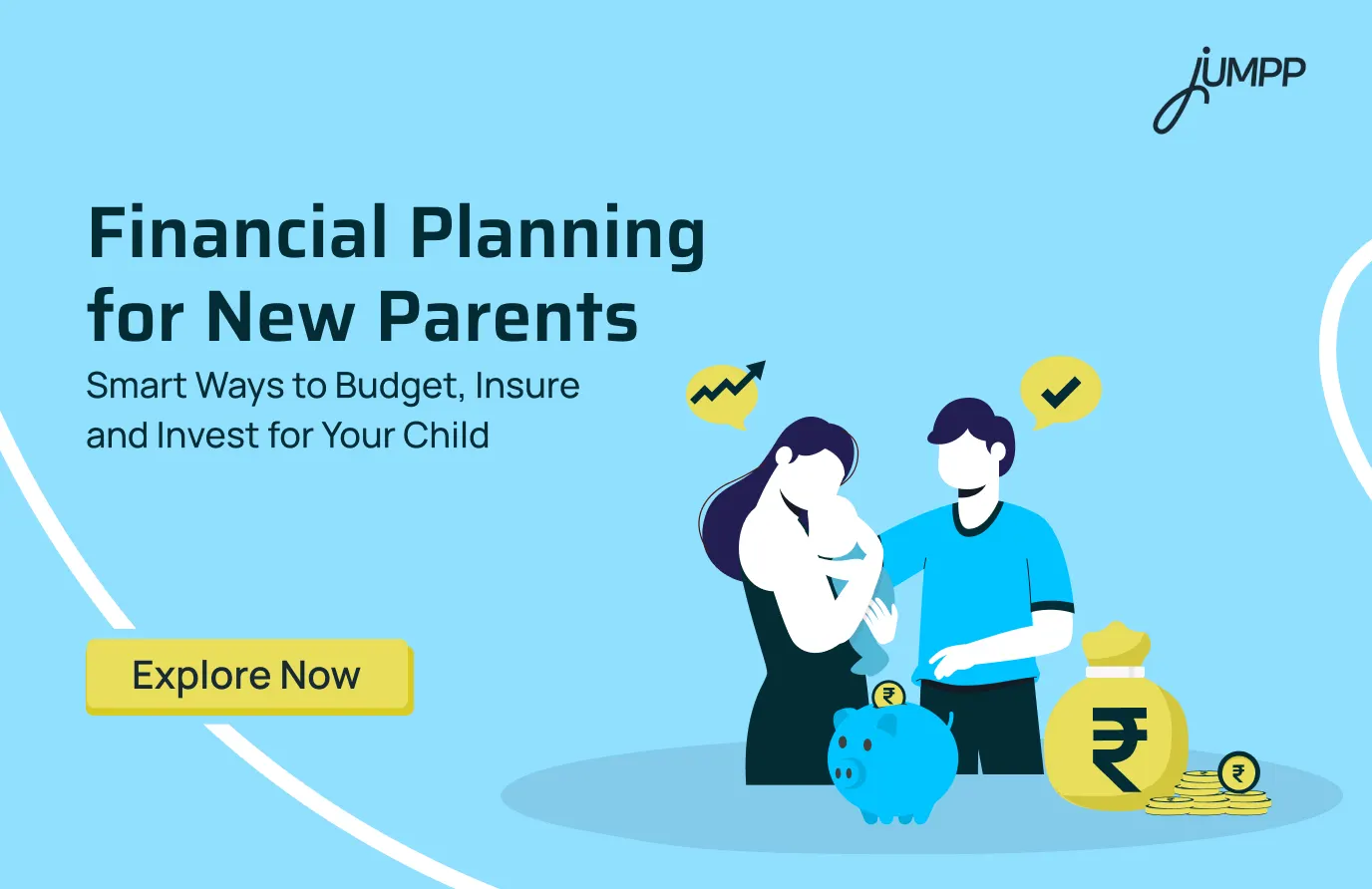
Becoming a parent is one of the best things that can happen to you. It is also one of the most expensive. For a middle to upper-middle-class urban family in India, the total cost of raising one child through age 21 can range between Rs 1.2 crore and Rs 1.5 crore. That number covers education, healthcare, food, clothing, and daily needs. It does not cover weddings, your retirement, or any financial emergencies along the way.
The good news is that none of this requires a large lump sum upfront. What it requires is a clear plan, started early. This guide covers every part of budgeting and financial planning for new parents.
Budgeting for New Parents
Budgeting for new parents means planning for both one-time baby expenses and ongoing monthly costs, while building a 3 to 6 month emergency fund to stay financially stable during the transition.
How much should new parents budget in India?
New parents in India should budget ₹30,000 to ₹75,000 for first-year medical expenses, along with regular monthly costs like diapers, formula, and childcare.
What are the key budgeting strategies for new parents?
- Separate one-time and recurring costs
Plan for one-time purchases such as a crib or stroller, and recurring expenses like diapers, vaccinations, and baby food. - Create a dedicated baby fund
Set aside savings specifically for prenatal, delivery, and early childcare expenses. Ideally, maintain 3 to 6 months of household expenses as a buffer. - Add the baby to health insurance early
Update your policy immediately after birth to cover hospitalisation, vaccinations, and unexpected medical costs. - Buy second-hand where possible
Use hand-me-downs or pre-owned items for clothes, toys, and furniture since babies outgrow them quickly. - Review life and term insurance
Increase coverage to ensure your child’s financial security in case of any unforeseen event. - Adjust for income changes
Plan for a possible shift to a single income during maternity or paternity leave and reduce non-essential spending accordingly.
Is Financial Planning for New Parents Important
Financial planning for new parents matters because income, expenses, and responsibilities shift all at once. You move from managing two incomes to supporting a new dependent, often while one partner takes a pay cut or a career break. Education inflation in India is nearly 10 to 12 percent per year, which means costs can overwhelm even financially stable families if planning is delayed.
Is it too late to start financial planning if my baby is already born?
No. The best time to start was during pregnancy. The second-best time is right now. Even a Rs 2,000 monthly SIP started today can compound into a meaningful corpus over 15 to 18 years.
What are the best financial tips for new parents?
Start by building a 6 to 12 month emergency fund, increasing your term and health insurance cover, and creating a separate budget for baby-related expenses. Begin a small SIP early for your child’s education, update nominations and your will, and continue your retirement investments without interruption.
How to Do Financial Planning for New Parents: Smart Steps for Long-Term Security
Here are the financial tips for new parents:
Step 1: Understand What Actually Changes in Your Budget
Financial planning for new parents starts with identifying one-time and monthly baby expenses.
The first year includes delivery, medical costs, and essential purchases. Monthly expenses like diapers, food, and childcare add consistent pressure.
What are the biggest monthly expenses for new parents in India?
Food, healthcare, childcare, and EMIs are the main recurring costs.
Key budgeting changes to plan for:
- One-time costs: Delivery, hospital bills, baby gear
- Monthly expenses: Diapers, food, medicines
- Childcare costs: Rs 8,000 to Rs 25,000 in metro cities
- Separate budgets: Baby expenses and long-term goals
Step 2: Build Your Emergency Fund First
An emergency fund for new parents should cover 6 to 12 months of expenses. This fund protects against income loss, medical emergencies, or unexpected baby costs.
How much should a new parent’s emergency fund be?
6 months of expenses for dual-income families and up to 12 months for single-income households.
While building your emergency fund for new parents, keeping funds accessible is crucial.
Opening a zero-balance savings account helps you manage daily expenses and maintain liquidity without disrupting your long-term financial planning.
How to build and manage an emergency fund for new parents-
- Include all expenses: Rent, EMIs, groceries, childcare
- Keep it liquid: Savings account or liquid mutual fund
- Do not invest: Avoid fixed deposits with penalties
- Access: Must be available within 24 hours
Step 3: Get Your Insurance in Order
The most important baby expenses planning requires term insurance and health insurance from day one. Insurance ensures your child is financially protected in any situation.
Insurance for New Parents: What to Buy and When
| Insurance Type | When to Buy |
| Health Insurance with Newborn Cover | Add within 30 to 90 days after birth |
| Family Floater Health Insurance | Before or immediately after birth |
| Maternity Insurance / Rider | Before pregnancy |
| Term Life Insurance | As early as possible, ideally before or immediately after birth |
What kind of life insurance do new parents need?
A pure term plan with coverage of 15 to 20 times annual income.
While doing financial planning for new parents, you must follow these insurance rules:
- Avoid: ULIPs, endowment, and child plans
- Keep separate: Insurance and investment
- Coverage range: Rs 2 crore to Rs 3.5 crore for most families
What health insurance should new parents buy?
New parents should buy a comprehensive Family Floater Health Insurance Policy that includes newborn coverage from day one, covering vaccinations, congenital diseases, and NICU expenses.
Step 4: Start Investing for Your Child’s Education
Investment for a child’s future should begin early to benefit from compounding. Education costs may reach Rs 40 to Rs 50 lakh in the next 15 to 18 years.
Which investment options work best for a child’s future in India?
The best investment options for a child’s future in India include the Sukanya Samriddhi Yojana (SSY) for girl children, Public Provident Fund (PPF) for safe, tax-free returns, and Equity Mutual Funds/SIPs for high long-term growth. Combining these with child-specific ULIPs provides insurance coverage
What is the best investment for a newborn baby in India?
You can combine SSY or PPF with equity mutual fund SIPs for balanced growth.
Want to understand how and when you can access your long-term savings? Read our complete guide on PPF Withdrawal Rules to plan your child’s future finances better.
Step 5: Tax Planning for New Parents
Tax planning helps new parents reduce taxes while building savings. Having a child opens up multiple deductions.
What tax benefits are available for new parents in India?
Deductions under Sections 80C and 80D are the most useful.
Key tax benefits:
- Section 80C: Tuition fees, SSY, PPF up to Rs 1.5 lakh
- Section 80D: Health insurance up to Rs 25,000
- EEE benefits: Tax-free returns on SSY and PPF
Step 6: Write a Will and Update Nominations
New parents must update their nominations and create a will to secure their child legally. This step prevents disputes and ensures asset transfer.
What to update:
- Bank accounts and fixed deposits
- EPF, PPF, and mutual funds
- Insurance policies
Additional step: Apply for Baal Aadhaar for documentation needs
Step 7: Do Not Sacrifice Your Retirement for Your Child’s Future
Retirement planning must continue alongside child planning. Stopping retirement investments creates long-term financial risk.
- You can take a loan for education
- You cannot take a loan for retirement
What to do instead:
- Continue SIPs, NPS, and EPF
- Reduce lifestyle expenses if needed
- Balance both goals without compromise
As part of budgeting for new parents, tracking your expenses and investments is essential. Using a wealth management app can help you manage baby expenses, monitor SIPs, and stay on top of your overall money planning after a baby.
Financial Checklist for New Parents in India
A financial checklist for new parents in India includes building an emergency fund, securing insurance, starting child education planning, and budgeting for baby-related expenses from day one.
| Category | What You Need to Do | How it Helps | Ideal Timeline |
| Emergency Fund for New Parents | Build 6 to 12 months of expenses in a liquid fund or savings account | Covers income loss, medical emergencies, and unexpected baby expenses | Before birth or within 3 months |
| Health Insurance for New Parents | Upgrade family floater and add newborn within 30 to 90 days | Ensures hospitalisation, vaccinations, and neonatal care coverage | Immediately after birth |
| Term Insurance (Life Cover) | Get 15 to 20 times annual income as cover for both parents | Secures the child’s financial future in worst-case scenarios | Before or immediately after birth |
| Budgeting for New Parents | Create a separate monthly budget for baby expenses (₹5,000 to ₹25,000+) | Helps manage rising recurring costs without disturbing long-term goals | Start in the pregnancy phase |
| Baby Expenses Planning | Plan for delivery (₹1.5 lakh to ₹2 lakh+), vaccinations, and essentials | Avoids sudden financial stress in the first year | Pre-delivery |
| Child Education Planning | Start SIP (₹2,000 to ₹5,000 monthly) in equity mutual funds | Builds a long-term corpus to beat education inflation | Within the first 6 months |
| Investment for Child’s Future | Use SSY (for girl child), PPF, and mutual funds together | Balances safety, tax savings, and growth | Early stage, continue long-term |
| Tax Planning for Parents | Use Section 80C, 80D, SSY, PPF, and tuition fee deductions | Reduces the overall tax burden while saving for a child | Start in the first financial year |
| Money Planning After Baby | Adjust income, expenses, and savings ratio post maternity or career break | Ensures stability despite income changes | Immediately after birth |
| Update Nominees & Will | Update bank, EPF, insurance, Demat, and create a will | Prevents legal complications and secures the child’s rights | Within 3 to 6 months |
| Documents (Baal Aadhaar) | Apply for a birth certificate and Aadhaar | Required for school, insurance, and investments | Within the first few months |
| Retirement Planning | Continue NPS, EPF, or SIP without interruption | Prevents future financial dependency on your child | Ongoing |
Money Planning After Baby
Money planning after a baby means updating your budget, building an emergency fund, securing insurance, and starting early investments.
You should focus on adjusting expenses, maintaining 6 to 12 months of savings, upgrading health and term insurance, and starting a small SIP for your child’s future while continuing your retirement planning.
Also check – Financial planning for new couples
Disclaimer– The rankings and figures in this article have been compiled from multiple verified reports, credible news sources, and public financial data available as of 2026.
All values are approximate and may vary with newer updates, revisions, or changes in official records.
Financial Tips for New Parents – FAQs
There is no universal answer, but a workable starting target is to direct 20 to 25 percent of your combined take-home income toward financial goals. This includes the child’s education SIP, your retirement SIPs, and insurance premiums.
Build your emergency fund before anything else. Six months of expenses, liquid and accessible. Once that is in place, get your term insurance sorted, then start investing.
Urban families typically spend Rs 2 to Rs 5 lakh per year per child, driven by private school fees, healthcare, and lifestyle costs. That translates to Rs 40 lakh to Rs 1 crore just for the years between birth and age 18, before higher education is factored in.
From birth. The earlier you begin, the less you need to invest each month, because compounding does the heavy lifting over 18 years. Delaying by five years can mean you need to invest nearly twice the monthly amount to reach the same goal.