Emergency Fund Benefits in India- How Much to Save & Where to Keep It
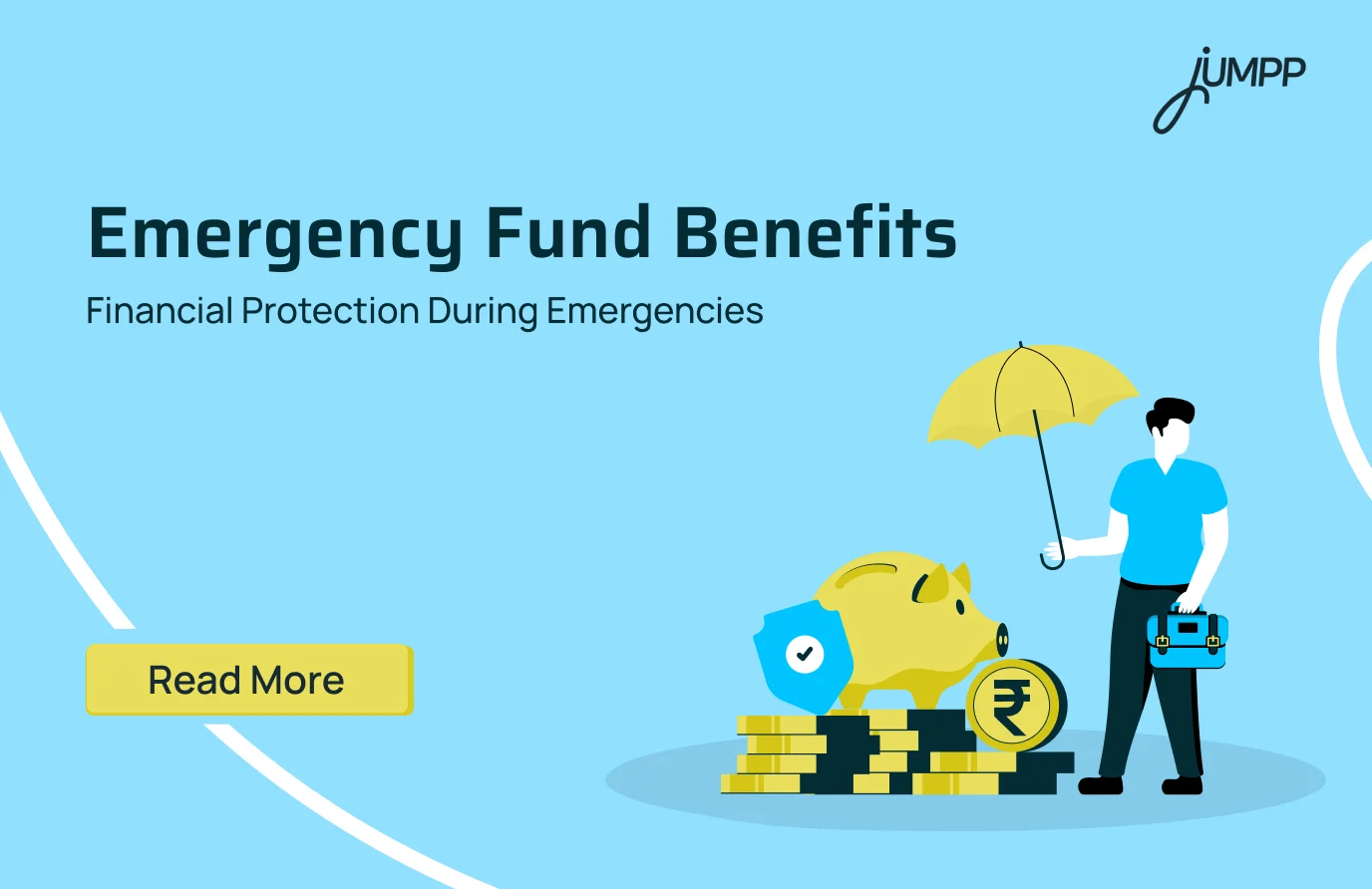
Many people focus on investments, SIPs, insurance, or savings goals but often overlook one of the most important parts of financial planning: an emergency fund.
Unexpected situations like medical emergencies, job loss, urgent repairs, or temporary income disruption can affect financial stability at any time. Without emergency savings, individuals may need to rely on debt or withdraw long-term investments during difficult periods. In this blog, explore emergency fund benefits in detail.
What Is an Emergency Fund?
An emergency fund is a dedicated pool of money kept aside to manage unexpected financial situations like medical emergencies, job loss, urgent home repairs, car breakdowns, or sudden travel expenses.
Emergency funds are usually kept in safe and easily accessible options like savings accounts or liquid funds.
Why You Need an Emergency Fund
An emergency fund is important because financial emergencies can happen unexpectedly and may affect income, savings, or regular expenses.
Without emergency savings, individuals may need to borrow money, use credit cards, or sell investments during urgent situations. This can increase financial stress and create additional debt.
An emergency fund helps individuals stay financially prepared for situations such as:
- Job loss or salary delays
- Medical emergencies
- Unexpected travel expenses
- Urgent home or vehicle repairs
- Temporary business or income slowdown
Having emergency savings can provide greater financial confidence and stability during uncertain times.
Is an Emergency Fund Necessary?
Yes, an emergency fund is considered necessary because it helps manage unexpected financial situations without disturbing long-term investments or depending heavily on debt.
Having emergency savings can help individuals continue managing essential expenses even during financially difficult periods.
Here are some key reasons why an emergency fund is important.
Emergency Fund Benefits
One of the biggest aspects of an emergency fund’s importance is that it helps individuals manage financial shocks without disturbing long-term investments or relying heavily on debt.
Here are some emergency fund benefits:
- Helps Avoid High-Interest Debt
It reduces dependence on credit cards, personal loans, or informal borrowing during emergencies. This can help individuals avoid high interest costs during financially stressful situations. - Protects Long-Term Investments
Investors may not need to break fixed deposits, sell mutual funds, or withdraw long-term investments prematurely. This helps keep long-term financial goals on track. - Provides Financial Stability
An emergency fund can help cover essential expenses such as rent, EMIs, groceries, utilities, and insurance premiums during income disruption or temporary job loss. - Offers Quick Liquidity
Emergency funds are usually kept in easily accessible accounts. This way, money is available quickly during urgent situations where immediate cash may be required.
During emergencies, digital payments become extremely important. Knowing the gpay limit per day can help ensure smooth transactions for urgent medical bills, travel bookings, or essential purchases.
- Supports Better Financial Planning
An emergency fund allows individuals to continue working towards their long-term financial goals without major disruptions caused by sudden expenses.
Emergency Fund Rules
Here are some commonly followed emergency fund rules in India –
- You must maintain at least 3 to 6 months of essential expenses.
- It is important to keep emergency savings separate from daily spending accounts.
- You should always use the fund only for genuine emergencies.
- Focus on liquidity and safety instead of high returns.
- Rebuild the emergency fund after withdrawals.
- Don’t forget to review the emergency fund amount regularly based on lifestyle and income changes.
How Much Emergency Fund Should I Have?
Most financial experts recommend keeping an emergency fund equal to at least 3 to 6 months of essential living expenses. This amount can help cover unexpected situations like job loss, medical emergencies, urgent repairs, or temporary income disruption.
However, the ideal emergency fund amount may vary depending on your income stability, family responsibilities, lifestyle, and financial commitments.
Here is a general guideline:
- 3 Months of Expenses
This may be suitable for individuals with stable jobs, fewer financial responsibilities, or additional family support. - 6 Months of Expenses
This is commonly recommended for salaried individuals managing EMIs, rent, insurance, or family-related expenses. - 6 to 12 Months of Expenses
A larger emergency fund may be more suitable for self-employed individuals, freelancers, business owners, or people with irregular income sources.
When calculating your emergency fund, include essential monthly expenses such as:
- Rent or home loan EMI
- Utility bills
- Groceries
- Insurance premiums
- School fees
- Loan repayments
- Basic transportation and medical expenses
Emergency funds are usually kept in easily accessible options like savings accounts or liquid funds, so the money remains available during urgent situations.
Know the difference between a savings account and a salary account!
Where to Keep an Emergency Fund in India?
An emergency fund should be kept in safe, low-risk, and easily accessible options.

Here are some common places to keep an emergency fund in India:
- Savings Account
A savings account offers instant liquidity and easy access to funds. Many experts recommend keeping at least a portion of the emergency fund here for immediate needs.
Want to manage your emergency savings more efficiently? Understanding the cash deposit limit savings account rules can help you avoid banking issues while maintaining easy access to emergency funds.
- Liquid Mutual Funds
Liquid funds invest in short-term debt instruments and are considered relatively low risk compared to equity investments. They may offer better returns than regular savings accounts while maintaining reasonable liquidity. - Fixed Deposits (FDs)
Fixed deposits can be useful for the portion of the emergency fund that may not be needed immediately. Some investors also prefer splitting FDs into smaller amounts for better flexibility during withdrawals. - Sweep-in Fixed Deposits
Sweep-in FDs combine savings account liquidity with FD-like interest rates. Excess money is automatically moved into deposits while remaining accessible when required. - Overnight or Ultra Short Duration Funds
Some investors use overnight or ultra short duration debt funds for a part of their emergency corpus because they focus on short-term securities and relatively lower volatility.
Emergency Fund Examples
Here are some common emergency fund examples:
- Medical emergencies or hospital bills
- Job loss or temporary salary cuts
- Urgent home repairs
- Vehicle breakdown or repair costs
- Emergency travel expenses
- Family emergencies
- Temporary business slowdown
- Unexpected insurance or utility payments
These situations can create financial pressure, and emergency savings can help manage them without relying heavily on loans or credit cards.
Emergency Fund vs Savings
An emergency fund and regular savings serve different financial purposes, even though both involve setting money aside.
Here is the difference between emergency fund and savings:
| Feature | Emergency Fund | Regular Savings |
| Purpose | Financial emergencies | Planned expenses and goals |
| Usage | Unexpected situations | Travel, shopping, gadgets, education, etc. |
| Accessibility | Highly liquid | Depends on savings type |
| Risk Level | Low-risk and safe | May vary |
| Priority | Financial protection | Goal-based financial planning |
An emergency fund is specifically meant for urgent and unplanned situations, while regular savings are usually created for planned future expenses.
Disclaimer– The rankings and figures in this article have been compiled from multiple verified reports, credible news sources, and public financial data available as of 2026.
All values are approximate and may vary with newer updates, revisions, or changes in official records.
Emergency Fund Benefits – FAQs
Yes, one of the major emergency fund benefits is reduced dependence on credit cards, personal loans, or informal borrowing during urgent financial situations.
Yes, emergency fund benefits include protecting long-term investments like fixed deposits and mutual funds from premature withdrawal during emergencies.
Yes, emergency fund benefits can help individuals continue managing essential expenses like rent, EMIs, groceries, and utility bills during temporary unemployment or salary delays.
Long-term emergency fund benefits include better financial discipline, improved financial preparedness, and greater stability during uncertain situations.
Yes, emergency fund benefits are mainly related to financial protection during unexpected situations, while regular savings are usually meant for planned goals or purchases.
Yes, even small emergency savings can provide financial support during urgent situations and help beginners build better financial habits over time.