What is a SWIFT Code? Meaning, Purpose, Format and How to Find It
International money transfers can involve banks in different countries, currencies and payment systems. Getting the right bank details is therefore important to ensure the payment reaches the intended account. One of the key details used for cross-border transfers is a SWIFT code.
Now, what exactly is a SWIFT code in banking, and how does it work?
Let’s learn!
What is a SWIFT Code in Banking?
The full form of SWIFT in banking is Society for Worldwide Interbank Financial Telecommunication.
A SWIFT code is an 8 or 11-character identification code used to identify a bank or financial institution for international transactions. It helps banks identify where payment instructions need to be sent during a cross-border transfer.
SWIFT codes are also known as SWIFT/BIC codes or BIC codes. They are used by financial institutions across countries to identify banks involved in international payments.
What is the Purpose of a SWIFT Code?
The primary SWIFT code’s purpose is to identify the bank involved in an international payment.
It helps financial institutions:
- Identify the receiving or sending bank
- Route payment instructions correctly
- Reduce errors in international transactions
- Communicate securely with other financial institutions
- Process cross-border payments through the appropriate banking channels
A SWIFT code therefore works like a standardised digital address for a bank in an international payment network.
How Does a SWIFT Code Work?
A SWIFT code helps identify the bank that should receive or process an international payment instruction.
The process generally works as follows:
1. Payment Initiation: The sender provides the recipient’s bank details, account information, and SWIFT code to their bank.
2. SWIFT Message: The sender’s bank sends a secure payment instruction through the SWIFT network.
3. Correspondent Bank: If the two banks do not have a direct relationship, one or more intermediary or correspondent banks may be involved.
4. Payment Settlement: The relevant financial institutions process and settle the payment.
5. Account Credit: The recipient’s bank credits the funds to the recipient’s account after completing the required checks and processing.
What Is the SWIFT Code Format?
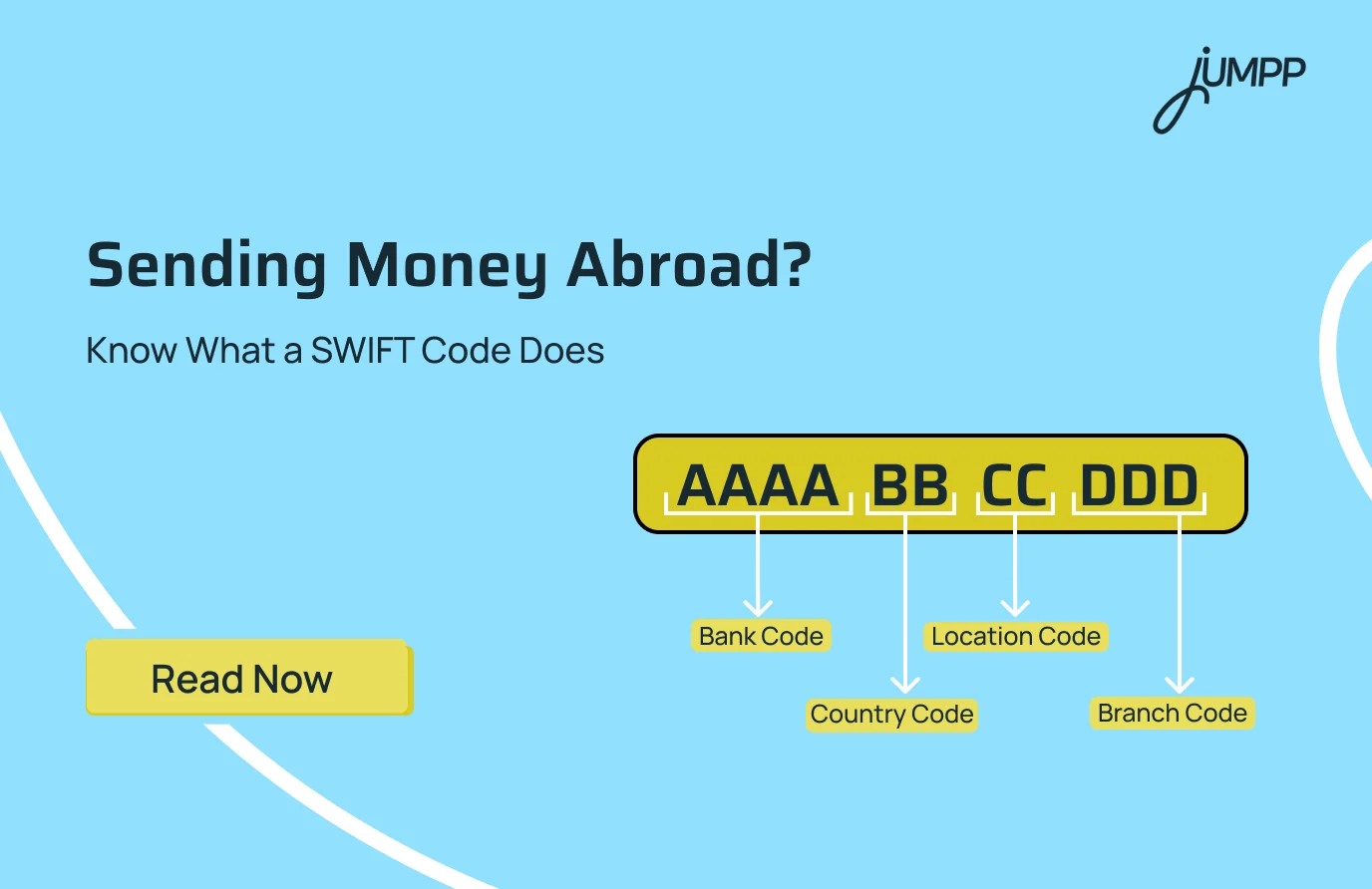
A SWIFT code format contains either 8 or 11 characters.
It is divided into four parts:
| Part | Characters | Purpose |
| Bank Code | 4 letters | Identifies the bank |
| Country Code | 2 letters | Identifies the country |
| Location Code | 2 characters | Identifies the bank’s location |
| Branch Code | 3 characters | Identifies a specific branch |
The basic structure is
AAAA BB CC DDD
The first eight characters identify the bank and its location. The additional three characters can identify a particular branch.
Here is a SWIFT Code Example—
A commonly used example is ICICINBBXXX.
Its structure can be understood as follows:
| Characters | Meaning |
| ICIC | Bank identifier |
| IN | India |
| BB | Location identifier |
| XXX | Branch or primary office identifier |
The exact SWIFT code required for a transaction should always be confirmed with the bank because different branches or banking entities may have different codes.
How to Find a SWIFT Code?
Before making an international transfer, you should check the bank’s SWIFT code carefully to ensure it matches the recipient’s bank and location.
You can verify it through:
- Bank Statement: Check your physical or digital bank statement for international banking details.
- Online Banking: Log in to your bank’s website or mobile banking platform and check the account or international transfer details.
- Bank Website: Visit the bank’s official website and look for information about international transfers or SWIFT/BIC details.
- Bank Branch or Customer Support: Contact the bank directly if you are unsure which SWIFT code applies to your account.
Is a SWIFT Code Mandatory for International Transfer?
A SWIFT code is commonly required for international bank transfers, particularly when the payment route uses the SWIFT network.
However, the exact information required depends on the banks, countries, payment systems and type of transfer involved. Some international payment arrangements may use other identifiers or systems.
Therefore, the sender should confirm the required details with their bank before initiating the transfer.
Managing your money becomes easier when you can keep track of your finances in one place. With jUMPP, you can monitor your spending, manage your budget, and stay on top of your financial goals.
Download jUMPP, your AI-powered expense tracker app for smarter everyday money management!
What is the SWIFT Transfer Process?
The SWIFT transfer process involves several financial institutions and steps, depending on the countries, currencies and banks involved.
A typical international transfer follows this process:
Sender → Sending Bank → SWIFT Network → Correspondent Bank, if required → Recipient’s Bank → Recipient
The sender first provides the required payment and bank details. The sending bank then communicates the payment instructions through the SWIFT network. If an intermediary bank is needed, it helps process the transaction before the recipient’s bank receives and credits the funds.
The exact process can vary depending on the banks and payment route involved.
SWIFT Code vs IFSC Code – What is the Difference?
SWIFT codes are primarily used for international payments, while IFSC codes are used to identify banks and branches for domestic transfers in India.
| Feature | SWIFT / BIC Code | IFSC Code |
| Full Form | Society for Worldwide Interbank Financial Telecommunication | Indian Financial System Code |
| Main Use | International transfers | Domestic transfers in India |
| Length | 8 or 11 characters | 11 characters |
| Geographic Scope | International | India |
| Commonly Used For | International wire transfers | NEFT, RTGS and IMPS |
| Structure | 4-2-2-3 characters | 4 letters, 0, 6 characters |
Why Is a SWIFT Code Important?
The importance of a SWIFT code comes from its role in identifying financial institutions during international transactions.
- Accurate Routing: A SWIFT code helps identify the correct bank for a cross-border payment.
- Standardised Identification: Banks across countries can use a common identification format.
- Secure Communication: The SWIFT network enables financial institutions to exchange payment instructions through a secure messaging system.
- Fewer Processing Errors: Correct bank identification can help reduce mistakes when routing international payment instructions.
- Efficient International Banking: SWIFT supports communication between financial institutions involved in cross-border transactions.
For individuals and businesses receiving international payments, providing the correct SWIFT code can help the bank identify the intended destination institution.
Also read: OVD full form in banking and its purpose!
Disclaimer- The rankings and figures in this article have been compiled from multiple verified reports, credible news sources, and public financial data available as of 2026.
All values are approximate and may vary with newer updates, revisions, or changes in official records.
FAQs
A SWIFT code identifies a bank for international transfers, while the SWIFT network carries payment instructions between financial institutions.
It is used to identify the receiving or sending bank when processing international payments.
You can check your bank’s official website, online banking account, bank statement or contact the bank directly.
No. A SWIFT code is mainly used for international transfers, while an IFSC code is used for domestic electronic transfers in India.
No. SWIFT codes are assigned to participating financial institutions that use the SWIFT network for financial messaging.
A SWIFT code is commonly required for international transfers using the SWIFT network, although requirements can vary by bank and payment route.
A SWIFT code has 8 or 11 alphanumeric characters, so it is not made up of digits alone.
An incorrect SWIFT code can delay, reject or misroute a payment. Contact your bank immediately if you notice an error.
No. A bank may use one SWIFT code for multiple branches, while some branches may have a separate 11-character code.
No. A SWIFT code identifies the bank, while a bank account number identifies the customer’s account.
A Bank Identifier Code (BIC) is the standardised identification code used to identify a financial institution. A SWIFT code and BIC code generally refer to the same identification system. The codes follow the international ISO 9362 standard and are commonly called SWIFT codes, BIC codes or SWIFT/BIC codes.