What is DBT in Bank? Check Eligibility, Benefits, and DBT Schemes
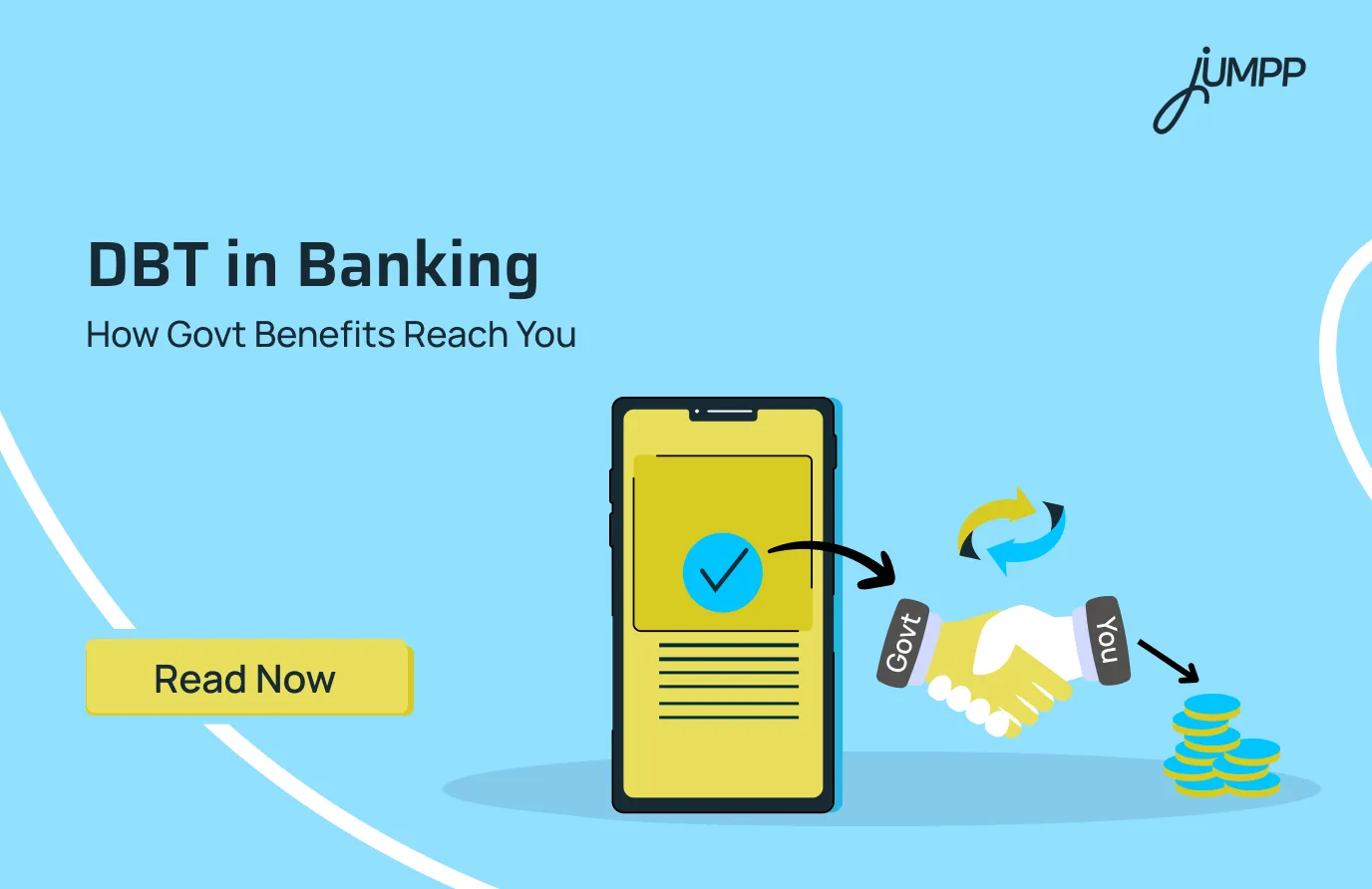
Earlier, receiving government benefits often involved long processes, delays, and multiple intermediaries. To make this system faster and more transparent, the Government of India introduced DBT.
What is DBT, and how does it work?
What is DBT in Bank?
DBT’s full form is Direct Benefit Transfer.
Direct Benefit Transfer, or DBT, is a system introduced by the Government of India to deliver financial benefits directly to citizens. Instead of transferring funds through multiple departments or intermediaries, the government sends the approved amount directly to the beneficiary’s bank account.
What are the Objectives of DBT in banking?
DBT Bharat helps ensure that eligible citizens receive their payments securely and on time. It is commonly used for government subsidies, scholarships, pensions, employment benefits, and other welfare schemes.
Some key objectives of DBT include:
- Reducing delays in government benefit payments.
- Removing the need for middlemen in fund transfers.
- Ensuring accurate delivery of subsidies and financial assistance.
- Improving transparency in welfare schemes.
- Encouraging financial inclusion by connecting more citizens with banking services.
How Does DBT Work?
The DBT process connects government schemes with beneficiaries through the banking system.
Here is how DBT works:
- A person applies for a government scheme and provides the required details.
- The government verifies the beneficiary’s eligibility.
- The approved benefit amount is processed through the DBT system.
- The DBT payment is transferred directly into the beneficiary’s linked bank account.
- The beneficiary receives the amount without involving any middlemen.
Since DBT payments are credited directly to bank accounts, having an active savings account is important. You can now open a zero-balance savings account online and manage your everyday banking needs easily.
Types of Direct Benefit Transfer (DBT)
DBT benefits are mainly provided in two ways:
1. Cash Transfer
Under DBT cash transfers, the benefit amount is directly credited to the beneficiary’s bank account. Examples include pensions, scholarships, and schemes like PM-KISAN.
2. In-Kind Transfer
Under DBT in-kind benefits, eligible beneficiaries receive goods or services at subsidised rates. The government provides support through the concerned departments or service providers.
DBT has made government payments faster through digital banking systems. Learn about IMPS transfers and how instant bank-to-bank payments work in India.
Who is Eligible for DBT Government Payment?
Eligibility for DBT govt payment depends on the rules of the specific government scheme. Generally, beneficiaries may include farmers, students, senior citizens, women, and other eligible groups covered under different welfare programmes.
To receive DBT payments, beneficiaries usually need:
- Eligibility under the selected government scheme.
- An active bank account for receiving payments.
- Required identity and application details.
- Aadhaar and bank account linking, wherever applicable.
If multiple bank accounts are linked with Aadhaar, only one account remains active for Aadhaar-based DBT payments through the NPCI mapper. Usually, the latest bank account seeded for DBT becomes the active account for receiving future benefits.
What are the Types of DBT Schemes in India
DBT Bharat includes various government schemes across different categories.
Some common types of DBT schemes are:
| Category of DBT Scheme | Examples |
| Agriculture Schemes | PM-KISAN, Pradhan Mantri Fasal Bima Yojana, and others |
| Pension Schemes | Atal Pension Yojana, National Social Assistance Programme, and others |
| Scholarship Schemes | National Scholarship schemes, Post-Matric Scholarships, and others |
| Employment and Welfare Schemes | MGNREGA, PM Awas Yojana, and others |
| Subsidy Schemes | PAHAL LPG Subsidy, Pradhan Mantri Ujjwala Yojana, and others |
The eligibility criteria and DBT payment amount vary depending on the selected government scheme.
Exploring Financial Support Beyond DBT Schemes
Many government welfare programs focus on healthcare and financial security. If you’re looking for additional protection against medical expenses, understanding Hospital Cash Insurance can help you prepare for unexpected hospitalization costs.
What are DBT Benefits?
Direct Benefit Transfer offers several benefits for both citizens and the government, such as:
- Direct transfer of benefits into the beneficiary’s bank account.
- Faster and more transparent payment processing.
- Reduced dependency on middlemen.
- Lower chances of duplicate or incorrect payments.
- Better tracking of government fund distribution.
- Improved access to financial services.
Why DBT Payments May Fail
Sometimes DBT payments may fail due to:
- Incorrect Aadhaar and bank details
- Inactive or dormant bank account
- Pending bank KYC updates
- Aadhaar mapping issues with the bank account
Beneficiaries should check their bank account status and Aadhaar linking details if they do not receive expected payments.
Conclusion
Direct Benefit Transfer (DBT) has made government benefit distribution faster, more transparent, and secure by transferring funds directly to eligible beneficiaries’ bank accounts.
As digital banking continues to grow, DBT plays an important role in improving financial inclusion and ensuring welfare benefits reach the right people efficiently.
Disclaimer- The rankings and figures in this article have been compiled from multiple verified reports, credible news sources, and public financial data available as of 2026.
All values are approximate and may vary with newer updates, revisions, or changes in official records.
FAQs
You can check your DBT link by verifying your Aadhaar bank seeding status through the UIDAI MyAadhaar portal or NPCI Aadhaar mapping service. It shows whether your Aadhaar is mapped with a bank account to receive Aadhaar-based DBT payments.
Yes, DBT is widely used across India for government benefit transfers. According to DBT Bharat, the platform covers 320+ schemes across 56 ministries, with cumulative transfers of more than ₹51 lakh crore.
Some DBT limitations include Aadhaar and bank detail mismatches, verification issues, connectivity challenges, and access barriers in some regions. Also, only one bank account can remain active in the NPCI mapper for Aadhaar-based DBT payments.
After submitting the Aadhaar seeding request, the bank verifies your details and updates Aadhaar mapping through the required systems. The process generally takes a few working days, depending on the bank.
Bank of India customers can activate DBT by linking Aadhaar through internet banking, mobile banking, or branch services. Users need to submit Aadhaar details, provide consent for DBT mapping, and complete verification.
DBT helps reduce delays, duplicate beneficiaries, and payment leakages by sending benefits directly to eligible citizens. The system improves transparency and has generated estimated gains of over ₹5 lakh crore.
You can complete Aadhaar seeding through your bank’s internet banking, mobile app, or branch by submitting Aadhaar details and consent for DBT. Once verified, the bank updates the Aadhaar mapping status.
Aadhaar is commonly required for receiving several government subsidies and benefits under DBT. However, Aadhaar requirements may vary depending on the scheme and applicable government guidelines.
DBT is used in banking to transfer subsidies, pensions, scholarships, and other welfare benefits directly to citizens. It supports faster payments, better tracking, and transparent delivery of government funds.