10 EMI Management Strategies That Can Actually Work in Real Life
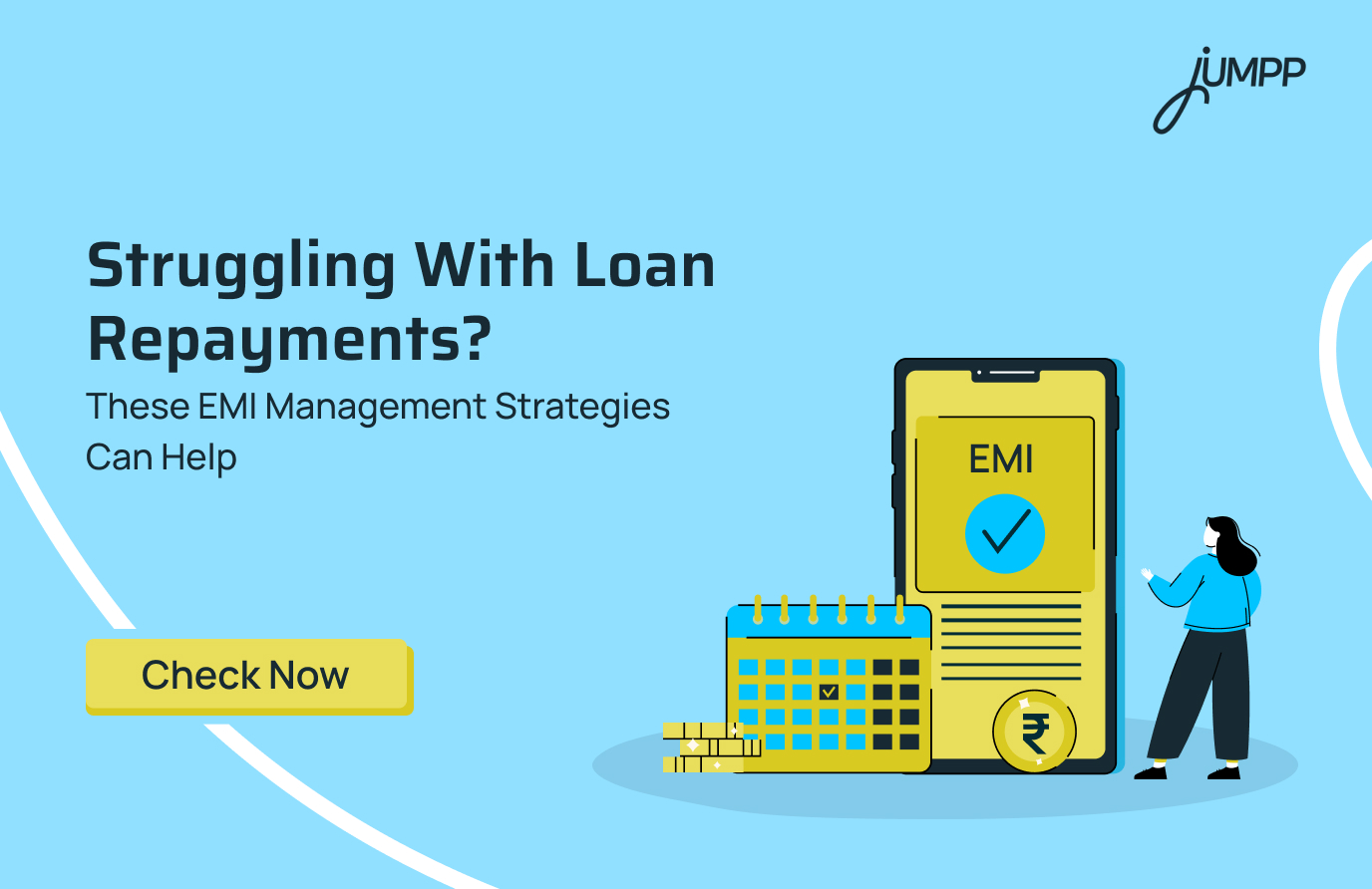
Managing EMIs becomes challenging when a significant portion of your monthly income goes towards loan repayments. Whether it is a home loan, personal loan, car loan, or multiple loans, poor repayment planning can affect savings, investments, and everyday expenses.
The good news is that a few practical EMI management strategies can help you stay on track, avoid penalties, and reduce financial stress. Here are 10 proven ways to manage multiple EMIs more effectively.
Top 10 EMI Management Strategies at a Glance
| EMI Management Strategy | How It Helps |
| Create a monthly EMI budget | Improves cash flow management |
| Keep EMIs below 40% of income | Prevents financial stress |
| Set up auto-debit payments | Helps avoid missed EMIs |
| Build an emergency EMI fund | Protects repayments during emergencies |
| Track all loans in one place | Improves loan management |
| Prioritise high-interest loans | Reduces interest costs |
| Make part-prepayments | Lowers outstanding debt faster |
| Consolidate loans when needed | Simplifies repayment obligations |
| Avoid unnecessary new loans | Prevents EMI overload |
| Review loan terms regularly | Helps identify savings opportunities |
Let us explore these EMI management strategies in detail:
1. Create a Monthly EMI Budget
One of the most effective EMI budgeting strategies is setting aside money for loan repayments as soon as your salary is credited.
Many borrowers pay EMIs from whatever remains after spending on other expenses. This often leads to cash flow issues towards the end of the month.
Instead, treat EMIs as a fixed expense just like rent, electricity bills, or insurance premiums. A dedicated budget helps ensure repayments are never delayed.
2. Keep Total EMIs Below 40% of Your Income
A common reason borrowers struggle with repayments is taking on more debt than their income can comfortably support.
As a general guideline, total EMIs should ideally remain below 40% of your monthly take-home salary.
For example:
| Monthly Income | Recommended Maximum EMIs |
| ₹50,000 | ₹20,000 |
| ₹75,000 | ₹30,000 |
| ₹1,00,000 | ₹40,000 |
Following this rule can improve cash flow and support better EMI financial planning.
3. Set Up Auto-Debit Payments
Missing an EMI can result in late payment charges and negatively affect your credit score.
One of the simplest ways to avoid missing EMI payments is to automate repayments.
You can use:
- Auto-debit mandates
- Standing instructions
- Mobile banking reminders
- Calendar alerts
Automation reduces the chances of forgetting repayment dates and helps maintain a strong repayment history.
Know What Auto Debit Is and Why Everyone Is Using It for EMIs?
4. Build an Emergency EMI Fund
Unexpected situations such as job loss, medical emergencies, or urgent home repairs can affect your ability to repay loans.
This is why every borrower should maintain an emergency fund specifically for EMI payments. Ideally, the fund should cover at least three to six months of EMIs. Among all EMI planning tips, this is one of the most important yet often ignored.
Know how to build an easy-to-follow emergency fund for yourself!
5. Track All Loans in One Place
Managing one loan is simple.
However, managing a home loan, personal loan, vehicle loan, and credit card EMIs together can quickly become overwhelming.
A good way to stay organised is to track key details such as:
- Loan type
- EMI amount
- Interest rate
- Due date
- Outstanding balance
Having all this information in one place makes loan EMI management much easier and helps you spot upcoming repayments before they become a problem.
An easy-to-use wealth management app can help by bringing your loans, investments, assets, and net worth into one place. With a complete view of your finances, tracking repayment obligations and managing multiple EMIs becomes much simpler and more organised.
6. Prioritise High-Interest Loans First
Not all loans carry the same interest rate. Personal loans, consumer durable loans, and credit card EMIs usually cost more than home loans.
One of the smartest EMI repayment strategies is to focus extra repayments on high-interest loans while continuing regular payments on other loans.
This approach reduces overall interest costs and helps borrowers become debt-free faster.
Personal Loan EMI Tip
Whenever you receive a bonus, incentive, or tax refund, consider using a portion of it to reduce high-interest personal loan balances.
7. Make Part-Prepayments Whenever Possible
Part-prepayments directly reduce the principal amount of your loan.
Even a small prepayment can:
- Lower future interest costs
- Reduce loan tenure
- Improve repayment flexibility
This is especially useful for home loan borrowers because long repayment tenures often result in substantial interest payments.
Home Loan EMI Tip
Many lenders allow partial prepayments without significant charges. Using annual bonuses or salary increments for prepayments can generate meaningful savings over the life of the loan.
8. Consolidate Loans If Repayments Become Difficult
Borrowers managing several loans may find it difficult to remember multiple due dates and repayment amounts.
In such situations, loan consolidation can be helpful.
Debt consolidation combines multiple debts into a single repayment obligation.
Potential benefits include:
- One EMI instead of several
- Easier repayment tracking
- Better financial organisation
- Potentially lower borrowing costs
This is one of the most practical debt management strategies for borrowers struggling with multiple EMIs.
Choosing the right loan can make EMI management much easier. Learn the key differences between a personal loan vs gold loan and find out which option may suit your financial needs better.
9. Avoid Taking Unnecessary New Loans
Every new loan increases your monthly repayment obligations.
Before applying for another loan, ask yourself:
- Is this purchase essential?
- Can I pay for it through savings?
- Will another EMI affect my financial goals?
Avoiding unnecessary borrowing is a key part of smart EMI management and helps maintain financial flexibility.
10. Review Loan Terms Regularly
Many borrowers stop paying attention to their loans after approval.
However, regularly reviewing your loan can reveal opportunities to save money.
Look for:
- Lower interest rates
- Balance transfer options
- Refinancing opportunities
- Faster repayment options
A simple annual review can help reduce EMI burden and improve long-term financial outcomes.
What Are the Best Suggestions to Pay EMI on Time?
Paying EMIs on time helps avoid penalties, protects your credit score, and keeps your loan repayment journey stress-free. S
Some simple habits can make timely repayments much easier.
- Set up auto-debit payments to ensure EMIs are deducted automatically on the due date.
- Keep a sufficient balance in your account a few days before the EMI date.
- Align EMI dates with salary credits to avoid cash flow issues.
- Set mobile and calendar reminders as a backup, even if auto-debit is enabled.
- Maintain an emergency fund that can cover at least three to six months of EMIs.
- Track all active loans regularly so that no repayment is overlooked.
- Avoid taking multiple loans unnecessarily if your current EMIs already consume a large portion of your income.
- Review your monthly budget frequently to ensure EMI payments remain affordable.
Following these suggestions to pay EMI on time can help borrowers avoid missed payments, maintain a healthy credit profile, and manage loan obligations more confidently.
Final Thoughts
The best EMI management strategies focus on planning, discipline, and consistency. Creating a budget, automating repayments, building emergency savings, and prioritising expensive debt can help borrowers stay financially stable while meeting repayment obligations.
Disclaimer– The rankings and figures in this article have been compiled from multiple verified reports, credible news sources, and public financial data available as of 2026.
All values are approximate and may vary with newer updates, revisions, or changes in official records.
Best EMI Management Strategies – FAQs
You can manage EMI payments effectively by creating a budget, automating repayments, maintaining emergency savings, and tracking all loans regularly.
The best ways to manage EMIs include budgeting, timely repayments, part-prepayments, loan tracking, and avoiding unnecessary borrowing.
Auto-debit facilities, payment reminders, and maintaining sufficient account balances can help avoid missed EMI payments.
Track all loans in one place, prioritise high-interest debt, and consider loan consolidation if repayments become difficult.
Yes. You may reduce EMI burden through part-prepayments, refinancing, balance transfers, or loan consolidation, depending on your lender’s policies.