Difference Between Assets and Liabilities – What You Own vs What You Owe
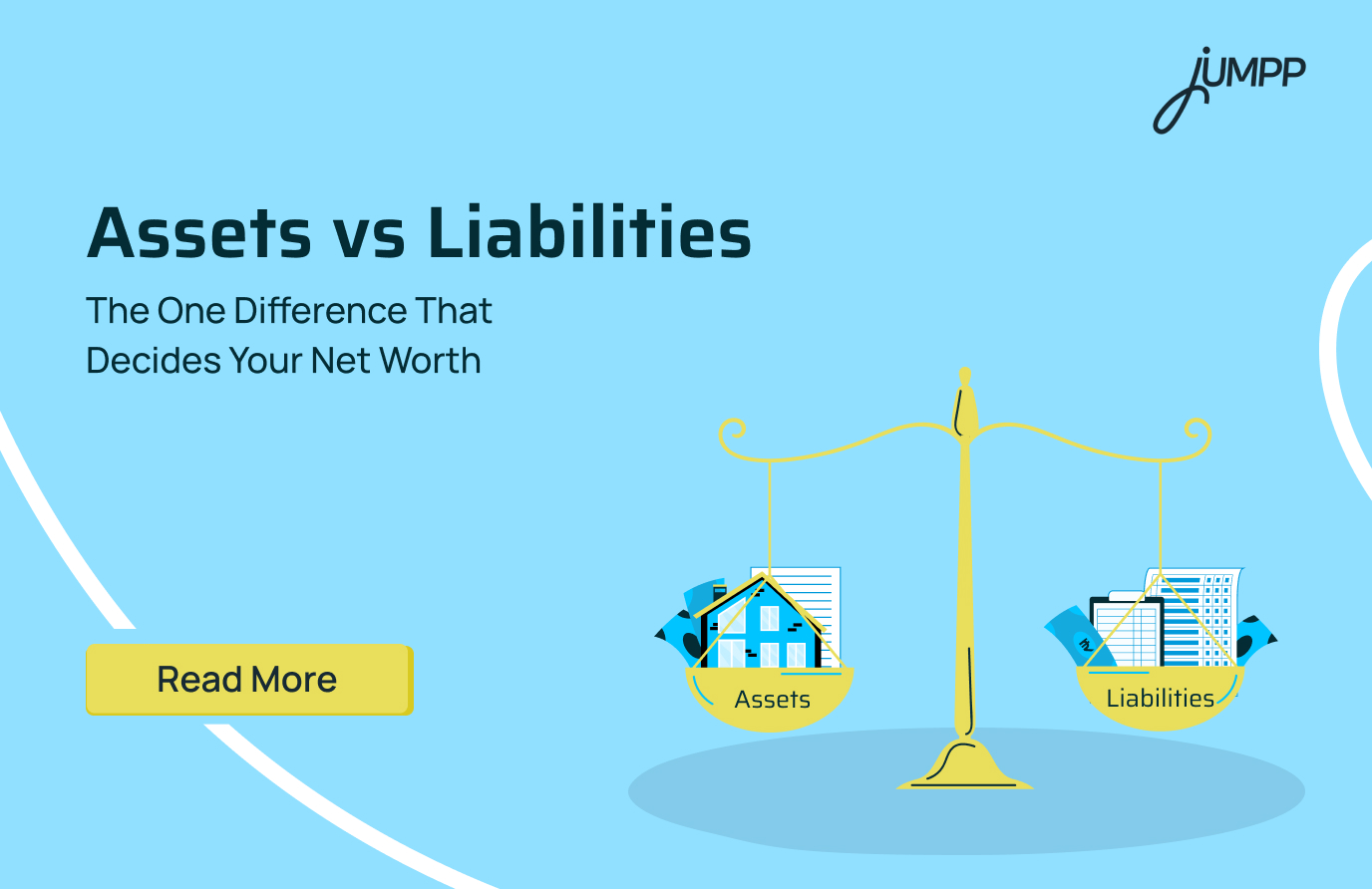
Most people earn, spend, save, and repeat this cycle for years without ever understanding where they actually stand financially. The real answer does not lie in how much you earn, but in what you own versus what you owe. And to understand this, you should know the difference between assets and liabilities.
What are Assets and Liabilities?
Assets are resources you own that create value or income. Liabilities, on the other hand, are obligations that you owe that require repayment. Together, they determine your net worth and overall financial position.
What is the Difference between Assets and Liabilities
Assets are everything you own that adds value to your financial position and helps grow your net worth. Liabilities are everything you owe, and they reduce your net worth because they represent financial obligations or debts.
| Basis | Assets | Liabilities |
| Definition | Resources owned with economic value | Debts or obligations owed to others |
| Impact on wealth | Increase net worth | Reduce net worth |
| Cash flow | Bring money in or hold value | Lead to cash outflow |
| Examples | Cash, property, investments, inventory | Loans, credit card dues, mortgages |
| Balance sheet position | Left side | Right side |
| Purpose | Wealth creation | Financial obligation |
Knowing the difference between assets and liabilities also means protecting what you are building. Learn about mortgage life insurance!
What is an Asset?
An asset is any resource owned by an individual or business that has economic value and can generate future income or be converted into cash. In simple terms, anything that adds financial value or strengthens your net worth is considered an asset.
What are the Types of Assets in India?
Assets in India are mainly classified into financial, physical, and intangible assets based on their nature and value. These categories help in understanding how different assets contribute to wealth creation and financial stability.
- Financial assets: Stocks, mutual funds, bank deposits, bonds, etc.
- Physical assets: Real estate, gold, land, machinery, etc.
- Intangible assets: Patents, trademarks, goodwill, etc.
What are Examples of Assets in India?
Assets in India include both traditional and modern forms of investments that hold value or generate income. These range from safe instruments such as fixed deposits to market-linked options such as equities.
Here are some asset examples-
- Financial examples: Savings account, FD, shares, EPF, PPF, NPS
Know the difference between EPF and PPF!
- Physical examples: House, plot, gold jewellery
- Other examples: Business ownership, brand value
What is a Liability?
A liability is a financial obligation or debt that an individual or business owes and must repay in the future. It represents a future outflow of money that reduces overall financial strength.
What are the Types of Liabilities in India?
Liabilities in India are mainly classified based on their repayment period and certainty of occurrence.
- Current liabilities: Short-term obligations due within one year, such as credit card bills, salaries payable, and short-term loans.
- Non-current liabilities: Long-term debts payable after one year, such as home loans, car loans, and debentures.
- Contingent liabilities: Potential obligations that may arise based on future events, such as legal cases or warranties.
What are Examples of Liabilities in India?
Liabilities in India include common financial obligations taken for personal or business needs. These can range from everyday expenses to long-term borrowings.
Here are some liability examples-
- Short-term examples: Short-term examples: Credit card dues (learn how to pay credit card bill from one credit card to another), unpaid rent, utility bills
- Long-term examples: Home loan, education loan, vehicle loan, etc.
- Other examples: Taxes payable, EMIs, pending salaries or business dues, etc.
What is the Relationship between Assets and Liabilities?
Assets and liabilities together determine your net worth, which is calculated as assets minus liabilities. This relationship shows whether you are building wealth or accumulating debt.
- Net worth formula: Assets − Liabilities
- Higher assets: Indicates financial strength and stability
- Higher liabilities: Indicates financial pressure or debt burden
- Balanced approach: Use liabilities wisely to build income-generating assets
- Goal: Increase assets while controlling liabilities
If you truly want to apply the difference between assets and liabilities in your life, start tracking them in one place.
With jUMPP, you can monitor your assets, liabilities, and overall net worth in a simple, structured way. Download this investment app in India that helps you see what you own, what you owe, and where you stand.
Disclaimer– The rankings and figures in this article have been compiled from multiple verified reports, credible news sources, and public financial data available as of 2026.
All values are approximate and may vary with newer updates, revisions, or changes in official records.
Assets vs Liabilities – FAQs
Assets are things you own that provide value or income, while liabilities are debts you owe. For example, a house you own is an asset, but the home loan on it is a liability.
An asset can be cash, property, or investments, while a liability can be a loan, credit card bill, or unpaid dues. Assets add to your wealth, whereas liabilities reduce it.
The difference between your assets and liabilities is your net worth. It is calculated by subtracting total liabilities from total assets.
Rent is a liability because it is a regular expense that does not create ownership or long-term financial value.
Five common current assets include cash, bank balances, accounts receivable, inventory, and short-term investments. These are assets that can be converted into cash within one year.
Seven common current liabilities are accounts payable, short-term loans, credit card dues, accrued expenses, taxes payable, salaries payable, and current portions of long-term debt. These are obligations due within one year.
The top five commonly held assets are cash, real estate, stocks, mutual funds, and gold. These assets either generate income or appreciate in value over time.