What is Health Insurance? All You Need to Know
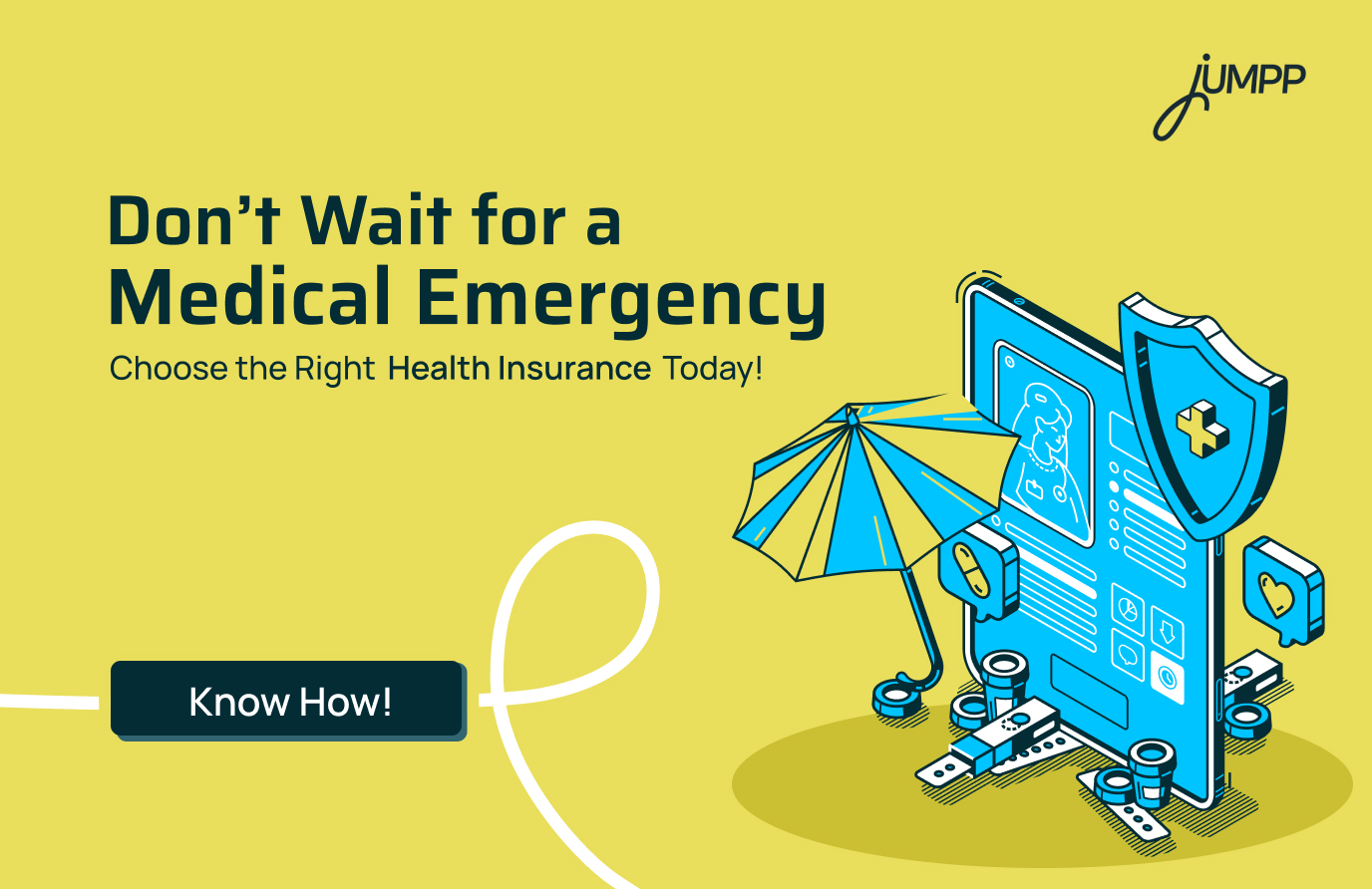
The gross health insurance market is expected to grow at a CAGR of 3.50% between 2025 and 2030, showing that more Indians now prioritise financial protection. And the reason is justified, medical emergencies can appear without warning, and good health alone isn’t enough to protect you from rising healthcare costs.
That’s why choosing the right health insurance has become one of the most essential financial habits today. So, what exactly is health insurance, and why is it an important investment today?
Let’s understand!
What is Health Insurance?
Health insurance is a financial agreement where you pay a premium, and your insurer covers your medical expenses when you fall sick or need treatment. It protects you from high healthcare costs and ensures access to quality care when unexpected events occur.
What health insurance covers:
- Hospitalisation and room charges
- Surgeries and medical procedures
- Medicines and diagnostic tests
- Daycare treatments and emergencies
Example:
If a dengue treatment costs ₹70,000, your health insurance can pay the bill fully or partially, depending on your plan.
Premium vs Coverage
| Term | Meaning |
| Premium | The amount you pay regularly to keep your policy active. |
| Coverage | The medical expenses your insurer pays for, based on your plan. |
How Health Insurance Works in India?
Here’s how a health insurance policy functions from purchase to claim:
- Choose a Plan: Select coverage based on your age, health needs, and budget.
- Pay the Premium: Premiums can be paid monthly, quarterly, or annually to keep the policy active.
- Network Hospitals: These are hospitals tied up with your insurer for cashless treatment.
- Get Cashless Treatment: If admitted to a network hospital, the insurer/TPA settles bills directly.
- Reimbursement Option: For non-network hospitals, you pay first and claim later with proper bills.
- TPA Involvement: These third-party Administrators help process claims and coordinate with hospitals.
- Co-pay Clause: A fixed percentage of the bill you must pay, depending on your policy.
- Claim Settlement: The insurer reviews documents and approves the claim as per policy terms.
What are the Types of Health Insurance in India?
Health insurance plans in India come in many forms, each designed to cover different medical needs and situations.
| Type of Health Insurance | Description |
| Individual Health Insurance | Covers one person; ideal for single individuals. |
| Family Floater Health Insurance | One policy covering the whole family under a shared sum insured. |
| Senior Citizen Health Insurance | For people aged 60+, it covers age-related illnesses and higher medical costs. |
| Critical Illness Insurance | Pays a lump sum on diagnosis of major illnesses like cancer or stroke. |
| Disease-Specific Insurance | Covers treatment for specific diseases such as cancer, dengue, or heart ailments. |
| Mediclaim Policy | Covers hospitalisation expenses like room rent, tests, and surgeries. |
| Group Health Insurance | Offered by employers to employees; covers basic medical needs. |
| Top-up & Super Top-up Plans | Provide additional coverage beyond your existing health insurance limit. |
| Maternity Health Insurance | Covers pregnancy, childbirth, and pre/post-natal expenses. |
| Hospital Daily Cash Plans | Offers a fixed daily allowance for hospital stays. |
- Individual Health Insurance: This policy covers only one person and provides dedicated protection for their medical needs. It allows you to choose benefits and add-ons based on your health profile.
Suitable for: Individuals without employer insurance or those wanting personal coverage. - Family Floater Health Insurance: A single plan covers your entire family under one shared sum insured, which any member can use when needed. It is usually more affordable than buying separate policies for each person.
Suitable for: Nuclear families looking for cost-effective protection. - Senior Citizen Health Insurance: Explicitly designed for people aged 60 and above, these plans cover age-related illnesses and higher medical expenses. They often include benefits like annual health checkups and specialised care.
Suitable for: Elderly parents or retirees needing regular medical support. - Critical Illness Insurance: This policy pays a one-time lump sum amount when a serious illness, such as cancer, stroke, or heart disease, is diagnosed. The money can be used for treatment, recovery, or daily expenses.
Suitable for: Sole earners or those with a family history of major illnesses. - Disease-Specific Insurance: It cover condition, such as cancer, dengue, or cardiac issues, and supports targeted treatment expenses. These plans provide focused financial protection for high-risk diseases.
Suitable for: Individuals with known risk factors or genetic history. - Mediclaim Policy: It covers hospitalisation costs like room rent, surgeries, tests, and medicines, either through cashless settlement or reimbursement. It focuses on basic treatment-related expenses.
Suitable for: Anyone wanting essential hospitalisation coverage. - Group Health Insurance: Provided by employers, these plans offer basic coverage for employees and sometimes their families at no extra cost. Coverage continues only as long as you stay with the organisation.
Suitable for: Working professionals needing foundational coverage. - Top-Up & Super Top-Up Plans: These plans enhance your existing insurance by offering extra coverage once the base sum insured is exhausted. Super top-ups are ideal as they cover multiple claims in a year.
Suitable for: People with low employer coverage or rising medical costs. - Maternity Health Insurance: This policy covers pregnancy-related expenses, delivery costs, and pre/post-natal care, along with newborn cover. It comes with waiting periods, so it must be bought in advance.
Suitable for: Couples planning to start a family soon. - Hospital Daily Cash Plans: These plans pay a fixed daily amount during hospitalisation, helping cover non-medical costs such as travel, food, or loss of income. They act as a supportive add-on to regular insurance.
Suitable for: Individuals wanting an extra financial cushion during hospital stays.
Critical Illness Insurance vs Medical Insurance: What’s the Difference?
Medical insurance (Mediclaim) and critical illness insurance work differently, and understanding both helps you choose better protection. Here’s the quick comparison:
| Feature | Medical Insurance | Critical Illness Insurance |
| Purpose | Covers hospital bills | Gives a lump sum on diagnosis |
| Payout Type | Actual medical expenses | One-time fixed amount |
| Use of Money | Only for hospitalisation costs | Any purpose—treatment or daily needs |
| Coverage Scope | Illnesses, injuries, accidents | Specific major diseases |
| Best For | Regular medical needs | Long-term financial protection |
Looking for long-term financial security? Explore how term insurance can protect your family’s future.
What are the Benefits of Health Insurance?
Let’s look at the key benefits of having a health insurance policy.
| Scenario | With Health Insurance | Without Health Insurance |
| Medical Bills | Covered fully/partially | Paid entirely from savings |
| Cashless Treatment | Available at network hospitals | Not available |
| Pre & Post Hospitalisation | Covered for 30–90 days | Out-of-pocket |
| Emergency Expenses | Managed smoothly | Financial burden or loans |
| Long-term Protection | High | Very low |
| Mental Health Support | Included in many plans | Paid separately |
While health insurance helps during emergencies, life insurance helps long after. Understand the difference.
What is the Claim Process for Health Insurance?
Health insurance claims in India are processed in two ways:
a) Cashless Claim (Network Hospital)
- Show your health insurance card at the reception desk.
- Fill and submit the pre-authorisation form.
- Insurer/TPA approves and settles the bill directly with the hospital.
- Submit KYC if required by the insurer.
b) Reimbursement Claim (Non-Network Hospital)
- Pay all medical bills upfront during treatment.
- Collect documents such as bills, reports, and discharge summaries.
- Submit the claim form + documents to the insurer.
- The insurer verifies the claim and reimburses the approved amount.
- Submit KYC if required for verification.
10 Things to Consider When Choosing Health Insurance
Choosing the right plan depends on several health insurance factors that affect your coverage and the amount you may need to pay out of pocket.
- Sum Insured: Pick enough coverage (₹5–10 lakh for metro cities).
- Network Hospitals: Choose plans with strong cashless hospital networks.
- Pre & Post-Hospitalisation: Ensure coverage for tests, consultations, and medicines.
- Waiting Period: Shorter waiting periods for pre-existing conditions are better.
- Room Rent Limits: Prefer plans with no room rent or treatment sub-limits.
- Co-pay: Lower co-payment means lower out-of-pocket expenses.
- Deductibles: Higher deductibles reduce premiums but increase your share of costs.
- Restoration Benefit: Useful for families and multiple claims in a year.
- Daycare Procedures: Check how many treatments are covered without 24-hour admission.
- Lifetime Renewability: Ensures long-term protection as you age.
Final Thoughts
Health insurance is essential for every Indian household, offering protection from unexpected medical expenses. Whether you’re a young professional, a parent, or a senior citizen, the right policy protects you from rising healthcare costs in 2025.
Thus, make an informed choice by comparing plans and understanding your coverage needs. Try using a reliable wealth management app to manage your overall financial health better.
What is Health Insurance: FAQs
Health insurance is a plan that helps you pay for medical and hospital expenses. It protects your savings during health emergencies.
It covers hospital bills, cashless treatment, ambulance charges, and more. Some plans also give bonus benefits for not making a claim.
It depends on your city, family size, and health needs. For bigger cities and families, higher coverage may offer better protection.
The earlier you start, the better it is. Young buyers usually get lower premiums and fewer health check-ups.
It refers to the Ayushman Bharat – Pradhan Mantri Jan Arogya Yojana (PM-JAY). It offers ₹5 lakh health coverage per year to eligible low-income families.
It refers to the Pradhan Mantri Suraksha Bima Yojana (PMSBY). For ₹12 per year, it gives accidental insurance cover of up to ₹2 lakh.
It depends on your lifestyle, city, and medical needs. Higher coverage may help if you want better protection against rising healthcare costs.
You’ll need your policy number, hospital documents, bills, reports, and a filled-out claim form. Some cases may also need a doctor’s prescriptions or pre-authorisation.
It covers hospitalisation, surgeries, doctor fees, diagnostic tests, and sometimes pre- and post-hospitalisation expenses. However, the overall coverage depends on your policy terms.
It usually doesn’t cover cosmetic treatments, pre-existing diseases (initially), or injuries from risky activities. You must always check the policy exclusions for details.
Yes, but only after a waiting period, usually 2–4 years. Exact rules depend on your insurer and IRDAI guidelines.
Some plans now cover OPD services, such as doctor visits, tests, and medicines. Check your policy for more details.