Types of Waiting Periods in Health Insurance and How They Affect Claims
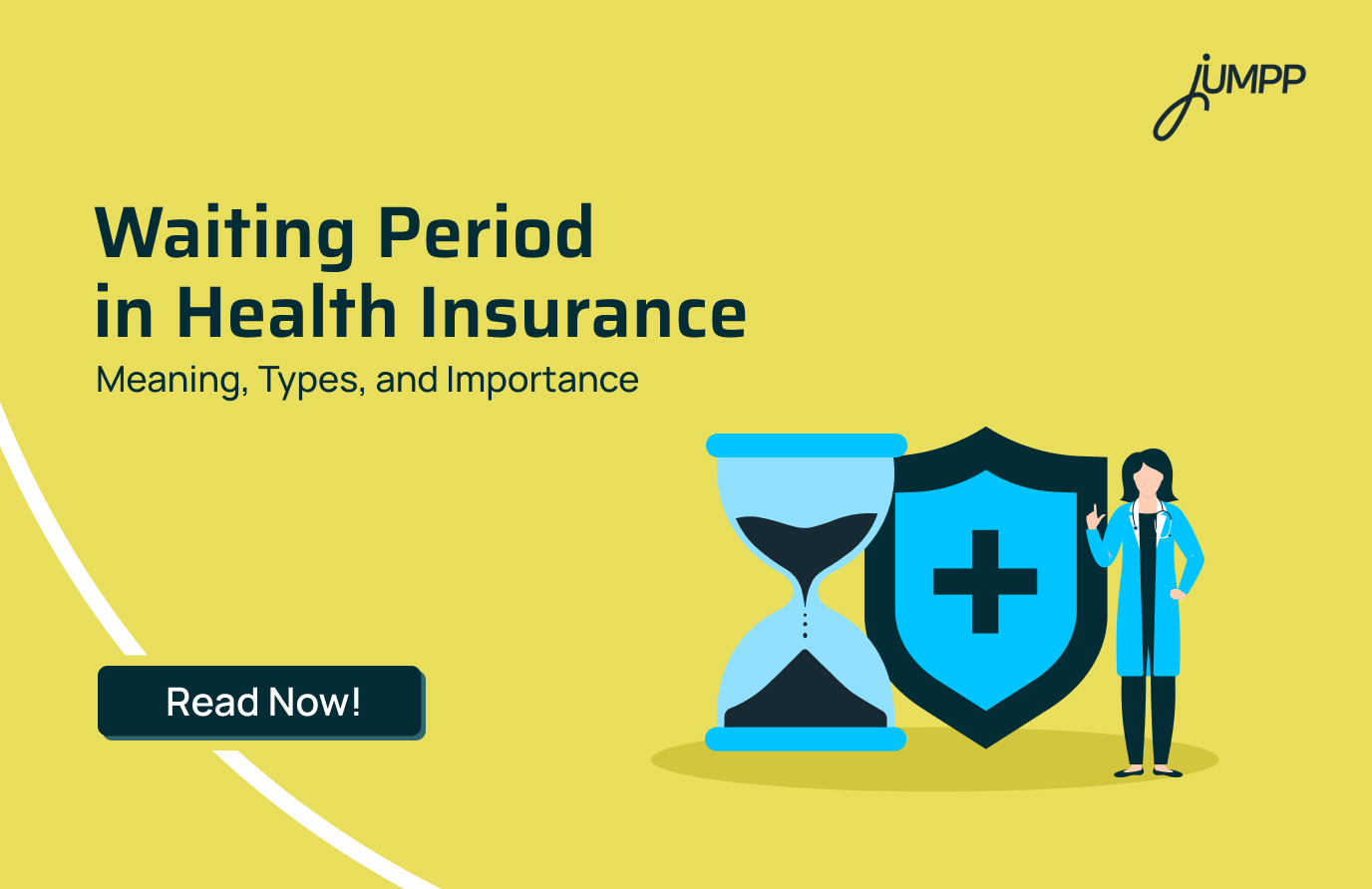
Buying health insurance is easy, but understanding it is not. Most health insurance claim rejections do not happen because the policy does not cover the illness. They happen because the waiting period was not completed. Knowing how waiting periods in health insurance work is one of the most important steps. Let us understand how these can affect your claim.
What is the Waiting Period in Health Insurance?
A waiting period in health insurance is the time you must wait after buying a policy before you can claim for certain illnesses or treatments. During this period, the policy is active, but some benefits are temporarily restricted. This rule exists to prevent misuse of insurance and to help insurers manage risk fairly for all policyholders.
Waiting periods are not meant to deny care. They are designed to encourage people to buy health insurance early, before health issues arise, and to ensure that long-term coverage remains sustainable.
Waiting periods vary across plans, but so do benefits. Learn about the types of health insurance available and find out which plan structure works best for you.
Types of Waiting Periods in Health Insurance
Waiting periods decide when your health insurance actually starts paying for your treatment. Here are various types of waiting periods in health insurance–
| Type of Waiting Period | Typical Duration |
| Initial Waiting Period | 30 days from policy start date |
| Specific Illness Waiting Period | 1 to 2 years |
| Pre-Existing Disease Waiting Period | 2 to 4 years |
| Maternity Waiting Period | 3 to 4 years |
| Critical Illness Waiting Period | Around 90 days |
1. Initial Waiting Period in Health Insurance
This is usually the first 30 days from the policy start date. During this time, most illnesses are not covered.
Accidental hospitalisation is generally covered from day one, as accidents are unpredictable and cannot be planned.
This waiting period applies to almost all standard health insurance policies.
2. Specific Illness Waiting Period in Health Insurance
Certain illnesses and procedures come with their own waiting period, even after the initial 30 days are completed.
Common examples include cataract, hernia, piles, sinusitis, joint replacement, and gall bladder issues.
The waiting period for these conditions is usually between one to two years, depending on the insurer and the policy terms.
3. Pre-Existing Disease Waiting Period in Health Insurance
A pre-existing disease is any condition you already had before buying the policy, such as diabetes, hypertension, asthma, or thyroid disorders.
The waiting period for pre-existing diseases is longer, usually between 2 to 4 years.
Claims related to these conditions are only covered after this period is fully completed, which is why buying insurance early in life is extremely important.
4. Maternity Waiting Period in Health Insurance
Maternity benefits come with one of the longest waiting periods in health insurance.
Most policies require you to wait three to four years before maternity expenses and newborn cover become active.
This ensures that maternity cover is planned well in advance and not purchased only when pregnancy is confirmed.
5. Critical Illness Waiting Period in Health Insurance
Critical illness policies or riders usually have a waiting period of around 90 days.
If a listed critical illness is diagnosed during this period, the claim will not be payable.
After the waiting period ends, coverage applies as per policy terms.
What is a Cooling-Off Period in health insurance?
A cooling-off period in health insurance is a time gap that an insurer may apply after you recover from a serious illness, surgery, or medical treatment, before issuing a new policy or before activating certain covers. This period allows the insurer to assess whether your health condition has stabilised and whether there is a high risk of relapse.
It is important to understand that a cooling-off period is not the same as a waiting period or a free look period. Each serves a different purpose.
Difference Between Survival Period and Waiting Period in Health Insurance
| Basis | Survival Period | Waiting Period |
| Meaning | Time after diagnosis of a critical illness during which the insured must remain alive to receive a payout | Time after buying an insurance policy during which claims are not allowed |
| When it starts | From the date of diagnosis of a critical illness | From the policy start date |
| Applies to | Only critical illness policies | Health insurance and critical illness policies |
| Stage of illness | After a critical illness has already occurred | Before any illness or treatment is claimed |
| Typical duration | 15 to 90 days in most policies | 30 days to several years, depending on the condition |
| Claim eligibility | The claim is paid only if the survival period is completed | Claims are rejected if made during this period |
| Purpose | Ensures benefit supports recovery and ongoing needs | Prevents immediate or planned misuse of insurance |
| Impact on payout | Payout depends on survival beyond this period | No claim allowed during this time |
The purpose of a waiting period is to prevent misuse of insurance and ensure that people do not buy policies only after they already know they need medical treatment.
The purpose of a survival period is to ensure that the benefit supports recovery, treatment, and life adjustment, rather than acting as an immediate death-related payout.
Is It Possible to Reduce the Waiting Period in Health Insurance
Yes, in certain cases, the waiting period in a health insurance policy can be shortened. Many insurers provide optional add-ons that allow policyholders to reduce the waiting period for pre-existing diseases and specific illnesses or procedures.
These options are usually available at the time of buying the policy and require payment of an additional premium. By choosing such covers, you can access benefits earlier instead of waiting for the standard waiting period to end.
Some health insurance plans also offer limited coverage for pre-existing diseases from day one or within the first 30 days of the policy. These plans are designed for people who already have known medical conditions and want quicker access to coverage.
For instance, an insurer may offer an optional cover that reduces the pre-existing disease waiting period from three years to two years or even one year. While this increases the premium, it can be useful if you expect medical expenses related to an existing condition in the near future.
It is important to carefully read the policy terms before opting for such features, as reduced waiting period covers may come with limits, subcaps, or specific conditions.
Choosing the right waiting period structure is about balancing affordability today with medical needs tomorrow.
Also read: What is a rider in insurance?
Waiting Period in Health Insurance – FAQs
The maximum waiting period for pre-existing diseases and specific illnesses is up to 3 years (36 months) as per current regulations. Maternity benefits may still have waiting periods ranging from 9 months to 4 years, depending on the policy.
The 3-year rule means insurers must cover pre-existing conditions after 3 continuous policy years. After this period, claims cannot be rejected for non-disclosure unless there is proven fraud.
Waiting periods prevent people from buying insurance only when treatment is immediately required. They help insurers manage risk and keep premiums affordable for all policyholders.
Yes, claims are allowed immediately only for accidental hospitalisation. All illness-related claims are covered only after the 30-day initial waiting period.
You can claim after 2 days only if the hospitalisation is due to an accident. Claims for illnesses are not allowed during the initial waiting period.
The 80/20 rule requires insurers to spend at least 80% of the premium collected on medical claims and healthcare services. This ensures policyholders receive real value from their insurance.
A cover of ₹25 lakh is strong for most families but may fall short in metro cities due to rising medical costs. Many experts recommend adding a super top-up plan for higher protection.
The policy remains active, but claims for certain conditions are restricted. Medical expenses for excluded treatments during this time must be paid out of pocket.