What Is Digital Gold Really, and How Is It Different From Physical Gold?
For Indians, gold was never an investment first. It was security, tradition, and something you bought without overthinking the price. Today, that has changed. Gold prices keep rising. As a result, buying even a simple chain or bangle now requires planning, postponement, or compromise. Families still want to own gold. In this gap between tradition and affordability, digital gold has entered the conversation. It promises ownership without the weight of a large purchase. What is digital gold, and is this modern version of gold ownership worth it?
Let’s figure that out!
What is Digital Gold, and how does it work?
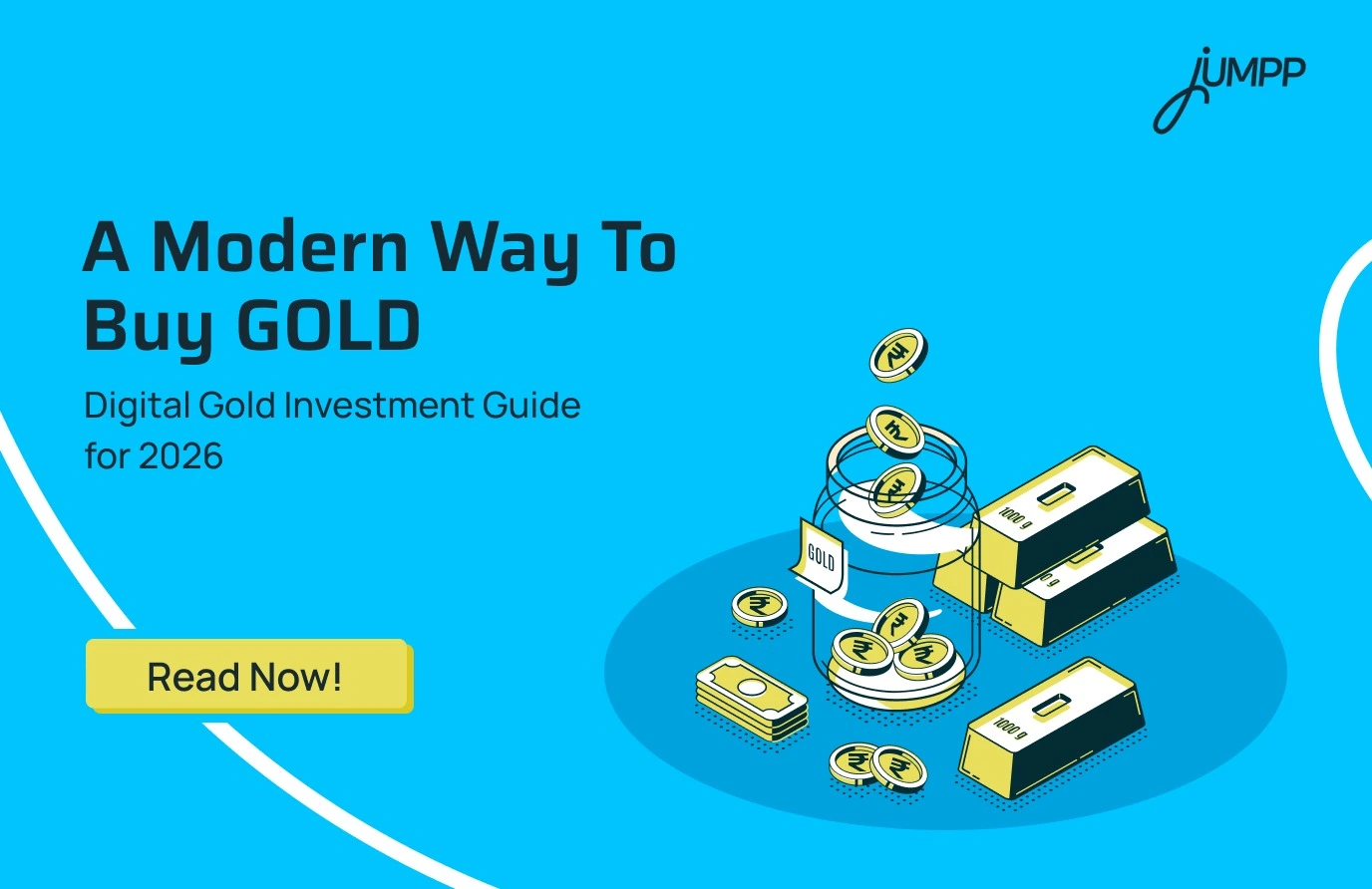
Digital gold is a secure investment option that allows users to buy, sell, and accumulate 24K gold with 99.9 percent purity entirely online. It enables fractional ownership without the need to hold physical gold.
How Digital Gold Works
Digital gold investment can start from as low as one rupee. The equivalent physical gold is stored on the investor’s behalf in insured and secure vaults. Digital gold offers high liquidity and can be converted into physical gold or sold for cash at any time.
Purchasing
You buy digital gold through apps such as Paytm, PhonePe, Amazon.in, or online platforms starting with small, fractional amounts at live gold prices.
Storage
For every purchase, an equivalent quantity of physical gold is stored on your behalf in secure, insured vaults managed by the provider.
Ownership
Each transaction is recorded digitally, allowing you to track your gold holdings and buy or sell them in real time, twenty-four hours a day.
Redemption
You can sell digital gold instantly for cash at prevailing market prices or convert it into physical gold coins or bars, subject to minimum quantity requirements and delivery charges.
- Can we trust digital gold?
This is usually the first concern for anyone used to holding gold in their hands.
Digital gold is reasonably trustworthy when purchased through established providers, as the gold is stored in insured vaults and audited regularly. However, the absence of direct SEBI or RBI regulation means it should not be treated as a fully risk-free investment.
- Is GPay digital gold safe?
Many first-time investors start with GPay because it feels familiar.
GPay digital gold is generally safe for small investments, as it partners with established gold providers and offers insured storage. However, since it is not regulated by SEBI, platform risk exists, particularly for larger investment amounts.
Open a zero-balance savings account online.
What are the Benefits of Digital Gold Investment?
Here are the digital gold advantages-
- High liquidity and accessibility: Investors can buy or sell 24K gold with 999.9 fineness instantly at market-linked prices through mobile apps or online platforms, from anywhere and at any time.
- Safety and security: Digital gold removes the need for physical storage at home or in lockers. The gold is kept in secure, insured vaults by the provider.
- Affordability: Digital gold supports fractional investing, allowing investors to start with very small amounts, even as low as one rupee.
- Guaranteed purity: The gold is certified 24K, with 99.5 percent or 999.9 fineness, eliminating concerns about purity and adulteration.
- No making charges: Unlike jewellery purchases, digital gold involves no making charges or wastage costs.
- Easy conversion to physical gold: Investors can convert digital holdings into physical gold coins or bars, delivered directly to their doorstep, subject to minimum quantity requirements.
- Collateral usage: Digital gold can be used as collateral for online loans on supported platforms.
Which bank is best for digital gold?
Traditional banks do not dominate digital gold offerings. Most digital gold investments are done through apps such as PhonePe, Paytm, Groww, or GPay, which partner with providers like MMTC PAMP, SafeGold, or Augmont. Selection should be based on transparency, ease of redemption, and charges.
What are the Disadvantages of Digital Gold?
Digital gold comes with risks that are often overlooked.
- Counterparty risk: The physical gold is stored with third-party vaulting partners, and ownership depends on the financial and operational stability of the platform.
- Additional and hidden costs: Investors may pay GST at purchase, storage fees after a free period, and delivery or conversion charges for physical gold.
- Mandatory redemption timelines: Some platforms require forced sale or physical conversion within a fixed timeframe, commonly around five years.
- Price volatility: Gold prices fluctuate based on market conditions, which can impact short-term returns.
- No passive income: Digital gold does not provide interest, dividends, or regular income.
- Cybersecurity and platform risk: There is exposure to digital fraud, technical failures, or data breaches, even though established platforms maintain security controls.
Is Digigold RBI approved?
Digital gold is not regulated by SEBI or the RBI, which means limited investor protection if the platform or provider fails.
How to Buy Digital Gold?
- Choose a trusted platform: You can buy digital gold through payment and fintech apps, investment apps or authorised jewellers and platforms.
- Select the gold option: Open the app and choose the Digital Gold or Gold Investment section available on the platform.
- Enter the investment amount: Decide how much you want to invest. Digital gold allows fractional purchases, starting from as low as one rupee, based on live gold prices.
- Complete the payment: Pay using UPI, debit card, net banking, or wallet balance, depending on the platform.
- Gold is stored securely: After purchase, the equivalent quantity of 24K gold with 999.9 fineness is stored in insured and secure vaults on your behalf.
- Track and manage holdings: You can view, buy, or sell your digital gold holdings in real time through the app.
- Redeem anytime: You may sell the gold for cash at market prices or convert it into physical gold, such as coins or bars, subject to minimum quantity and delivery charges.
Ways of investing in Digital Gold
Gold investing today is no longer limited to ornaments and coins, with multiple digital routes available.
- Digital Gold Platforms and Apps: Apps like Paytm, PhonePe, Google Pay, and Tanishq allow users to buy digital gold starting from as low as ₹100, usually backed by SafeGold or MMTC PAMP, with the option to sell at live market prices.
- Gold ETFs (Exchange Traded Funds): These are traded on NSE or BSE, represent physical gold in electronic form, require a Demat account, and closely track the price of physical gold.
Read now- Digital gold vs gold ETFs.
- Sovereign Gold Bonds (SGBs): Issued by the Reserve Bank of India, these are government-backed, offer a fixed interest rate of around 2.5 percent per annum, and provide capital gains tax exemption if held until maturity of eight years.
- Gold Mutual Funds or FoFs: These funds invest in Gold ETFs and are suitable for investors without a Demat account, offering the flexibility to invest through SIPs.
- Direct Manufacturer Platforms: Companies like MMTC PAMP and CaratLane allow direct online purchase of 24K gold with options for secure storage or physical delivery.
Digital Gold vs Physical Gold- What Should You Choose
The choice between digital and physical gold often comes down to convenience versus tradition.
Physical gold holds cultural, emotional, and usage value, while Digital gold focuses on ease, flexibility, and low entry, while
| Feature | Digital Gold | Physical Gold |
| Minimum entry | As low as ₹1 to ₹100 | Usually 1 gram or more |
| Liquidity | High, instant sell through apps | Moderate, requires physical sale |
| Extra costs | 3 percent GST, small price spread | 3 percent GST plus making charges |
| Storage | Insured vaults, often free initially | Locker or home storage |
| Regulation | Not regulated by SEBI or RBI | Governed by BIS hallmarking and GST |
Digital Gold vs Physical Gold – Taxation Overview after Budget 2026
- Short-term gains (held below 24 months): Taxed as per the income tax slab.
- Long term gains (held above 24 months): Taxed at 12.5 percent without indexation.
- Sovereign Gold Bonds: Capital gains remain tax free if held till maturity by original subscribers.
Digital gold supports small, flexible accumulation, while physical gold supports use and tradition.
Before You Invest in Digital Gold, There Are a Few Things You Must Know
Digital gold platforms offer convenience, but they operate without regulatory oversight from bodies such as SEBI or the RBI, which creates counterparty risk and provides no formal investor protection.
Investors also face immediate value loss due to a non-recoverable 3 percent GST at the time of purchase, along with a buy-sell spread of around 3 to 7 percent charged by platforms.
Unlike physical gold, digital gold usually comes with a storage validity of about 5 to 10 years, after which investors are required to either sell their holdings or opt for physical delivery, leading to additional making and delivery charges.
Digital Gold Investment – FAQs
The 60 20 20 rule for gold is a portfolio diversification approach. It suggests keeping 60 percent in physical gold for long term safety, 20 percent in gold backed instruments like Gold ETFs for liquidity, and 20 percent in higher risk gold related investments.
Digital gold allows you to buy 24K pure gold online without holding it physically. You invest in rupees through apps or platforms, and the equivalent quantity of gold is stored in insured vaults by providers such as MMTC PAMP or SafeGold. The price is linked to live gold rates, and you can sell the gold anytime or convert it into physical gold.
Digital gold is not better than a Fixed Deposit, it serves a different purpose. Digital gold offers market linked returns and acts as an inflation hedge for long term diversification, while Fixed Deposits focus on safety, liquidity, and guaranteed returns for capital preservation.
Digital gold is not regulated by SEBI or the RBI, which increases counterparty risk. Platforms may charge additional fees for storage beyond free periods, physical delivery, or conversion. Gold prices are volatile, and digital gold does not generate any regular income such as interest.
Yes, digital gold can be sold instantly on most platforms, with money credited to your bank account, often on the same day. You can also convert it into physical gold, but delivery charges apply and processing usually takes a few days.
Yes, you can invest 1000 rupees or even smaller amounts in digital gold. Most platforms allow fractional gold purchases, with minimum investments starting from as low as one rupee, depending on the app.