What Are Derivatives: Everything You Should Know Before Trading in India
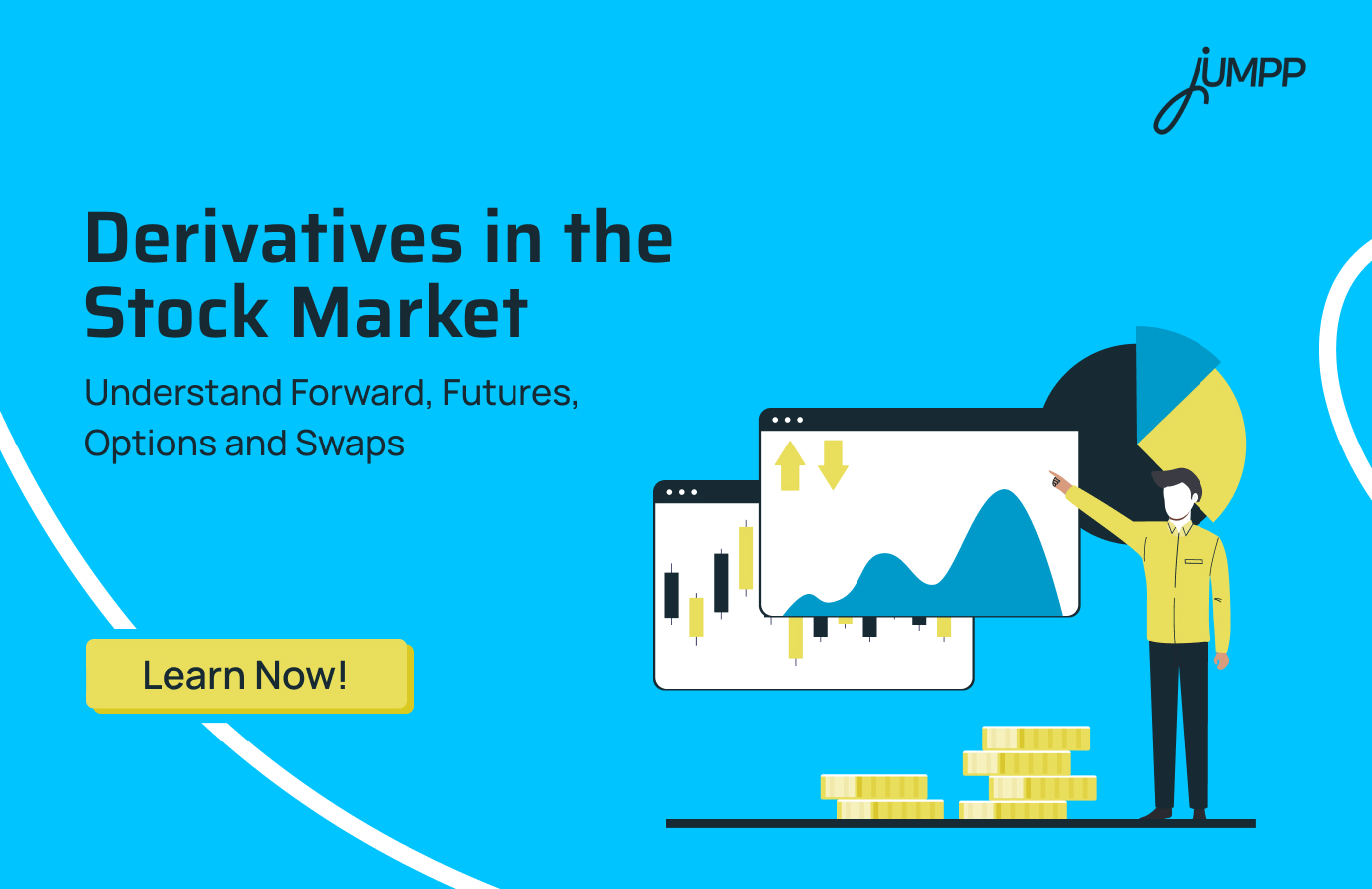
In India, derivatives are increasingly becoming a popular tool for investors and traders looking to manage risk or speculate on market movements. But what are derivatives, and how do they work? A derivative is a financial contract whose value is linked to an underlying asset. This underlying asset could be stocks, market indices like the Nifty 50, commodities such as gold or crude oil, currencies, or even interest rates.
Let us learn the process to trade in derivatives!
What is the Derivatives Market?
The derivatives market is the platform where these contracts are bought and sold. In India, trading occurs both on formal exchanges and in over-the-counter (OTC) arrangements.
What are the types of Derivative Markets in India?
The types of derivative markets in India can be broadly classified into two categories:
1. Exchange-Traded Derivatives
These are standardised contracts traded on stock exchanges such as NSE and BSE.
Explore the difference between SGB vs Gold ETF to choose the best gold investment option in India.
2. Over-the-Counter (OTC) Derivatives
These are customised contracts traded privately between two parties. These are flexible, but OTC derivatives like forwards and swaps are more complex and less commonly used by retail investors
Derivatives’ Meaning in the Stock Market
In the Indian stock market, derivatives meaning in stock market refer to instruments such as futures and options used to manage investment risk or speculate on stock or index movements.
- If you hold shares of a company and fear a price drop, you could purchase a put option to help protect your portfolio.
- Traders may also use futures contracts to bet on the future direction of the Nifty 50 or specific shares.
How Do Derivatives Work?
Here is the simple process:
Value linked to an underlying asset:
The price of a derivative changes when the price of the linked asset changes. For instance, a futures contract on crude oil will move in value as the market price of oil fluctuates.
Risk management:
Businesses often use derivatives to manage exposure. For example, an airline can lock in a fuel price for future use through a futures contract. This protects the company from unexpected increases in fuel costs.
Speculation:
Investors may use derivatives to take a view on the future direction of an asset without holding the asset itself. This can allow participation in market movements with lower capital requirements.
Leverage:
Derivatives allow participants to control a large position with comparatively less capital. This increases the potential for profit as well as the potential for loss, because price movements are magnified.
What are the types of Derivatives?
Mainly, there are four types of derivatives—
Futures:
This is a contract that obligates the buyer and seller to transact a specific asset at a predetermined price on a set date in the future.
Options:
Options are contracts that give the buyer the right, but not the obligation, to buy or sell an asset at a fixed price before a specified date.
Forwards:
These contracts are similar to futures but negotiated privately between two parties. They are traded over the counter rather than on an organised exchange.
Swaps:
This is basically an agreement where two parties exchange cash flows or financial obligations. Swaps are commonly used to manage interest rate or currency exposure.
How to Trade Derivatives in India
Trading derivatives in India requires preparation, understanding, and careful strategy. Here are the key steps:
1. Open Necessary Accounts
You need a Demat account to hold securities and a trading account authorised for derivative transactions. Your broker can help set up both.
Open a free demat account with the best investment app!
2. Fund Your Account
Derivative trading requires an initial margin deposit, a percentage of the total contract value. This acts as security to cover potential losses.
3. Learn and Strategise
Derivatives are high-risk instruments due to leverage, which can amplify both gains and losses. SEBI studies show that many retail traders incur losses. It is crucial to understand market dynamics, analyse trends, and create a strategy with well-defined entry and exit points.
4. Place and Monitor Trades
You must know that constant monitoring is essential since leverage can magnify losses. You may choose to square off your position before expiry or let the contract expire, depending on your strategy.
5. Understand the Risks
There are multiple types of risks involved in derivatives trading.
These could be
- Significant losses due to leverage.
- Time decay in options, which can reduce profitability.
- Margin calls, which occur if the market moves against your position.
What are the advantages of derivatives?
Risk hedging:
Derivatives help investors manage uncertainty by offsetting possible losses from another investment. For instance, an investor may use a put option to safeguard their position if they expect a decline in the price of a particular stock.
Leverage:
Derivatives allow participants to control a much larger position with comparatively smaller capital. When the market moves in a favourable direction, this leverage can significantly enhance returns.
Speculation:
Derivatives provide the opportunity to take a view on the future direction of an asset’s price without owning it. This offers the potential to profit in both rising and falling markets.
Price discovery:
Derivative markets often reflect collective market expectations. This contributes to transparent and efficient valuation for the underlying asset.
Lower transaction costs:
Trading derivatives can involve lower transaction costs than directly purchasing or selling the underlying asset. This makes them cost-effective for certain strategies.
Diversification:
Derivatives provide access to varied asset classes, sectors, and global markets. This helps build a more diversified investment portfolio.
What are the Disadvantages of derivatives?
High risk and complexity:
Many derivatives involve advanced structures, making them difficult for beginners to understand. Their behaviour can be unpredictable, which adds to the risk.
Magnified losses:
Although leverage increases profit potential, it also increases the scale of possible losses. An adverse price movement can lead to losses that exceed the initial capital deployed.
Counterparty risk:
Over-the-counter derivatives carry the risk that the other party may fail to honour the contract. This default risk can result in immediate financial loss.
Time decay:
Options lose value as they move closer to the expiration date. This erosion of time value can rapidly reduce the price of the contract.
Low liquidity:
Certain derivatives do not have active trading volumes. This can make it difficult to obtain fair prices or exit positions when required.
Volatility:
Derivative prices can fluctuate sharply. Such volatility increases uncertainty and can create sudden, significant swings in portfolio value.
Final Thoughts
Derivatives can be powerful tools for both hedging and speculation, but they are not suitable for everyone. For investors willing to learn, plan, and monitor their trades carefully, derivatives can offer flexibility, protection, and opportunities to participate in broader market trends. But for those seeking quick gains without comprehension, they can equally lead to steep losses.
Knowledge, discipline, and prudence remain the three pillars of successful derivative trading in India.
Derivatives in India- FAQs
A derivative is a financial contract whose value depends on something else, like a stock, gold, currency, or a bond. In India, traders use derivatives either to earn from expected price movements or to protect themselves from losses if prices suddenly change.
The four main types are forwards, futures, options, and swaps. All of them involve an agreement about buying, selling or exchanging something at a future date or under certain conditions.
The main types are forwards, futures, options, and swaps. The risks include losing more money because of leverage and the chance that the other party may not fulfill the contract.
No. An ETF is an exchange-traded fund that holds real assets such as shares or bonds. Some ETFs in India, especially commodity or leveraged ones, may use derivatives inside them, but the ETF itself is not a derivative.
The four types are scalping (seconds or minutes), day trading (within the same market day), swing trading (a few days or weeks), and position trading (months or even years).
A simple Indian context classification is local trade (within a city), regional trade (across states), national trade (within India), and international trade (between India and other countries).
A basic breakdown is equity trades (shares), debt trades (bonds), derivative trades (futures and options), and commodity trades (gold, silver, crude oil, and others).
Five common examples in India are index futures on Nifty, stock options on companies like Reliance, currency forwards for INR and USD, interest rate swaps used by banks, and commodity futures on gold or crude oil.