Savings Account Meaning: Types, Features, Benefits & How It Works
Most people open a savings account because they need one for salary credits, UPI payments, or everyday banking. But very few people actually stop to understand what a savings account is, or whether they are using the right type of account for their financial needs.
Today, a savings account does much more than just store money. It helps you earn interest, make digital payments, manage monthly expenses, and build emergency savings.
In this blog, we explain the meaning of a savings account, how it works, its features, benefits, types, and the factors to consider before opening one.
What Is a Savings Account?
A savings account is commonly called a bachat khata.
It is a bank deposit account that allows individuals to store money safely, earn interest on the balance, and access funds when needed. It is one of the most commonly used bank accounts for daily banking, salary deposits, savings, and digital transactions.
Savings accounts are designed to keep money accessible while helping account holders build regular saving habits.
What Are the Features of a Savings Account?
A savings account offers basic banking features that help you keep money safe, access funds easily, and manage daily transactions.
Common features of a savings account include:
- Interest on balance: You earn interest of upto 2.50 to 8.00% on the money kept in your account.
- ATM and debit card access: You can withdraw cash and make payments easily.
- UPI and net banking: You can transfer money, pay bills, and make online payments.
- Mobile banking: You can manage your account through the bank’s mobile app.
- Passbook or statements: You can track deposits, withdrawals, and interest.
- Minimum balance rules: Some accounts need a minimum balance, while others are zero-balance accounts.
- Secure deposits: Money kept in regulated banks is safer than keeping cash at home.
How Does a Savings Account Work?
A savings account allows customers to deposit money into the bank and earn interest on the available balance. The bank keeps the money secure and provides access through ATMs, branches, UPI, internet banking, and mobile apps.
Here is a simple breakdown of how a savings account works:
| Step | Process |
| 1 | Deposit money into the savings account |
| 2 | The bank pays interest on the balance |
| 3 | Use ATM, UPI, or net banking for transactions |
| 4 | Withdraw or transfer money when needed |
| 5 | The bank updates the balance and interest regularly |
What Are the Types of Savings Accounts in India?
Banks offer different types of savings accounts based on customer needs, income, age, and banking habits.
Common types of savings accounts include:
- Regular savings account: For everyday banking and personal savings. You deposit your money, earn a small interest, and can withdraw anytime.
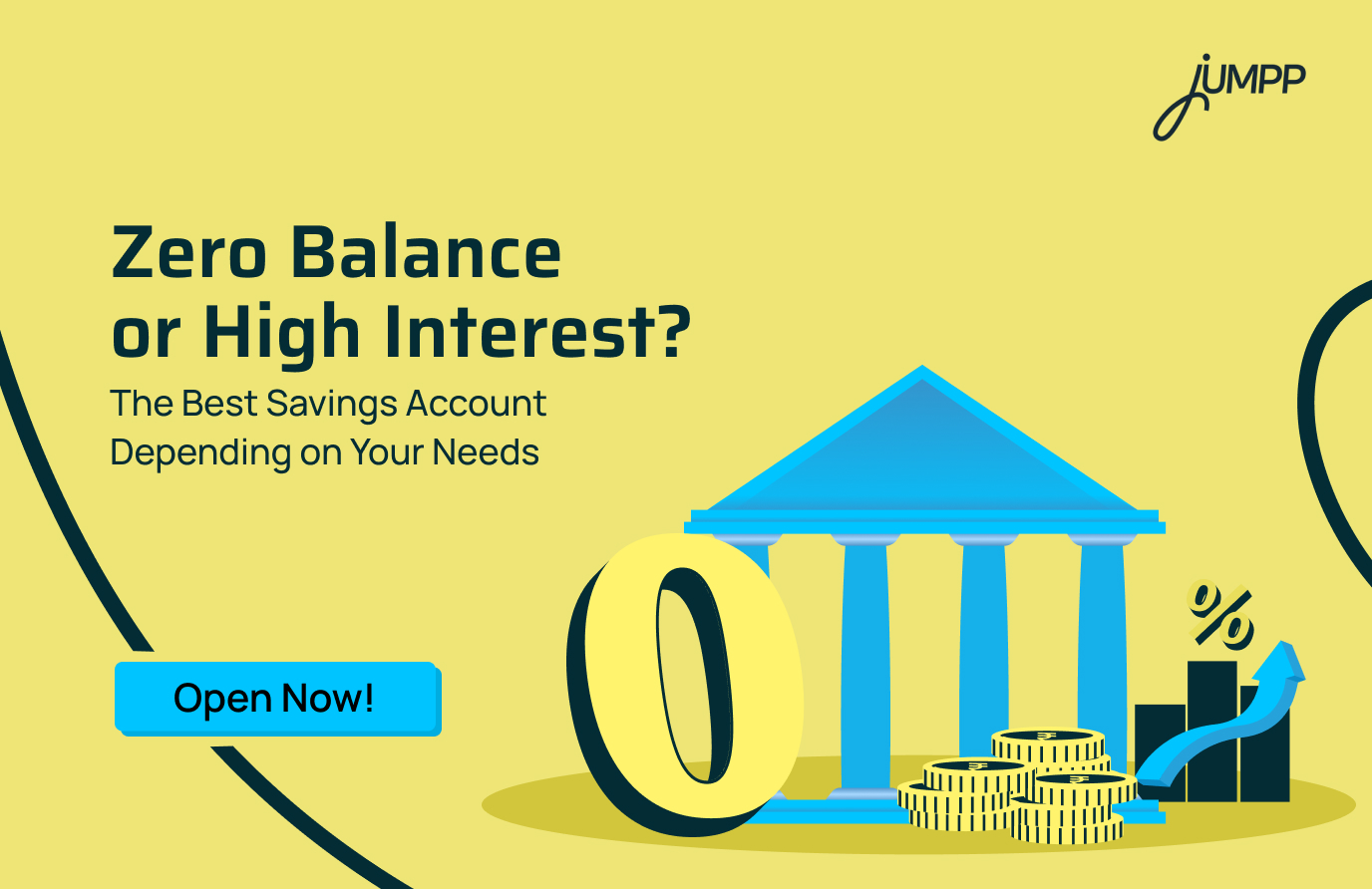
- Zero-balance savings account: You can keep it empty, and the bank won’t charge you. Great for students, low-income individuals, or first-time account holders.
- Salary account: For salaried employees to receive monthly salary credits. Usually opened by your employer. It comes with zero balance, quick transfers, and auto benefits. If you leave the job, the bank may convert it to a regular savings account.
- Student savings account: These are made just for college or school students. It usually comes with no minimum balance, zero fees, and simple digital access. It’s a great way to learn how to save while managing pocket money or part-time income.
- Senior citizen savings account: Made for those aged 60 and above, banks may offer higher interest rates, priority service, and zero balance options. It’s ideal for retirees looking for safe, accessible savings with a few added comforts.
- Women’s savings account: Some banks offer better interest, exclusive offers, or lower balance requirements. They may include benefits like accident insurance, discounts, or even financial planning tools designed for women.
- Joint savings account: You and someone else, such as a spouse, parent, or sibling, open and manage the account together. Both of you can deposit and withdraw, depending on the instructions. Helpful for shared goals or managing household expenses.
- Digital savings account: These accounts can be opened online without paperwork or branch visits. Digital savings accounts are becoming very popular in India because they are fast, paperless, and easy to manage through mobile apps.
- Business Savings Account: For entrepreneurs, shop owners, and startups. These accounts are designed to manage business earnings, pay vendors, and track transactions. Some banks also offer business tools or rewards along with these.
- Kids’ savings account: For children, usually managed with parental supervision. You can open this in your child’s name and teach them early. These accounts are built to help children learn how to save, often with parental controls.
What Are the Benefits of a Savings Account?
A savings account helps you manage money securely while keeping it accessible for daily needs and emergencies.
Key benefits of a savings account include:
- Keeps money safe: It reduces the risk of storing cash at home.
- Earns interest: Your account balance earns interest over time.
- Easy access to funds: You can withdraw or transfer money when needed.
- Supports digital payments: You can use UPI, debit cards, and net banking.
- Builds saving habits: It helps you set money aside regularly.
- Useful for emergencies: It keeps funds available for urgent expenses.
- Helps track money: Account statements make it easier to monitor spending and savings.
What Are the Disadvantages of a Savings Account?
While savings accounts offer safety and easy access to money, they also come with certain limitations.
Some common disadvantages of a savings account include:
- Lower interest rates: Savings accounts usually offer lower returns compared to fixed deposits or market-linked investments.
- Minimum balance requirements: Some banks charge penalties if the balance falls below the required limit.
- Tax on interest earned: Interest income may be taxable depending on applicable tax rules.
- Easy access may increase spending: Frequent access to funds can make impulsive spending easier.
- Interest rates may change: Banks can revise savings account interest rates over time.
- Not ideal for long-term wealth creation: Savings accounts are better suited for short-term savings and emergency funds.
If part of your savings account balance appears blocked or unavailable, understanding lien balance meaning can help you identify why banks temporarily restrict access to certain funds.
Savings Account vs Current Account: What Is the Difference?
Savings accounts and current accounts are both bank deposit accounts, but they are designed for different financial needs.
| Basis | Savings Account | Current Account |
| Purpose | Personal savings and daily banking | Business transactions |
| Interest | Usually earns interest | Usually does not offer interest |
| Transaction Volume | Moderate transactions | High-volume transactions |
| Suitable For | Individuals and families | Businesses and professionals |
| Minimum Balance | Usually lower | Usually higher |
A savings account is generally used for managing personal finances, while a current account is primarily for businesses with frequent transactions.
How to Choose the Right Savings Account?
Choosing the right savings account depends on your banking habits, income, savings goals, and transaction needs.
Before opening a savings account, consider these factors:
- Interest rate: Compare the savings account interest rates offered by banks.
- Minimum balance requirement: Check whether the account requires balance maintenance.
- Digital banking features: Look for UPI, mobile banking, and net banking facilities.
- ATM and debit card access: Review withdrawal limits and card-related charges.
- Account charges: Understand fees for SMS alerts, ATM usage, or non-maintenance of balance.
- Branch and customer support: Consider accessibility and banking support services.
- Ease of account opening: Some banks offer fully digital account opening with video KYC.
The right savings account should match how you save, spend, and access your money regularly.
What Documents Are Required to Open a Savings Account?
Banks usually require identity, address, and KYC documents to open a savings account. The exact requirements may vary by bank and account type.
Common documents required for a savings account include:
- PAN card: Used for identity and tax verification.
- Aadhaar card: Commonly used for identity and address proof.
- Passport-size photograph: Required for account records in some cases.
- Mobile number: Needed for OTP verification, SMS alerts, and banking access.
- Address proof: Documents like a passport, a voter ID, or utility bills may be accepted.
- KYC documents: Banks complete the Know Your Customer verification before activating the account.
Your First Step to Smarter Saving with a Zero-Balance Account
You can open a zero-balance savings account on jUMPP in just a few minutes.
All you need is your PAN and Aadhaar. Just sign up and complete a quick digital KYC. There’s no minimum balance for the first year, so you can start saving easily.
Savings Account Types- FAQs
A savings account is a basic bank account where you can store money safely and earn interest on it. It’s meant for regular saving and easy access when needed.
It keeps your money safe and accessible while earning steady interest. It also supports digital payments, transfers, and bill payments.
A savings account is for personal use with interest benefits and limited transactions. A current account is used mainly for business and allows more frequent, higher-volume transactions.
Yes, you can hold both accounts if you need one for personal savings and another for business or high-volume banking.
Yes, you can withdraw money anytime using an ATM, bank branch, or online transfers, based on the bank’s withdrawal limits.
It’s a practical way to manage day-to-day money and build savings with easy access and basic interest.
Yes, most savings accounts support UPI, net banking, or debit cards, which can be used for online purchases and payments.