How to Pay Credit Card Bill from Another Credit Card in India: Methods, Charges, and Risks
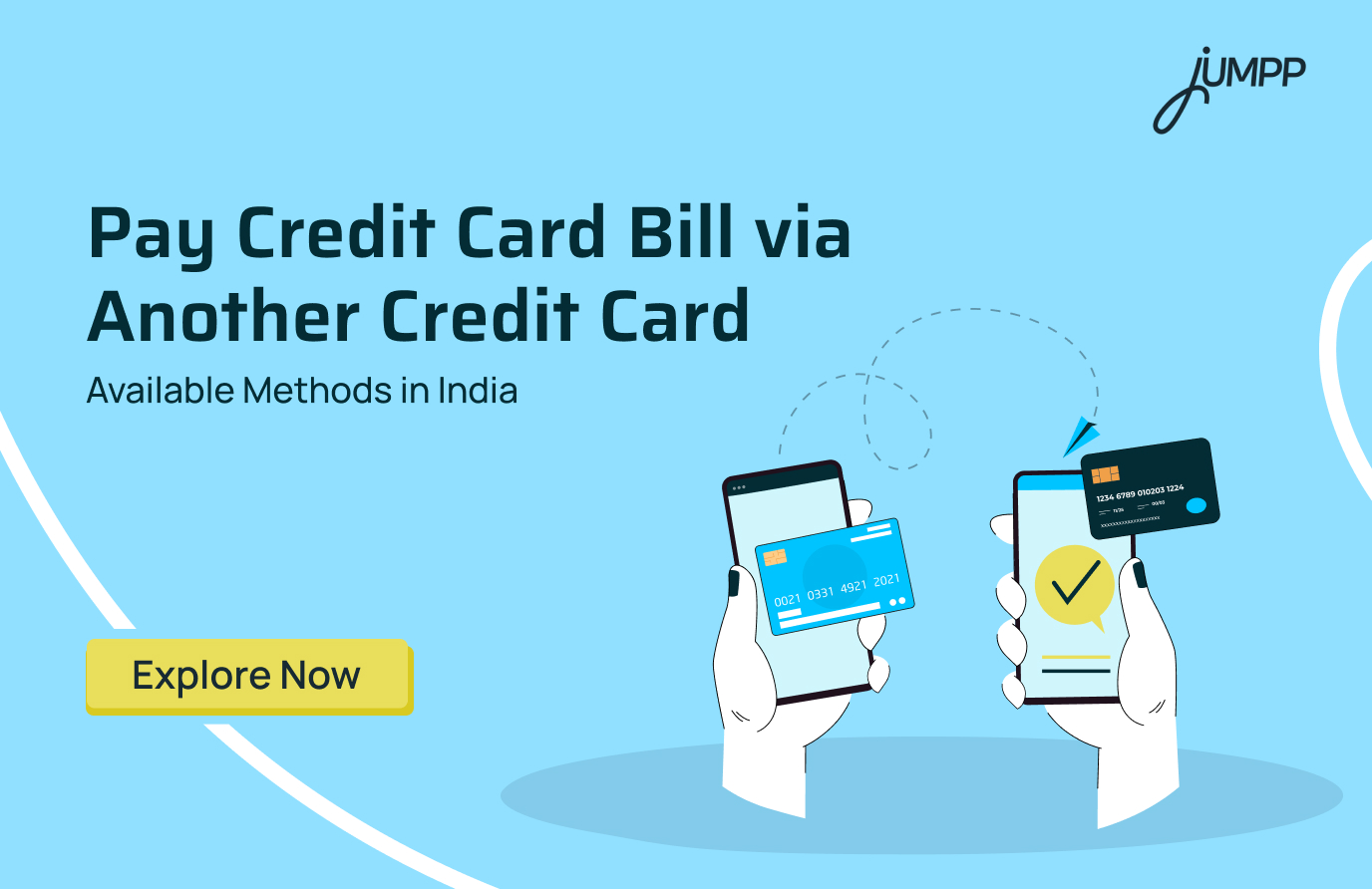
There comes a point where one credit card bill is due, cash is tight, and the next question feels obvious but uncomfortable. How to pay a credit card bill from another credit card without making things worse. While a direct credit card to credit card payment is not allowed, there are indirect ways people use to manage this situation.
The real challenge is not just paying the bill, but understanding the cost behind every option before you take that step.
How to Pay a Credit Card Bill from Another Credit Card
You cannot directly pay one credit card bill using another credit card, but you can do it indirectly through a few methods.
You can pay a credit card bill using another credit card through balance transfer, third-party apps or wallets, or cash advance, but all methods involve fees or interest.
What are the Different Methods to Pay Credit Card Bill from Another Credit Card in India?
In India, you cannot directly pay one credit card bill with another. People usually do it indirectly through balance transfers, digital wallets, or cash withdrawals.
These options help you shift the payment for now, but they come with fees. This is usually around 1 percent to 5 percent. Also, the cash withdrawals can start charging interest immediately.
1. Credit Card Balance Transfer (Recommended)
This is the most structured and cost-effective way to manage credit card dues.
- Transfer outstanding balance to another credit card
- Get lower interest rates for a limited period
- Processing fee is usually around 3 to 5 percent
How to Pay a Credit Card Bill from Another Credit Card Balance Transfer
Step 1: Apply for a balance transfer with a bank that offers this facility
Step 2: Once approved, the new bank pays off your existing credit card debt
Step 3: The outstanding amount is converted into EMIs on the new card
Step 4: Repay the new card within the low-interest period to avoid high charges
Why it works: You shift your debt to another card with better repayment terms instead of making a direct payment. Best for: Large dues and planned repayment strategy
2. Digital Wallets (Third-Party Services)
This method acts as a bridge for a credit card to a credit card payment.
- Use wallets like Paytm, Mobikwik, or PhonePe
- Load money using one credit card
- Use wallet balance to pay another credit card bill
How to Pay a Credit Card Bill from Another Credit Card Using Digital Wallets
Step 1: Open your digital wallet app
Step 2: Add money using your credit card
Step 3: Go to ‘Recharge and Bill Payments’ section
Step 4: Select credit card bill payment
Step 5: Enter details and complete payment using wallet balance
Risks: Wallets often charge fees and may limit transaction amounts.
Poor financial planning can lead to inactive or unused accounts over time. Learn what is a dormant account and how to keep your finances active and optimized.
3. ATM Cash Advance (High Cost Option)
This is the least preferred method due to high charges.
- Withdraw cash using your credit card
- Use that cash to pay another credit card bill
How to Pay a Credit Card Bill from Another Credit Card through ATM
Step 1: Withdraw cash from an ATM using your credit card
Step 2: Deposit the cash into your savings account
Step 3: Pay the credit card bill using net banking or UPI
Risks: High charges of around 2.5 to 3.5 percent plus immediate high interest from day one.
4. Third-Party Payment Apps (BBPS Platforms)
Some fintech platforms support indirect payments.
- Some apps and platforms enable bill payments
- Works through Bharat Bill Payment System infrastructure
How to Pay a Credit Card Bill from Another Credit Card through BBPS
Step 1: Open the payment app
Step 2: Select credit card bill payment
Step 3: Enter the card number you want to pay with
Step 4: Choose another credit card as a payment method if available
Step 5: Complete the transaction after reviewing charges
Note: Availability depends on the platform and issuing bank, and fees may apply.
Want to get a credit card without a CIBIL score? Check this.
Which Method Is Best for Credit Card to Credit Card Payment?
- Balance transfer is the most cost-effective and structured option
- Wallets and apps are useful for short-term liquidity but involve fees
- Cash advance should only be used in emergencies due to the high cost
Important Things to Keep in Mind Before Paying a Credit Card Bill Using Another Credit Card
If you use indirect methods like balance transfers or third-party apps, keep these critical factors in mind:
| Factor | What You Should Know |
| Charges and fees | Indirect methods like balance transfer, wallets, or cash advance include fees, usually between 1 percent to 5 percent. |
| Interest on cash advance | Interest starts immediately with no interest-free period, making it a costly option. |
| Debt trap risk | Repeated use can create a cycle of debt if not managed with a clear repayment plan. |
| Credit score impact | High utilisation and frequent transfers can lower your credit score and signal risk to lenders. |
| Short-term solution | This should only be used for temporary cash flow issues, not as a regular habit. |
| Best method choice | Balance transfer is usually more structured, while wallets and cash advances are more expensive. |
Struggling to manage multiple credit card payments? Instead of shifting debt from one card to another, track your expenses better and stay ahead of due dates with a smart wealth management app.
Disclaimer– The rankings and figures in this article have been compiled from multiple verified reports, credible news sources, and public financial data available as of 2026.
All values are approximate and may vary with newer updates, revisions, or changes in official records.
How to Pay Credit Card Bill with Other Credit Card- FAQs
Yes, but only indirectly through balance transfer, apps, wallets, or cash advance. Direct payment is not allowed.
Balance transfer is usually the cheapest option as it offers lower interest compared to other methods.
It is safe if used carefully, but it can become expensive if you rely on high-interest methods like cash advance or repeated app usage.
No, direct credit card to credit card payments are not allowed in India. You can only do it indirectly through balance transfer or third-party methods, which may be treated as a cash advance.
It usually attracts high cash advance fees and immediate interest charges. In case of a balance transfer, your debt shifts to another card with a fixed repayment tenure.
No, it can lead to a debt trap due to high interest and processing fees. It is only sensible when using a low-interest balance transfer for consolidation.
It is a guideline to avoid being seen as credit-hungry. Do not apply for more than 2 cards in 3 months, 3 in 6 months, or 4 in a year.