What Is Bid Price and Ask Price – Understand How Stock Prices Work
Many traders think losses come only from wrong stock selection. In reality, small gaps in execution also add up. The bid price and ask price directly impact how much you pay and how much you receive, making them one of the most overlooked factors in trading.
What are Bid Price and Ask Price?
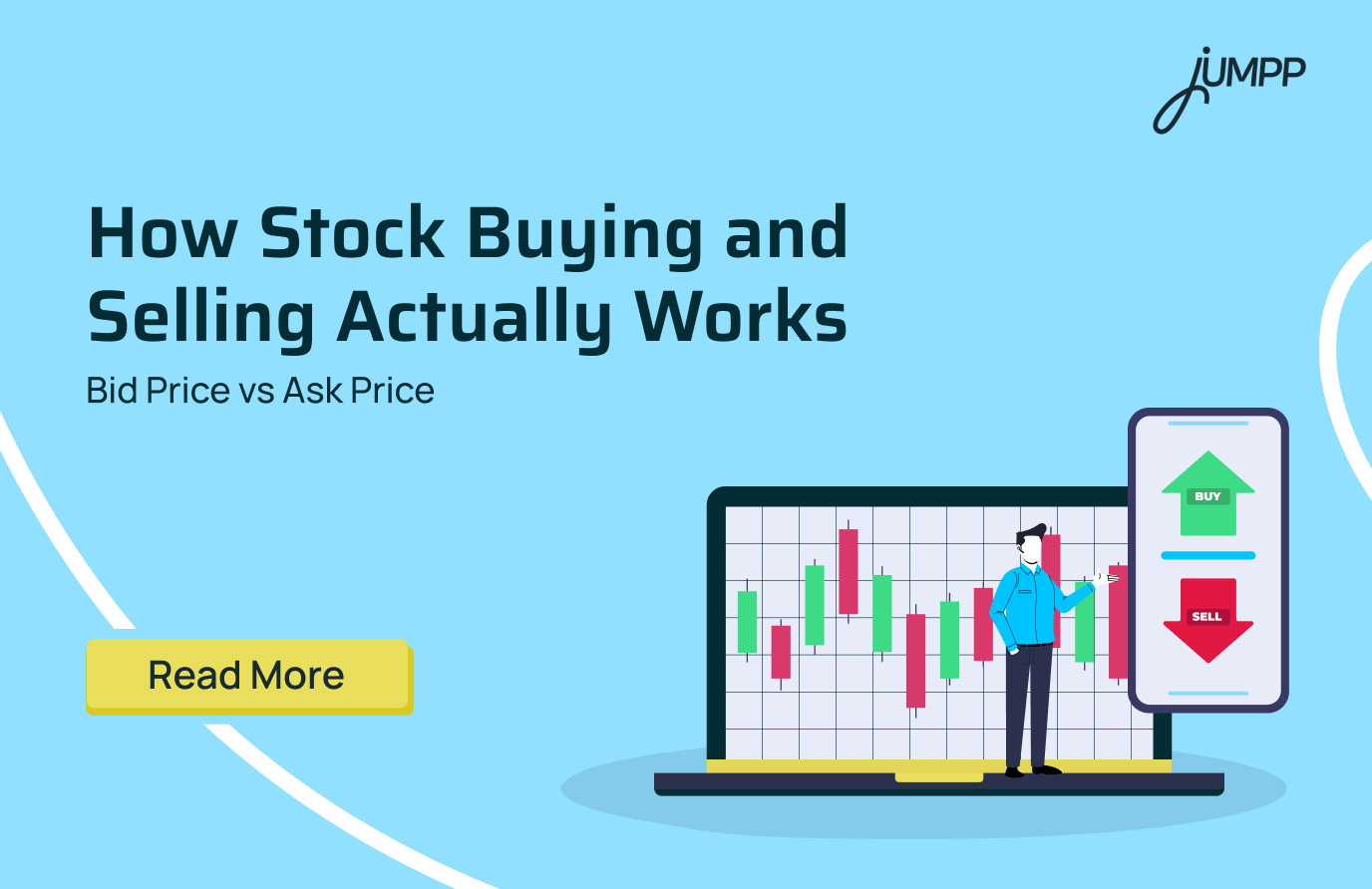
The bid price is the highest price a buyer is willing to pay for a stock, while the ask price is the lowest price a seller is willing to accept. The difference between them is called the bid-ask spread, which reflects liquidity and trading cost.
Bid Price and Ask Price Example
In the Indian stock market (NSE/BSE), the bid price is what buyers are offering, while the ask price is what sellers are demanding. A trade happens when both match.
| Scenario | Price | What Happens |
| Bid Price | ₹2,500 | Buyers are ready to purchase at this price |
| Ask Price | ₹2,510 | Sellers want at least this price |
| Spread | ₹10 | Difference between bid and ask |
Example: If Reliance Industries shares are quoted at ₹2,500 (bid) and ₹2,510 (ask), you will pay ₹2,510 to buy instantly. If you sell immediately, you will receive ₹2,500.
Key insight: Trades execute instantly only when a buyer agrees to the ask price or a seller agrees to the bid price, which is why the spread directly impacts your trading cost.
If you are learning what a bid price and an ask price are, it is equally important to understand your overall money management using financial health indicators before you start trading.
Bid Price vs Ask Price: What is the Difference?
The bid price shows the highest price buyers are currently ready to offer. The ask price reflects the lowest price sellers are ready to accept for the same asset.
The bid is always lower than the ask price.
Here is the detailed difference between the bid price and ask price-
| Term | Meaning | Who Uses It | What It Indicates |
| Bid Price | Highest price buyers are ready to pay | Sellers receive this price | Demand in the market |
| Ask Price | Lowest price sellers are willing to accept | Buyers pay this price | Supply in the market |
| Bid-Ask Spread | Difference between bid and ask | Traders monitor this closely | Liquidity and transaction cost |
Example: If a stock is quoted at ₹1,000 (bid) and ₹1,002 (ask), buyers are offering ₹1,000, while sellers want ₹1,002. A buyer placing a market order will pay ₹1,002.
Key insight: A narrow spread usually means high liquidity and lower trading costs, while a wide spread indicates lower liquidity and higher costs.
Make sure your finances are not under pressure, check your obligations with how to check a loan on a PAN card before investing.
What is the Importance of Bid and Ask Price?
The bid and ask prices help determine how easily you can trade a stock, the cost of trading, and the real-time value of the asset.
- Transaction Cost: You always buy at the ask price and sell at the bid price, so a wider spread directly reduces your returns.
- Liquidity Indicator: A narrow spread means high trading activity, making it easier to enter and exit positions quickly.
- Price Discovery: Bid and ask levels reflect real demand and supply, helping identify the fair market value of a stock.
- Market Sentiment: A widening spread often signals uncertainty or volatility, while a stable, narrow spread indicates confidence.
Key insight: A narrow bid-ask spread means lower cost and smoother execution, while a wide spread increases trading cost and risk.
Now, you can invest easily with a free demat account- download one of the easiest investment apps in India!
Disclaimer– The rankings and figures in this article have been compiled from multiple verified reports, credible news sources, and public financial data available as of 2026.
All values are approximate and may vary with newer updates, revisions, or changes in official records.
Bid Price and Ask Price – FAQs
You buy at the ask price, which is the lowest price a seller is willing to accept. The market buy orders are executed immediately at the current best ask price.
The bid price is what buyers are willing to pay, while the ask price is what sellers are willing to accept. The difference between them is called the bid-ask spread, indicating liquidity and transaction cost.
The 3-5-7 rule suggests risking up to 3% per trade, limiting total exposure to 5%, and targeting at least 7% returns. It is a risk management framework, not a regulated or universally accepted rule.
If a stock is quoted at ₹2,950 (bid) and ₹2,952 (ask), buyers are offering ₹2,950. Sellers want ₹2,952, and a buyer must pay this ask price for instant execution.
In Indian IPOs, investors can place up to three bids with different price and quantity combinations. Bidding at the cut-off price increases the chances of allotment in retail categories.
If a stock shows ₹1,000 as bid and ₹1,005 as ask, buyers are willing to pay ₹1,000 while sellers want at least ₹1,005. A trade happens when both agree on a price.
In India, a PE ratio of 15 to 25 and PB ratio of 1 to 3 is generally considered reasonable, depending on the sector. However, high-growth companies often trade at higher ratios.
If buyers place an order to purchase a stock at ₹500, that ₹500 becomes the bid price. It reflects the highest demand price currently available in the market.
You sell at the bid price, which is the highest price buyers are ready to pay. Selling at market price executes instantly at this bid level.
You usually buy at the ask price for instant execution, as it is the lowest price sellers accept. Buying at a bid may delay execution unless a seller agrees.
This situation is rare and indicates a mismatch or fast market movement, leading to immediate trade execution. It usually corrects instantly due to arbitrage.
Both bid and ask exist simultaneously in the order book, reflecting real-time demand and supply. There is no fixed sequence as both update continuously.
You can see bid and ask prices in your trading app or exchange platform under market depth. These values update live based on buyer and seller orders.
To get a bid, you place a sell order in the market or request quotes through your broker. Buyers will respond with prices they are willing to pay.
The ask price is always higher than the bid price in normal market conditions. This difference exists due to the bid-ask spread.
Neither is better; they serve different purposes in trading. Buyers focus on the ask price while sellers depend on the bid price for execution.
The 2% rule means you should not risk more than 2% of your total capital on a single trade. This helps limit losses and protect your trading account during volatility.
The 90% rule suggests that 90% of traders lose most of their capital within the first 90 days. It highlights the importance of discipline, risk management, and proper learning before trading.