Annapurna Yojana Scheme (APS): Free Food Grains for Eligible Elderly Citizens
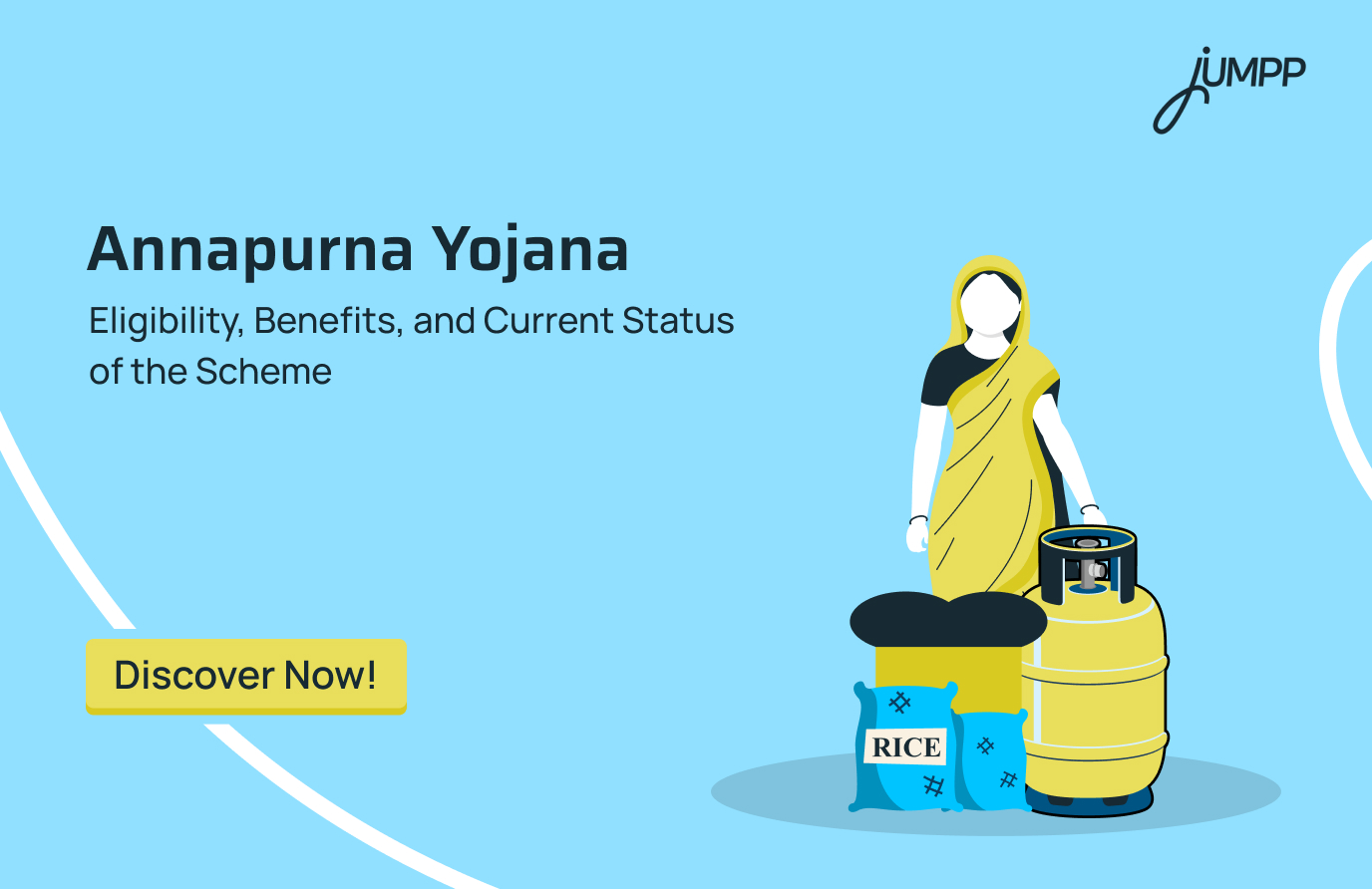
Food security becomes a serious concern when elderly citizens are left without regular income or pension support. The Annapurna Scheme was introduced by the Government of India to address this exact gap by ensuring free food grains for destitute senior citizens who are eligible but not covered under pension schemes.
This article explains Annapurna Scheme eligibility, APS benefits, the application process, and the documents required.
What is the Annapurna Scheme?
The APS scheme, also known as the Annapurna Scheme, was launched by the Indian government in 2000 to support destitute senior citizens. It provided 10 kilograms of free food grains every month to elderly people who were eligible for old age pensions but were not receiving benefits under the National Old Age Pension Scheme. The aim was to ensure basic food security and nutrition for vulnerable elderly citizens. Over time, the scheme faced implementation challenges and its relevance declined after the introduction of the National Food Security Act in 2013.
If food support is not the primary need, senior citizens can consider income assistance through IGNOAPS, which provides a monthly pension to elderly citizens aged 60 years and above from below poverty line households.
Objective of the Annapurna Scheme
The Annapurna Scheme aims to provide food security to senior citizens who are eligible but remain uncovered under the National Old Age Pension Scheme.
Under the scheme, 10 kilograms of food grains per month are provided free of cost to beneficiaries, initially covering 20 percent of the eligible NOAPS population in States and Union Territories.
APS Eligibility Criteria
Here are the common eligibility conditions for the Annapurna Scheme-
- The applicant must be 65 years of age or above, for both men and women.
- The applicant must be destitute, with little or no regular income from personal sources, family, or other means, as defined by the State or Union Territory.
- The applicant should not be receiving a pension under the National Old Age Pension Scheme, the Indira Gandhi National Old Age Pension Scheme, or any state pension scheme.
APS Benefits
For many elderly citizens, the most pressing concern is not investment or savings, but whether there will be enough food for the month, and the Annapurna Scheme exists precisely to address that quiet but urgent need.
- Free food grains: Eligible senior citizens receive 10 kilograms of food grains every month at no cost.
- Targeted support: The scheme focuses on indigent senior citizens aged 65 years or above who are eligible for but not covered under IGNOAPS.
- Food security: It helps beneficiaries meet their basic nutritional requirements and reduces food insecurity among the elderly.
- Government-sponsored: The scheme is sponsored by the Government of India as part of its social welfare initiatives.
- State-level implementation: The scheme is implemented by state governments, with some states offering their own variations, such as providing 10 kilograms of rice free of cost.
APS Application Process
Applications for the Annapurna Scheme are handled by state governments through a decentralised process, as there is no national online portal.
Beneficiaries are identified by local bodies such as Gram Panchayats in rural areas and Municipalities in urban areas, often through Gram Sabhas after public announcements.
Process of Application
- Submit a simple written application on plain paper to the Panchayat Pradhan in rural areas or to the Notified Area Committee or Municipality in urban areas.
- The Gram Panchayat, or local body, verifies eligibility, prepares and displays a beneficiary list for transparency, and forwards the approved names to district authorities or the concerned welfare department.
- After approval, a special ration card is issued by the Panchayat Pradhan, District Food and Supplies Controller, or the state food department for the monthly collection of 10 kilograms of food grains from fair price shops.
APS Documents Required
- Proof of age, such as a birth certificate or voter identity card.
- BPL or ration card, where applicable.
- Aadhaar card.
- Income certificate or destitution certificate, as required by the State or Union Territory.
- Address proof and a declaration confirming that no other pension is being received.
- Document requirements may vary by state, so beneficiaries should contact the local civil supplies office or rural development office for state-specific details.
Is APS or APY the Same?
No, APS and APY are not the same.
APS refers to the Annapurna Scheme, which provides free food grains to destitute senior citizens who are not receiving any pension.
APY refers to the Atal Pension Yojana, which is a contributory pension scheme that offers a guaranteed monthly pension after the age of 60 for individuals who regularly contribute during their working years.
Disclaimer– The rankings and figures in this article have been compiled from multiple verified reports, credible news sources, and public financial data available as of 2026.
All values are approximate and may vary with newer updates, revisions, or changes in official records.
Source: https://nsap.nic.in/
APS Scheme – FAQs
The Annapurna Yojana is a central government welfare scheme that provides free food grains to indigent senior citizens who are eligible for but not covered under the National Old Age Pension Scheme. It focuses on ensuring basic food security for the elderly.
The Annapurna scheme was launched by the Government of India through the Ministry of Rural Development. It was introduced as part of the broader social assistance framework for senior citizens.
The Annapurna scheme was officially started on 1 April 2000. It was launched to address food insecurity among vulnerable elderly citizens.
Under the scheme, eligible beneficiaries receive 10 kilograms of food grains such as rice or wheat every month. These food grains are provided completely free of cost.
The national Annapurna Scheme is implemented across all States and Union Territories through their food and civil supplies departments. In addition, several states run separate welfare schemes using the name Annapurna with different benefits and objectives.
The central Annapurna Scheme was launched in the year 2000, with effect from 1 April 2000. State-specific Annapurna schemes were introduced later in different years depending on state policies and welfare priorities.