Difference Between Debit Card and Prepaid Card Explained: Which One Should You Choose?
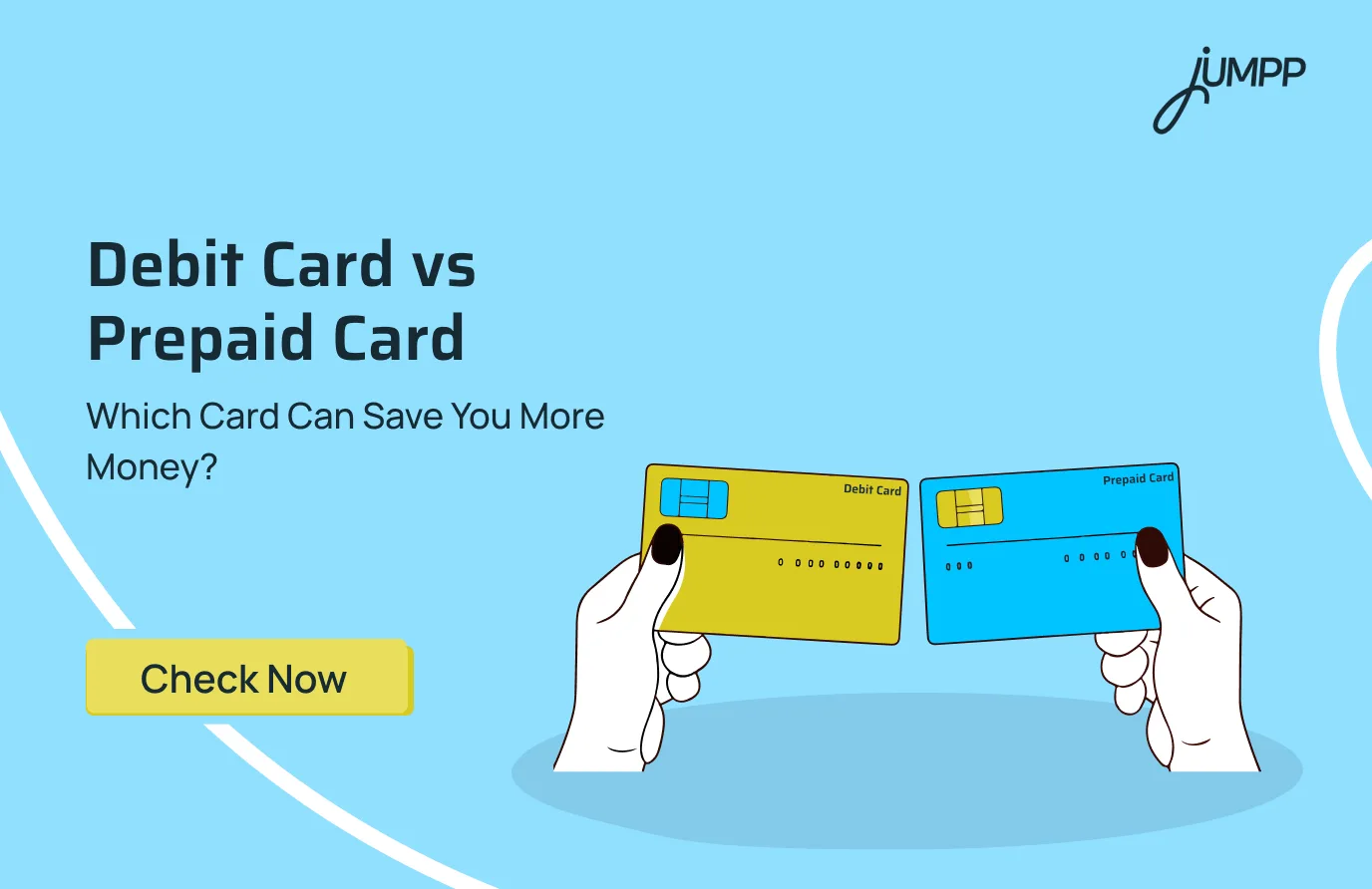
Cashless payments have become a part of everyday life, whether you are shopping online, paying utility bills, withdrawing cash, or making purchases at stores. Among the most popular payment options are debit cards and prepaid cards. While both allow you to make digital payments, they work differently and are designed for different purposes.
In this blog, understand the basic difference between a debit card and a prepaid card.
Debit Card Meaning
A debit card is a payment card issued by a bank and linked directly to your savings or current account. Whenever you use it to make a payment or withdraw cash, the amount is deducted instantly from your available bank balance.
Unlike a credit card, a debit card does not allow you to borrow money. You can only spend the funds available in your account, making it a convenient option for managing everyday expenses.
Also read: What is the real difference between a credit card and a debit card?
How Debit Cards Work
A debit card provides direct access to the money available in your bank account.
Here is how a debit card works:
- Swipe, insert, tap, or use the card for an online payment.
- The merchant sends a payment request to your bank.
- The bank checks whether sufficient funds are available.
- If approved, the amount is deducted from your account.
- The merchant receives confirmation, and the transaction is completed.
Similarly, when you withdraw cash from an ATM, the amount is instantly deducted from your account balance.
Debit Card Features
Debit cards offer several features that make everyday banking simple and secure.
- Directly Linked to Your Bank Account
Every transaction is connected to your savings or current account, allowing you to access your funds without visiting a bank.
- ATM Cash Withdrawals
Debit cards allow you to withdraw cash from ATMs across India and internationally, depending on the card type.
- Secure Transactions
Payments are protected through PIN authentication, OTP verification, EMV chip technology, and other security measures introduced by banks.
- Online and Offline Payments
You can use a debit card for shopping on websites, mobile apps, in retail stores, at restaurants, at fuel stations, and for utility bill payments.
- Contactless Payments
Many debit cards support tap-and-pay technology, enabling faster payments for eligible transactions.
Debit Card Benefits
A debit card offers several advantages for day-to-day financial transactions.
- Helps Control Spending
Since payments are deducted directly from your bank account, you can only spend the money you already have.
- No Interest Charges
Unlike credit cards, debit cards do not involve borrowing, so there are no interest costs on purchases.
- Convenient and Easy to Use
Debit cards eliminate the need to carry large amounts of cash while making payments quick and hassle-free.
- Easy Access to Cash
You can withdraw cash anytime from ATMs whenever required.
- Widely Accepted
Most debit cards are accepted at millions of merchants worldwide for both online and offline transactions.
Types of Debit Cards
Banks offer different types of debit cards to suit varying customer needs.
1. Standard Debit Card
A basic debit card is issued with most savings and current accounts for regular transactions.
2. Contactless Debit Card
Uses Near Field Communication (NFC) technology to enable tap-and-pay transactions without inserting the card into the payment terminal.
3. Virtual Debit Card
A digital version of a debit card used mainly for secure online shopping and app-based payments.
4. International Debit Card
Allows cardholders to make purchases and withdraw cash in multiple countries.
5. Premium Debit Card
Offers additional benefits such as airport lounge access, higher transaction limits, cashback, reward points, and insurance coverage.
Prepaid Card Meaning
A prepaid card is a payment card that stores money loaded onto it before use. Unlike a debit card, it is not directly connected to your bank account.
You can only spend the amount available on the card. Once the balance is exhausted, you need to reload the card if it supports reloading before using it again.
How Prepaid Cards Work
A prepaid card works using money that has already been added to the card.
The process is simple:
- Load funds onto the prepaid card.
- Use it for eligible purchases or ATM withdrawals.
- The transaction amount is deducted from the available balance.
- The remaining balance updates after every payment.
- Reload the card whenever additional funds are required.
Because spending is limited to the loaded amount, prepaid cards prevent overspending and overdrafts.
Prepaid Card Features
Prepaid cards include several useful features that make them suitable for controlled spending.
- Preloaded Funds
Money must be added to the card before it can be used for transactions.
- No Bank Account Required
Many prepaid cards can be used without opening a savings or current account.
- Reloadable Options
Several prepaid cards allow users to reload money through bank transfers, direct deposits, or authorised retail outlets.
- Controlled Spending
You cannot spend more than the available balance loaded onto the card.
- Accessible to More Users
Most prepaid cards do not require a credit history, making them accessible to a wider range of users.
Benefits of Prepaid Cards
Prepaid cards offer several advantages for both personal and business use.
- Better Budget Management
Since spending is limited to the available balance, prepaid cards help users stick to a fixed budget.
- No Overdraft Charges
Transactions are declined if there are insufficient funds on the card.
- Suitable for People Without Bank Accounts
Prepaid cards allow users to make digital payments even without a traditional bank account.
- Safer for Travel
Many travellers prefer prepaid cards to avoid exposing their primary bank accounts while travelling.
- Useful for Controlled Spending
Parents can provide allowances to children, while businesses can distribute employee benefits using prepaid cards.
Types of Prepaid Cards
Different prepaid cards are designed for different purposes.
1. Open-Loop Prepaid Card
These cards carry payment network logos such as Visa or Mastercard and can be used at most merchants that accept those networks.
2. Closed-Loop Prepaid Card
These cards can only be used at a specific retailer or brand, making them popular as gift cards.
3. Payroll Card
Employers load employee salaries directly onto these cards instead of issuing cheques or requiring bank transfers.
4. Gift Card
Gift cards are preloaded with a fixed amount and are commonly used for gifting.
5. Travel Prepaid Card
Designed for international travel, these cards often support multiple foreign currencies and offer convenient overseas payments.
Prepaid Card Uses
Prepaid cards can be used in many practical situations.
- Shopping online without exposing your primary bank account.
- Managing travel expenses.
- Giving spending allowances to children or teenagers.
- Paying employee salaries through payroll cards.
- Purchasing gift cards for friends and family.
- Managing subscriptions or setting spending limits for specific expenses.
Difference Between a Debit Card and a Prepaid Card
| Feature | Debit Card | Prepaid Card |
| Meaning | Linked directly to a bank account | Loaded with money before use |
| Source of Funds | Bank account balance | Preloaded balance |
| Bank Account Required | Yes | Not always |
| Reload Required | No | Yes, after the balance is used |
| Spending Limit | Available account balance | Loaded card balance |
| ATM Withdrawals | Yes | Available on eligible cards |
| Overdraft Facility | May be available if offered by the bank | Not available |
| Best For | Everyday banking and payments | Budgeting, travel, gifting, and controlled spending |
| Typical Fees | Bank-related charges may apply | Activation, reload, or maintenance fees may apply |
Want to understand how credit cards differ from debit and prepaid cards?
Before choosing the right payment method, explore these credit card usage tips to learn how credit cards work, how to avoid common mistakes, and how to use them responsibly for everyday spending.
Debit Card vs Prepaid Card: Which One Should You Choose?
Both debit cards and prepaid cards offer a convenient way to make cashless payments, but the right choice depends on your financial needs and spending habits.
Who Should Use a Debit Card?
A debit card is suitable for:
- Individuals with a savings or current bank account.
- People who want to avoid borrowing money.
- Users who make regular, everyday purchases.
- Those looking for a convenient payment method for bills and shopping.
- Anyone who wants better control over personal spending.
Who Should Use a Prepaid Card?
A prepaid card is ideal for:
- Individuals without a bank account.
- People who want stricter control over spending.
- Parents managing children’s expenses.
- Frequent travellers.
- Users who want a separate payment card for online shopping.
- Businesses distributing employee payments or incentives.
Start Your Financial Journey with jUMPP
Open a Zero Balance Savings Account with jUMPP and access smart tools to track your net worth, manage your wealth, make seamless UPI payments, and stay on top of your finances, all from one app.
Disclaimer- The rankings and figures in this article have been compiled from multiple verified reports, credible news sources, and public financial data available as of 2026.
All values are approximate and may vary with newer updates, revisions, or changes in official records.
FAQs
A debit card is linked directly to your bank account and lets you make payments or withdraw cash. Every transaction deducts money instantly from your available account balance.
A prepaid card stores money that you load onto it in advance and is not linked to a bank account. Unlike a debit card, you can only spend the amount available on the card.
Yes, prepaid cards can be used for shopping in stores, online purchases, and bill payments wherever they are accepted. They work like debit cards but only up to the preloaded balance.
No, prepaid cards do not require a bank account or a credit check. You can add funds through cash deposits, direct deposits, or other supported reload methods.
A debit card is connected to your bank account, while a prepaid card holds funds loaded onto the card itself. Debit cards usually have lower fees, whereas prepaid cards may include activation, reload, or monthly charges.
Prepaid cards reduce financial risk because they are not connected to your bank account. Debit cards often provide stronger fraud protection, but a security breach may temporarily affect your bank balance.
Prepaid cards may charge activation, monthly maintenance, reload, or inactivity fees. Debit cards generally have fewer fees, although ATM or overdraft charges may apply depending on your bank.
Yes, many prepaid cards allow ATM cash withdrawals if the feature is supported. Keep in mind that both the card issuer and the ATM operator may charge withdrawal fees.
Prepaid cards are suitable for people without a bank account or anyone who wants better control over spending. They are also useful for teenagers, travel, or managing a fixed budget.
Debit cards provide convenient access to your bank account and everyday banking services but expose your account to potential fraud. Prepaid cards help control spending and avoid overdrafts, although they often come with higher fees and fewer banking features.