How to Track Daily Expenses in India: The Simplest Method for Beginners
Tracking daily expenses helps you understand where your money goes every month, reduce unnecessary spending, and improve savings habits. The easiest way to start is by using a simple expense tracker app that records your spending category-wise.
In this guide, you will learn:
- How to track daily expenses easily
- The best daily expense tracker methods for beginners
- How monthly expense tracking improves savings
- whether you should use an expense tracker app
- How tools like jUMPP AI can simplify money management
Why Is Monthly Expense Tracking Important?
Monthly expense tracking helps people understand where their money is actually going every month.
Tracking monthly expenses helps in the following –
- It becomes easier to see where most of the monthly income is actually going, especially in categories that usually get ignored.
- Small things like unused subscriptions, impulsive shopping, late-night food orders, or convenience spending become much more noticeable over time.
- Savings improve gradually when unnecessary expenses are identified and reduced consistently
- Planning for goals like emergency savings, investments, travel, or loan repayment becomes easier when expenses are properly tracked
- Expense tracking also helps control lifestyle inflation as income increases over time
- Over time, tracking monthly expenses naturally builds stronger money management habits and spending discipline
How to Track Your Daily Expenses in India
Tracking daily expenses in India becomes easier when spending is organised through an expense tracking app, automated tools, spreadsheets, or simple budgeting systems.
Here is how you can do monthly expense tracking –
1. Use an Automated Expense Tracking App for UPI Spending
For people making multiple UPI payments daily, automated tracking is usually the easiest method.
An expense tracker app that Indian users prefer generally helps categorise expenses automatically, track monthly spending patterns, monitor subscriptions, review category-wise expenses, and improve budgeting visibility.
This method works well for all.
2. Track Cash Expenses Separately
Cash spending still forms a major part of daily expenses in India. Expenses like tea and snacks, local transport, parking charges, market shopping, and small grocery purchases often go untracked because they feel insignificant individually.
Over a month, these small transactions can add up to a noticeable amount and affect savings without people realising it.
Using a personal expense tracker app in India, users can easily track these expenses more accurately.
3. Categorise Spending Clearly
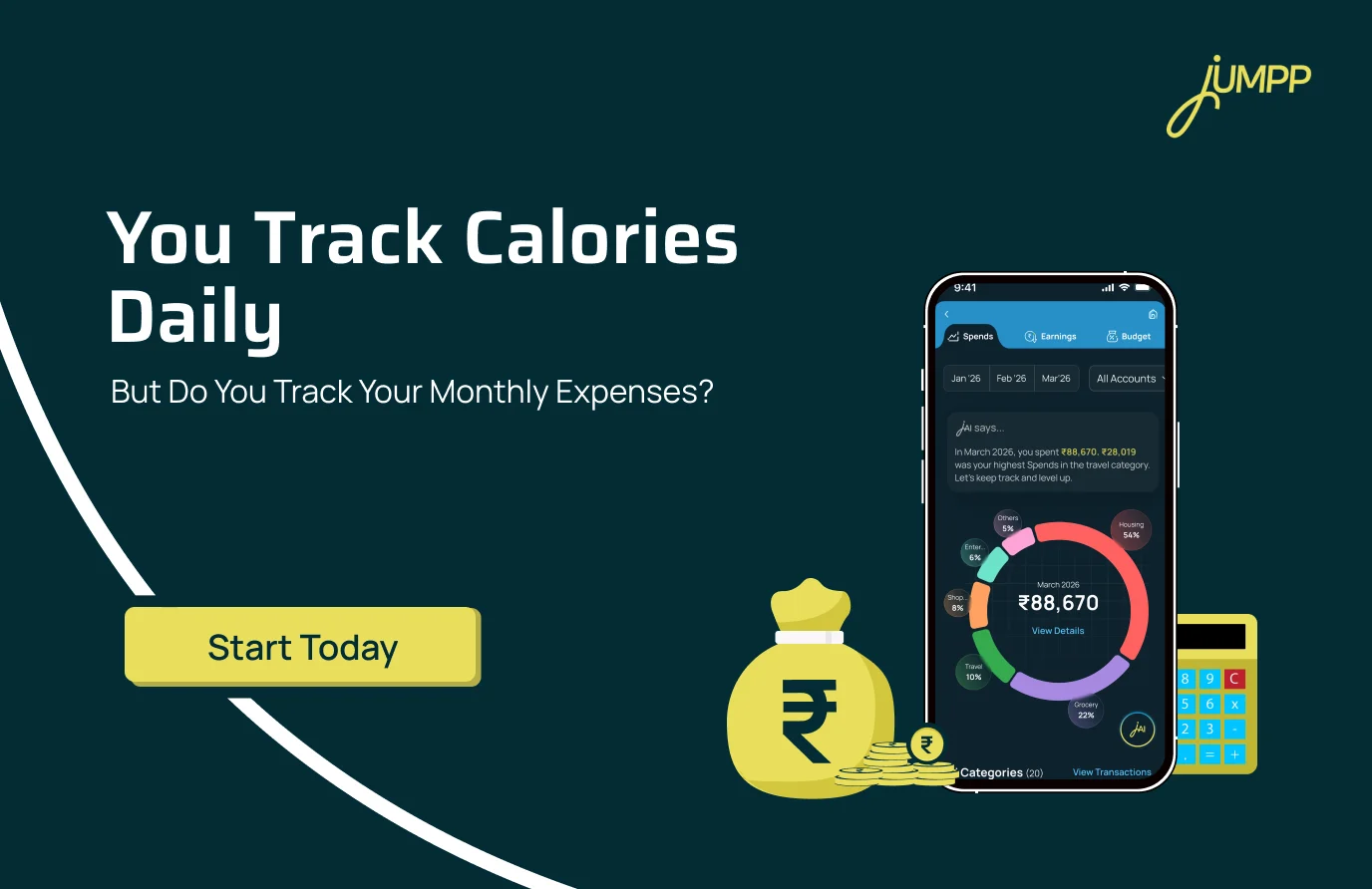
Expense tracking becomes easier when spending is divided into simple categories like groceries, rent and bills, transport, food delivery, shopping, entertainment, and savings or investments.
Clear categorisation improves monthly expense tracking and helps identify unnecessary spending patterns faster.
It also becomes easier to understand which category consumes the largest share of monthly income.
4. Keep Daily Spending Limited to Fewer Accounts
Using multiple bank accounts, cards, and payment apps often makes expense tracking confusing.
Know how to pay a credit card bill with another credit card.
Managing daily expenses through one primary bank account, one UPI app, and one main card usually improves spending visibility and tracking accuracy.
This also makes reviewing monthly expenses much simpler.
5. Follow Practical Spending Habits Along With Tracking
Expense tracking works better when combined with practical financial habits.
Setting monthly spending limits, reviewing expenses weekly, delaying impulsive purchases, reducing unused subscriptions, and controlling convenience spending can improve money management gradually.
6. Track Financial Progress Beyond Expenses
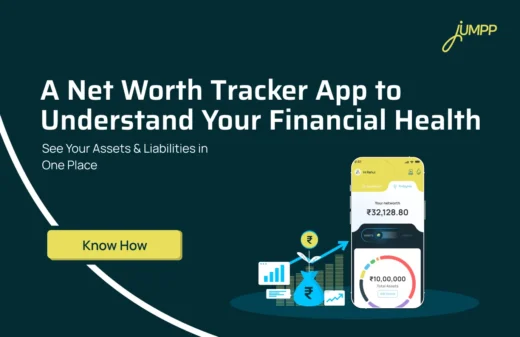
Expense tracking becomes more useful when it is combined with a broader view of your finances. Many people now prefer using a money management app that also tracks savings, investments, liabilities, and financial goals in one place.
5 Reasons Indians Must Track Their Daily Expenses
Tracking daily expenses helps people make budgeting, saving, and controlling unnecessary spending much easier over time.
1. UPI Makes Overspending Very Easy
Most people today make multiple small UPI payments without even thinking twice.
₹149 for food delivery.
₹299 during an online sale.
₹120 for coffee after work.
₹450 for a quick Blinkit order.
Individually, these amounts feel small. But by the end of the month, they often add up to thousands of rupees.
Explore the difference between UPI and net banking!
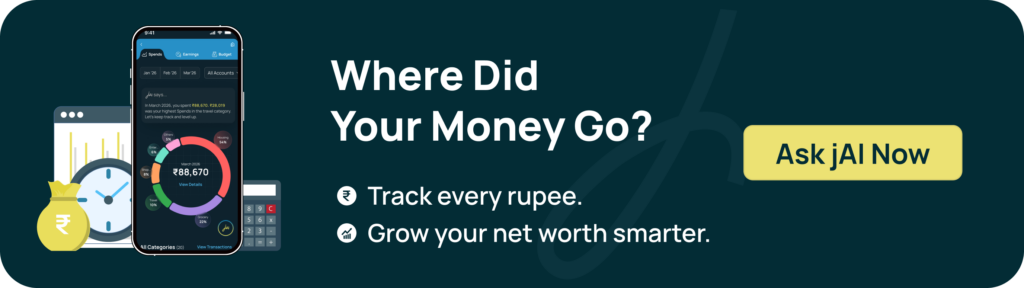
Tracking expenses helps people understand where their money is actually going and makes it easier to stay within a monthly budget.
2. Higher Salaries Are Not Always Increasing Savings
Many people earn far more today than they did a few years ago. But despite salary growth, savings often do not increase at the same pace.
This usually happens because expenses also grow gradually through:
- more online shopping
- frequent ordering
- subscriptions
- convenience spending
- weekend spending habits
Expense tracking helps people notice lifestyle inflation before it starts affecting long-term savings.
3. Small Daily Expenses Quietly Reduce Savings
Big expenses are easy to remember. Small daily spending usually is not.
Things like:
- snacks and chai breaks
- cabs and auto rides
- quick grocery deliveries
- subscriptions
- impulse shopping during sales
may not feel expensive in the moment, but together they can quietly reduce monthly savings.
Tracking daily expenses helps identify these spending patterns early.
4. Financial Stress Increases Without Spending Transparency
Many people feel financially stressed, not because they earn too little, but because they do not clearly know where their money is spent every month.
Without tracking:
- Budgeting becomes confusing
- Savings feel inconsistent
- Salary starts feeling insufficient
- Financial planning becomes difficult
5. Expense Tracking Naturally Improves Money Habits
When people start tracking expenses regularly, they automatically become more aware of their spending behaviour.
Over time, many people start:
- reducing unnecessary purchases
- saving more consistently
- planning expenses better
- making smarter financial decisions
The goal is not to stop spending money.
The goal is to understand spending better and build healthier financial habits over time.
An Easy-to-Use Expense Tracker App for Daily Budgeting
Tracking expenses manually becomes difficult after a point, especially when daily spending happens across UPI apps, cards, subscriptions, and online shopping platforms.
This is where AI-powered budgeting and expense tracking tools can simplify money management.
jUMPP AI is designed to help users track spending patterns, analyse expenses, and improve budgeting decisions through AI-powered financial insights.
jAI stands for jUMPP Artificial Intelligence. It works like a smart finance assistant that helps users:
- track daily spending
- analyse spending habits
- create smarter budgets
- improve financial visibility
- organise monthly expense tracking more efficiently
Like most AI-powered finance tools, jAI requires secure access to financial data to provide personalised spending analysis and budgeting support.
How jAI Tracks Your Daily/Monthly Spending and Helps You Budget
Step 1: Go to the main dashboard.
Step 2: Tap on Add/Link Account.
Step 3: You will be asked to grant permission via Account Aggregator to securely link your accounts.
Step 4: Once done, jAI will automatically start tracking your spends and categorise them smartly.
Step 5: It can track your spending habits and create smart budgets for you.
Watch: How to Track Daily Expenses in India Using jAI by jUMPP
Tracking expenses regularly may feel small at first, but it can completely change how people budget, save, and manage money over time. Start tracking with jAI (expense tracker platform in India).
How to Track Daily Expenses in India – FAQs
Using an expense tracking app is one of the easiest ways to track daily expenses in India because it records UPI payments, subscriptions, bills, shopping, and cash spending in one place.
You can keep track of daily expenses through an expense tracker app, spreadsheet, budgeting app, or daily spending notes. Reviewing expenses weekly also improves spending awareness.
Monthly expense tracking helps identify unnecessary spending, improve budgeting decisions, reduce financial leakage, and increase savings consistency.
The 50-30-20 rule is commonly used by beginners. It divides income into 50% for needs, 30% for wants, and 20% for savings and investments.
The 7-day rule helps reduce impulsive spending by encouraging people to wait seven days before making a non-essential purchase.
Yes. Small cash expenses like snacks, tea, transport, parking, and market shopping often go unnoticed but affect monthly savings over time.
A good expense tracker app should help users categorise expenses, monitor spending patterns, track subscriptions, and improve budgeting visibility.
Yes. A Net worth app helps track savings, liabilities, investments, and financial goals, along with expense tracking for better financial visibility.