Keyman Insurance Policy in India (2026): Meaning, Benefits, Coverage and Limitations
When businesses plan for risk, they think about markets, cash flow, and competition. Very few plan for the sudden absence of the one person who keeps everything running. That gap is exactly where Keyman Insurance fits in.
In this blog, learn the purpose and benefits of a keyman insurance policy.
What is a Keyman Insurance Policy?
A Keyman Insurance Policy is a life insurance plan taken by a company on a crucial employee whose role directly impacts business performance.
The company pays the premium and receives the payout if the key person dies or becomes permanently disabled.
Key Features of Keyman Insurance Policy
- Business protection: It helps the company handle financial disruption caused by the loss of a key individual.
- Company as beneficiary: The payout is received by the business itself, ensuring immediate liquidity support.
- Covers critical roles: This applies to founders, directors, or employees whose absence can affect revenue or operations.
- Flexible coverage amount: The sum assured is usually linked to the person’s contribution or company valuation.
- Supports business continuity: Funds can be used to repay liabilities, retain confidence, or onboard replacements.
- Tax consideration: Premiums may qualify as a business expense depending on prevailing tax rules in India.
At its core, Keyman Insurance works very similarly to what people understand as term life insurance, simple protection that supports financially when something unexpected happens.
Keyman Insurance Coverage
It coverage provides a payout to manage losses, protect operations, and ensure the company does not face sudden financial instability.
- Death cover: It provides a lump sum payout to the company if the key person passes away during the policy term.
- Disability protection: Some policies also include coverage if the individual becomes permanently disabled and unable to work.
- Loss of profits coverage: This helps compensate for revenue disruption caused by the absence of a key contributor.
- Debt protection: The payout can be used to repay business loans or financial obligations linked to that individual.
- Replacement cost support: It allows the business to fund hiring, training, and transition costs for a new employee.
- Policy types: Coverage is usually structured as term insurance or, in some cases, long-term plans, depending on business needs.
- Coverage amount basis: This is generally calculated based on the person’s salary, role, or contribution to company profits.
- Tax treatment in India: Premiums are treated as business expenses under Section 37(1) as per guidelines from the Central Board of Direct Taxes.
Keyman Insurance Roles
Keyman Insurance involves specific roles that define who buys the policy, who is covered, and who provides the coverage.
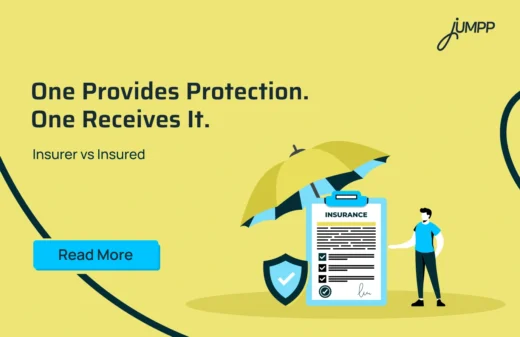
- The business or employer (policyholder): This is the entity that initiates the policy, pays the premiums, and holds full control over it.
- The key person (insured individual): This refers to the employee whose expertise, leadership, or relationships are critical to the company’s functioning.
- The insurer (insurance provider): This is the company that underwrites the risk, issues the policy, and settles claims as per the terms.
- Internal decision makers: They identify who qualifies as a key person based on impact, not just designation.
- Financial and compliance teams: These ensure documentation, valuation, and tax treatment are handled correctly in line with Indian regulations.
- External advisors, if involved: They may assist in structuring the policy, especially for growing businesses or complex ownership setups.
While Keyman Insurance protects the business, understanding life insurance meaning is equally important for individual financial planning.
Types of Keyman Insurance in India (2026)
Keyman insurance in India is mainly offered in a few structured forms based on the type of risk a business wants to cover.
| Type | What it Covers | When It Is Used |
| Keyman Term Insurance | It provides pure life cover for a fixed period with a lump sum payout on death. | This is the most common option used for cost-effective, high coverage protection. |
| Keyman Disability Cover | It offers financial support if the key person becomes permanently disabled and cannot work. | This is useful when the role depends heavily on active involvement or skills. |
| Keyman Critical Illness Cover | It pays a lump sum if the insured is diagnosed with specified serious illnesses. | This helps manage sudden medical-related disruption in leadership or operations. |
| Keyman Whole Life Insurance | It provides lifelong coverage and may include a savings or cash value component. | This is chosen by businesses looking for long-term coverage with added financial value. |
Keyman Insurance Benefits
It helps businesses stay financially stable if a crucial employee is no longer available due to death or disability.
It provides a lump sum payout that can be used to manage losses, repay debts, and maintain operations without disruption.
- Business continuity support: It ensures the company can continue day-to-day operations without immediate financial stress.
- Protection against profit loss: This helps compensate for the revenue impact caused by the absence of a key contributor.
- Debt and liability coverage: It can be used to clear outstanding loans or obligations and avoid financial strain.
- Hiring and training support: The payout allows the business to recruit and train a suitable replacement.
- Tax efficiency: Premiums are generally treated as business expenses under guidelines from the Central Board of Direct Taxes.
- Improves stakeholder confidence: This reassures investors and lenders about the company’s preparedness.
- Covers disability risks: Some policies extend coverage if the key person becomes permanently disabled.
Limitations of Keyman Insurance You Must Not Avoid
Keyman insurance offers strong protection, but it is not a complete replacement for the financial and strategic value a key individual brings to the organisation.
- No maturity or survival benefit: This works as a pure risk cover, so there is no payout if the key person survives the policy term.
- Taxable claim amount: While premiums may be treated as expenses, the final payout is usually taxed as business income under rules guided by the Central Board of Direct Taxes.
- Limited replacement of actual loss: It provides financial support, but it cannot replace experience, relationships, or leadership impact.
- Policy linked to employment status: If the key employee leaves or retires, the policy may need to be terminated or reassigned.
- Eligibility constraints: This typically applies to financially stable businesses, and companies with weak financials may face restrictions.
- Higher premium costs: The cost depends on age, health, and role importance, which can make premiums relatively expensive.
- Restricted flexibility: Options like loans against the policy or multiple add-on benefits are usually limited.
- Consent requirement: The policy cannot be taken without the knowledge and agreement of the insured individual.
This makes it important for businesses to treat keyman insurance as one part of a broader risk management strategy, not the only safeguard.
How to Do a Keyman Insurance Policy Purchase in India (2026)
A keyman insurance policy in India is purchased by a company through an insurer after evaluating the key employee’s financial impact and completing required documentation, with the company paying the premium and receiving the payout.
- The process involves identifying a key employee whose role directly impacts business performance.
- It requires evaluating the financial value or contribution of that individual.
- Keyman insurance policy purchase includes submitting documents such as financial statements, ITRs, and salary proof.
- It is done through insurers or corporate insurance advisors.
- This process ensures the company remains the policyholder and beneficiary.
Want to protect your business finances beyond insurance? Try jUMPP, a wealth management app, to track your daily/monthly expenses, manage your cash flow, and make smarter financial decisions with AI-powered insights.
Keyman Insurance Policy – FAQs
There is no fixed legal limit, but insurers in India usually allow entry between 18 to 65 years, depending on policy terms and risk assessment.
ITC is generally not allowed, unless the company is legally required to provide such insurance to employees.
The amount received is treated as business income in the hands of the company and is taxable.
Life and general insurance services are usually taxable under GST, but certain schemes like government-backed social insurance or health schemes may have exemptions or lower rates depending on policy structure.
In Keyman insurance, yes, the payout is taxable as business income and does not qualify for exemption under Section 10(10D).
It is a business life insurance policy taken by a company on a key employee, where the company pays the premium and receives the payout.
Any employee, director, or partner who is crucial to the business and directly impacts profits or operations can be insured.
Keyman insurance protects the business, while life insurance protects the individual’s family. The company is the beneficiary of Keyman insurance.
Yes, Keyman insurance proceeds are taxable in India as business income for the employer, including maturity, surrender, or death benefits. Premiums paid are allowed as a business expense deduction under Section 37(1) of the Income Tax Act, 1961.