Policy Lapse Meaning: What Happens When an Insurance Policy Lapses in India
Many people pay insurance premiums regularly for years. But sometimes a payment is missed, a reminder is ignored, or finances become tight. When this happens, the policy can become inactive. This situation is called a policy lapse.
Understanding the policy lapse meaning is important because a lapsed policy can lead to loss of your coverage, benefits, and even financial protection for your family.
What Is the Policy Lapse Meaning?
A policy lapse means an insurance policy becomes inactive because the policyholder did not pay the premium within the due date or grace period. Once this happens, the insurer stops providing coverage until the policy is revived.
Does lapse mean expired?
Not necessarily. A lapsed policy can often be revived if the policyholder pays pending premiums within the revival period allowed by the insurer.
However, if the policy remains unpaid for a long time, revival may become difficult or impossible.
In insurance, lapsed meaning refers to a policy that is no longer active because premiums were not paid on time.
This means:
- Insurance coverage stops
- Claims may not be accepted
- Benefits attached to the policy may be lost
Understand the key differences between insurance and assurance and how they affect policy coverage.
Policy Lapse Example
Ravi bought a life insurance policy with an annual premium of ₹20,000. He paid the premium regularly for the first two years. In the third year, Ravi forgot to pay the premium even after the grace period of 30 days. Because the payment was not made within the allowed time, the insurance company lapsed the policy, which means the coverage stopped and the benefits were no longer active.
If Ravi wants to continue the policy, he may need to revive the policy by paying the pending premium along with penalties, depending on the insurer’s revival rules.
What Are the Reasons for Policy Lapse?
The most common causes are related to missed payments or a lack of policy awareness.
Common reasons include:
1. Missed Premium Payments
This is the most common reason for a policy lapse. When premiums are not paid within the due date or grace period, the policy may lapse.
2. Financial Difficulties
Temporary financial pressure can make it difficult for policyholders to continue paying regular premiums.
3. Lack of Awareness
Some policyholders are not fully aware of the importance of timely premium payments or the consequences of a policy lapse.
4. Change in Contact Details
If the insurer does not have updated contact details, the policyholder may miss payment reminders or important notifications.
5. Complex Payment Methods
Policies that require manual payments without automatic debit options have a higher risk of missed premium payments.
What Happens If the Policy Lapses?
When a policy lapses, insurance coverage stops because the premium was not paid within the grace period. Claims are usually not accepted during the lapse period unless the policy is revived.
Several consequences may occur once the policy becomes inactive.
- Insurance coverage stops immediately
- Claims may be rejected during the lapse period
- Life cover protection ends
- Bonuses or accumulated benefits may be affected
- Some policies may lose surrender value if they lapse early
For example, if a term insurance policy lapses and the insured person passes away during the lapse period, the insurer will usually not pay the claim.
Who Benefits When a Policy Lapses?
Technically, the insurance company benefits financially because it is released from future claim liabilities while retaining the premiums already paid.
However, the policyholder suffers the most because they lose insurance protection and may have to buy a new policy later at higher premiums due to increased age or health risks.
Confused between fixed deposits and life insurance?
Compare FD vs life insurance to understand which option suits your financial goals.
What Is the Rule of Policy Lapse?
An insurance policy usually lapses after the grace period ends without premium payment.
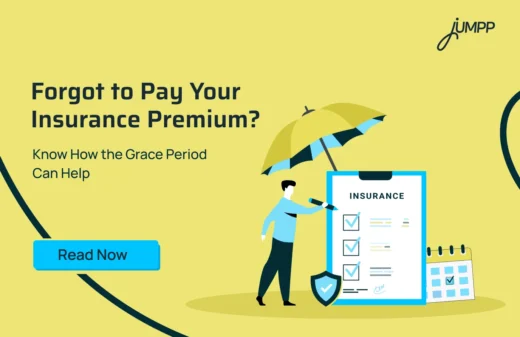
Typical grace periods include:
- 15 days for monthly premium payments
- 30 days for quarterly, half yearly, or yearly payments
Once the grace period expires, the insurer can officially mark the policy as lapsed.
Can a Lapsed Insurance Policy Be Renewed?
Yes. A lapsed policy can usually be revived within a specific revival period, which typically ranges from 2 to 5 years depending on the insurer and policy type.
To reactivate the policy, the policyholder must pay:
- All pending premiums
- Late payment penalties
- Possible interest charges
In some cases, the insurer may also request a medical test or a declaration of good health before approving the revival.
Can You Get Insurance Back After a Lapse?
Yes. There are two ways to regain coverage:
- Policy Revival: Reactivating the same policy by clearing pending dues within the revival period.
- Buying a New Policy: If revival is not possible, the policyholder can purchase a new insurance policy. However, the premium will usually be higher because of age and health changes.
Can a Lapsed Policy Be Surrendered?
A lapsed policy can only be surrendered if it has already acquired a surrender value.
Most life insurance policies gain surrender value only after at least two full years of premium payments. If the policy lapses before reaching this stage, it usually ends without any payout.
Can You Recover a Lapsed Policy?
Yes, policy recovery is possible through policy revival.
Revival process usually involves:
- Paying unpaid premiums
- Paying interest charges
- Submitting revival request forms
- Completing medical tests if required
Once approved, the insurance coverage resumes.
However, if the revival period expires, recovery may not be possible.
How to Avoid Policy Lapses
Avoiding a lapse is much easier than reviving a policy.
Here are practical ways to avoid policy lapses.
- Enable auto debit or ECS payment for premiums
- Set calendar reminders for payment dates
- Maintain updated contact details with the insurer
- Choose premium payment frequency that fits your income cycle
- Review policy documents regularly
Looking for health insurance for your entire family?
Learn how family floater health insurance plans provide coverage for multiple members under one policy.
These steps can help ensure the policy remains active and continues protecting your financial goals.
A lapse in insurance can result in loss of coverage and financial protection. However, many insurers allow policy revival if the policyholder acts within the permitted time.
Policy Lapse in Insurance – FAQs
No. These terms are different. Policy lapse occurs when premiums are not paid during the policy term. The policy can sometimes be revived. Policy expiry happens when the insurance policy completes its full term. Once expired, the policy cannot be restarted.
Usually, premiums paid for a lapsed term insurance policy are not refunded. However, endowment or ULIP policies may provide a surrender value if the policy has remained active for the required minimum period, typically one to two years under current IRDAI guidelines.
Yes. Most insurers in India allow policyholders to revive a lapsed policy within a revival period, which is generally up to five years from the first unpaid premium in life insurance policies.
To reactivate a lapsed policy, the policyholder must submit a revival request, pay all overdue premiums along with applicable late fees or interest, and sometimes provide a declaration of good health or undergo a medical check. Once approved, the policy becomes active again.
No. A policy lapse happens when premiums are not paid on time, and the policy becomes inactive. Cancellation occurs when the policyholder voluntarily terminates the policy, usually during the free look period.
Death or maturity benefits are generally not available after a policy lapse. However, if the policy has acquired a paid-up value or surrender value, the policyholder may still be able to surrender the policy or take a policy loan, depending on the insurer’s terms.