What is Travel Insurance and Why Every Traveller Needs It
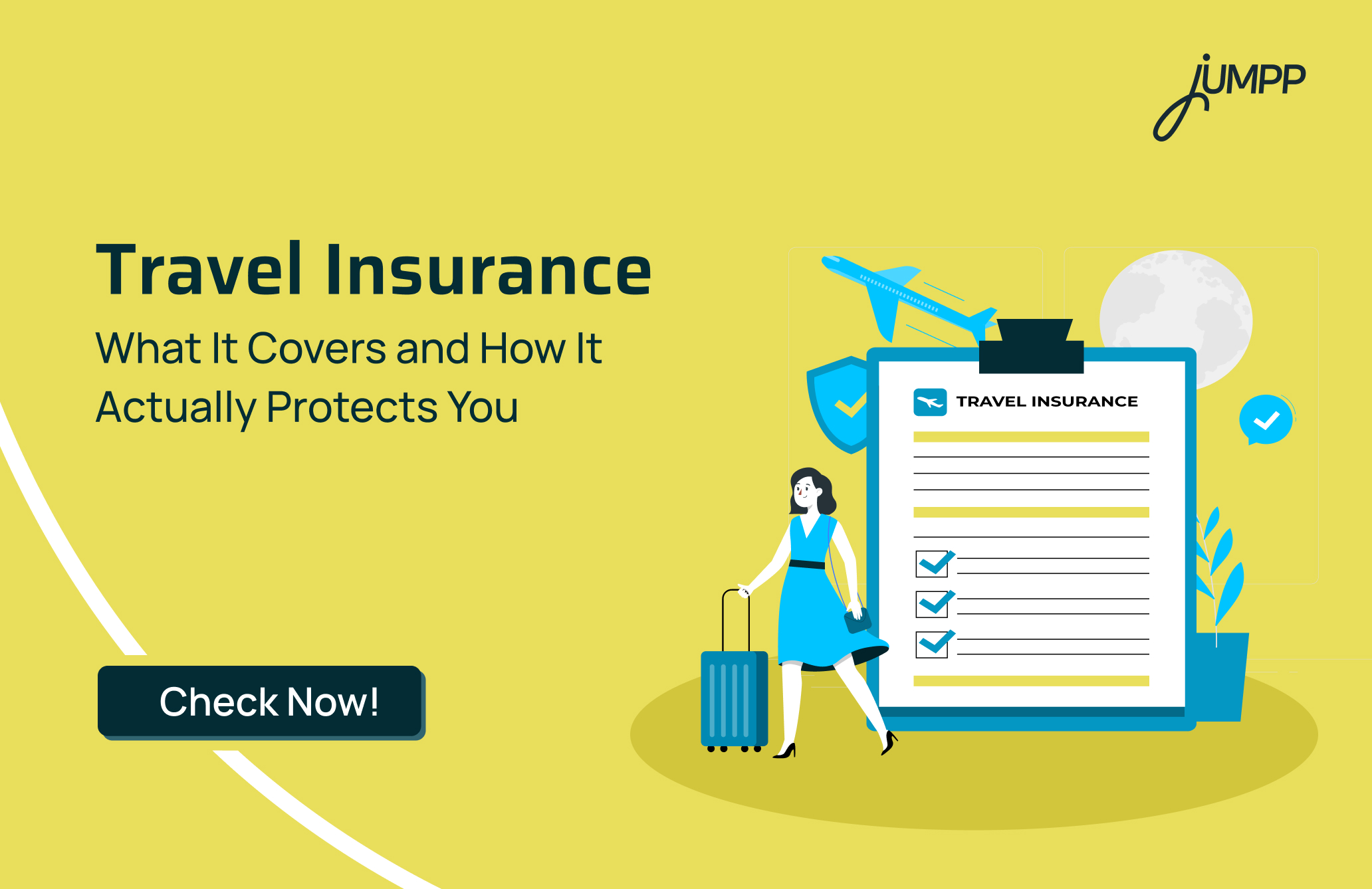
Travel insurance is a structured financial safeguard that protects you from the uncertainty that often accompanies travel. It is designed to step in when situations spiral beyond your control.
Whether it is a medical emergency in a foreign country, an unexpected trip cancellation, a missed connection, or the loss of luggage and important documents, travel insurance ensures that one unplanned incident does not become an unexpected financial burden.
Travel Insurance Meaning
The real purpose of travel insurance is very simple. It gives you a financial safety net and the surety that you will not be left handling large, unexpected expenses on your own. Many countries, particularly those within the Schengen region, have made travel insurance a compulsory requirement for visa applications because it provides a clear layer of protection for the traveller and the destination country.
What Travel Insurance Covers
Travel insurance provides support for a wide range of unexpected events that commonly affect travellers.
Emergency Medical Treatment
Coverage for doctor visits, hospital care, medication, and treatment for sudden illness or injury while travelling.
Trip Cancellation
Reimbursement for non-refundable trip costs if you cannot travel due to a covered reason, such as illness, family emergencies, job loss, or natural disasters affecting your destination.
Baggage Loss or Delay
Compensation if your luggage is lost, stolen, or damaged. If bags are delayed for several hours, the policy covers essential items you need during the waiting period.
Travel Delays and Missed Connections
Coverage for extra accommodation, meals, and transport expenses resulting from flight delays or missed connections due to covered disruptions.
What Travel Insurance Does Not Cover
It is important to understand the limitations of your policy so that you are not surprised during a claim.
Pre-existing Medical Conditions
Medical conditions that existed before purchasing the policy are generally not covered unless a specific waiver is secured.
Cancel For Any Reason (CFAR)
Standard policies do not allow cancellations simply because you change your mind or feel uncomfortable travelling. A CFAR upgrade is required for this level of flexibility.
High-Risk Activities
Adventure sports such as scuba diving, heli-skiing, or high-altitude climbing are usually excluded unless you purchase specialised adventure coverage.
Acts of War or Civil Unrest
Travelling to regions experiencing political unrest or active conflict is not covered under standard policies.
Intentional Acts and Substance Abuse
Claims arising from self-inflicted harm, criminal activity or incidents occurring under the influence of drugs or alcohol are usually denied.
Want to understand the difference between insurance and assurance and how both protect you financially?
What are the Types of travel insurance?
Types of travel insurance are usually classified by how often you travel, where you are travelling, and the kind of traveller you are.
Each category has its own purpose, and choosing the right one ensures that you are properly protected throughout your journey.
| Category | Type of Travel Insurance | Purpose and Meaning |
| Based on Trip Frequency | Single Trip Travel Insurance | Covers one specific journey from departure to return, suitable for occasional travel or one major holiday. |
| Multi Trip Travel Insurance (Annual) | One policy covers multiple trips in a year, ideal for frequent travellers, with duration limits per trip. | |
| Based on Destination | Domestic Travel Insurance | Protection for travel within India, covering medical emergencies and trip disruptions. |
| International Travel Insurance | Comprehensive cover for overseas travel is required for visas in regions like Schengen. | |
| Based on the Traveller Profile | Family Travel Insurance | Covers the whole family under a single plan and is more economical than buying separate policies. |
| Student Travel Insurance | Long-duration cover for students studying abroad, including study interruption and sponsor protection. | |
| Senior Citizen Travel Insurance | Tailored for older travellers with higher medical limits and extended coverage. | |
| Group Travel Insurance | Designed for corporate groups or tour groups, offering one policy for all members and cost benefits. |
Do You Actually Need Travel Insurance
Travel insurance is essential because unexpected events can disrupt even the most carefully planned journeys.
- Your regular health insurance typically offers little to no protection outside your home country, which means you may face very high medical costs if an illness or injury occurs abroad.
- A short hospital stay or emergency treatment in another country can cost more than the entire trip. Travel insurance can save you from that!
- Travel insurance also protects the financial investment you make before travelling. Flights, hotels and tour bookings are often non-refundable.
- If severe weather, airline strikes, family medical emergencies or other covered situations force you to cancel or cut short your trip, a comprehensive policy ensures these expenses are reimbursed. This combination of financial safety and peace of mind is the primary reason travellers rely on travel insurance.
What are the Key Benefits of travel insurance?
Travel insurance offers financial protection against a range of unexpected events during a journey.
These benefits usually fall under three broad categories: medical emergencies, trip disruptions and the loss or delay of baggage and personal items.
1. Emergency Medical Expenses
This covers hospital stays, doctor consultations, surgery, ambulance services, and emergency dental treatment received abroad. Medical care in many foreign countries can be extremely expensive, making this one of the most critical benefits of a travel insurance plan.
2. Emergency Medical Evacuation
If you require urgent transportation to the nearest appropriate medical facility, or in difficult situations, repatriation to your home country, this benefit ensures that the high cost of evacuation is taken care of.
3. Trip Cancellation or Interruption
Reimbursement is provided for prepaid and non-refundable costs such as flights, accommodation, and tour bookings when a trip is cancelled or cut short for covered reasons. These may include sudden illness, injury, natural disasters, or the death of an immediate family member.
4. Flight or Trip Delays
If your flight or overall journey is delayed beyond the policy’s specified time limit due to reasons such as severe weather or airline issues, travel insurance compensates for additional expenses, including meals, hotel stays and alternative travel arrangements.
5. Lost or Delayed Baggage
This covers the loss, theft or damage of checked-in baggage and personal belongings. If your luggage is delayed for a specified number of hours, you may also receive an allowance to purchase essential items until your bags arrive.
6. Loss of Passport or Travel Documents
This benefit covers the expenses associated with obtaining a new or duplicate passport and replacing essential travel documents while abroad, helping you manage a stressful situation with minimal hassle.
7. Personal Liability
If you accidentally cause injury to another person or damage their property, this benefit protects you from the financial consequences by covering legal liabilities.
8. Accidental Death and Disability
In the unfortunate event of accidental death or permanent disability during the insured journey, the policy provides a lump sum payout to your family or legal representative.
Looking for long-term financial security beyond travel insurance? Discover how the Postal Life Insurance Scheme offers guaranteed returns and affordable life cover.
9. Repatriation of Mortal Remains
This covers the cost of transporting the insured person’s remains back to their home country or arranging for a local burial or cremation, providing essential support during a difficult time.
How Much Travel Insurance Do We Need
The amount of travel insurance you require should reflect the nature of your journey and your personal comfort with risk.
- Ensure the full value of all prepaid and non-refundable bookings, such as flights and hotels.
- Ensure emergency evacuation coverage of at least eighty lakh rupees because air ambulance services are expensive.
- Pick deductibles and limits that match your budget, destination and planned activities.
How to Buy Travel Insurance
Purchasing travel insurance is a simple, direct process that can be completed online.
Gather Trip Information
Prepare details such as travel dates, destination, total non-refundable costs, and the ages of all travellers.
Compare Plans
Use insurer websites or comparison platforms to review multiple quotes. This helps you assess coverage levels, exclusions and pricing in one place.
Read the Policy Document
Always review the official policy wording carefully to understand covered reasons, exclusions and the procedure for filing claims.
Buy Early
Purchase your policy immediately after booking your trip. Early purchase is often required to access benefits such as waivers for pre-existing medical conditions.
Keep Your Documents Safe
After completing the purchase, store your policy number, emergency contact details, and confirmation records both digitally and physically for easy access during your trip.
Travel Insurance Meaning – FAQs
Travel insurance is a structured financial plan that protects you from unexpected situations that may arise during a journey. It serves as a safety net for expenses that come from medical emergencies, trip cancellations or the loss of luggage and important belongings.
A typical policy covers emergency medical care, trip cancellations or interruptions, lost or delayed baggage and costs linked to extended travel delays. The exact coverage depends on the policy you choose and the insurer’s terms.
Travel insurance reimburses you for unexpected costs that occur due to covered events while you are travelling. It protects you from major financial loss by covering situations that your regular health or home insurance may not support during a trip.
Travel insurance is commonly divided by trip frequency, which includes single-trip and multi-trip or annual plans, and by destination, which includes domestic and international cover.
The best policy is a comprehensive plan that matches your destination, the nature of your journey and your personal health requirements. A suitable plan should provide strong medical coverage, adequate protection for trip expenses and minimal exclusions.
The cost usually ranges between four percent and ten percent of your total non-refundable trip expenses. The final price depends on the duration of the trip, the cost of prepaid bookings, the traveller’s age and the extent of coverage selected.